THE ADVENTURE COLLECTIVE® · Independent discovery and booking for outdoor travel

Drive across Mongolia’s changing skin from Ulaanbaatar to Elsen Tasarkhai and Khustai, where sand dunes, nomadic hospitality, and wild horses await. This 2–3 day loop blends short hikes, a camel ride, and cultural stops with long scenic drives.
Drive across Mongolia’s changing skin from Ulaanbaatar to Elsen Tasarkhai and Khustai, where sand dunes, nomadic hospitality, and wild horses await. This 2–3 day loop blends short hikes, a camel ride, and cultural stops with long scenic drives.
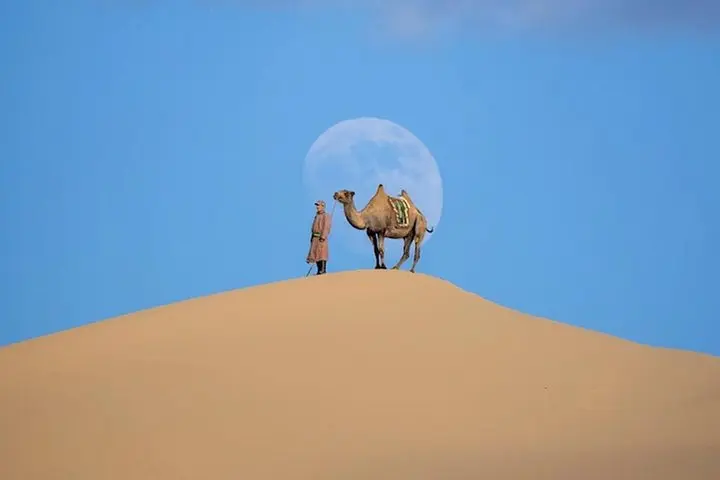
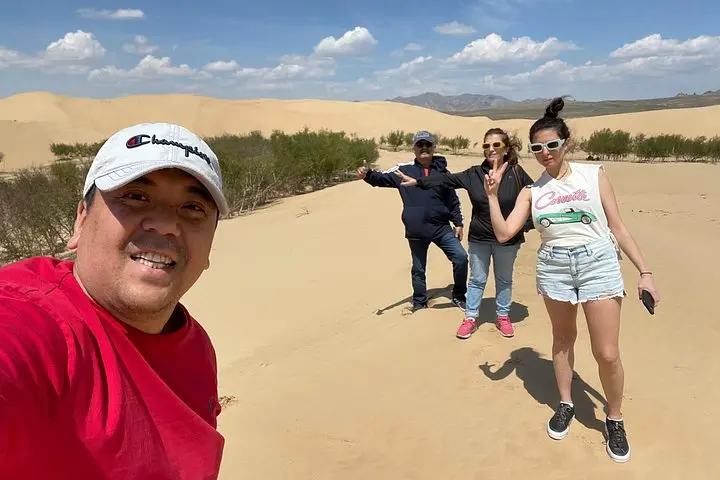
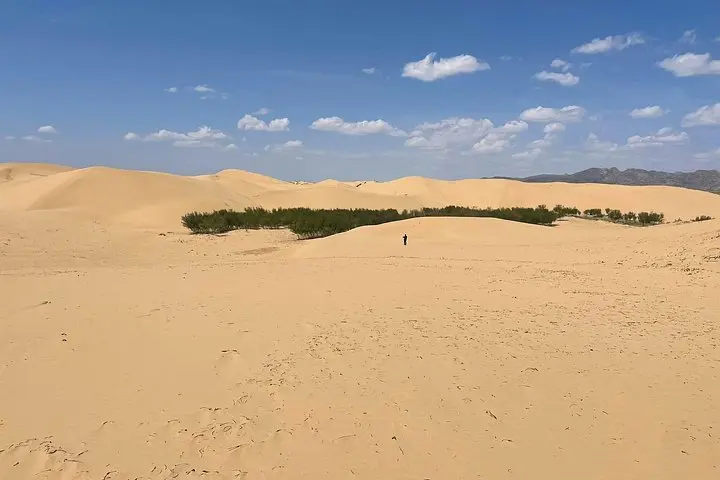
You step out of the van into a wide breath of wind; the steppe around Elsen Tasarkhai pushes at your jacket and the dune ridges stand like low, wind-scoured waves. Morning light polishes the grassland, and in the distance the low silhouette of Khustai’s rolling hills hides small herds of takhi, Mongolia’s wild horses, moving like dark punctuation on the plain.
Verified experiences and guided adventures in the surrounding area.
Operated by Nomadic Hospitality Mongolia · Kharkhorin, Övörkhangai Province
You step out of the van into a wide breath of wind; the steppe around Elsen Tasarkhai pushes at your jacket and the dune ridges stand like low, wind-scoured waves. Morning light polishes the grassland, and in the distance the low silhouette of Khustai’s rolling hills hides small herds of takhi, Mongolia’s wild horses, moving like dark punctuation on the plain.
This route threads three distinct landscapes: the semi-desert dunes and sparse saxaul of the Semi-Gobi, the shortgrass steppe and hulled river valleys surrounding Khustai, and the archaeological quiet of Kharakorum, the 13th-century capital. Geologically the area is young—wind-carved sand and fluvial terraces—while culturally it remains a living nomadic landscape where gers, herd logic, and centuries-old Buddhist ruins sit side by side.
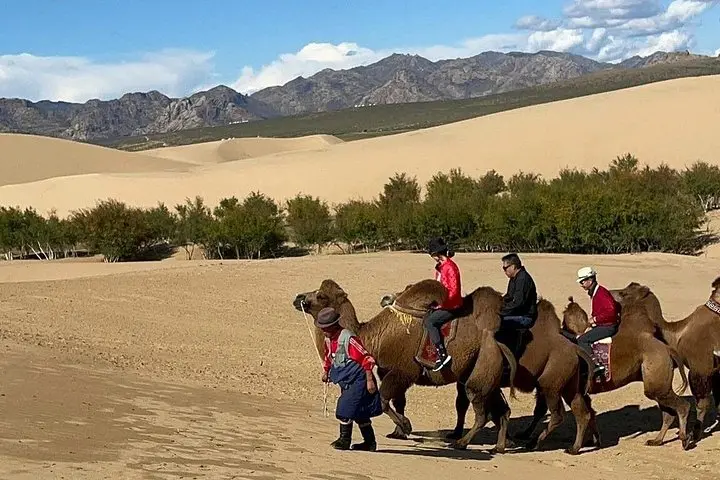
Expect long driving segments (roughly 3–3.5 hours each way from Ulaanbaatar), an afternoon with a nomadic family, a camel ride on Elsen Tasarkhai, short hikes around Khustai’s camp, and a night in a tourist ger followed by a stay at a small hotel in Kharakorum. Wildlife encounters focus on takhi and steppe birds; bring binoculars and patience. Hydration, sun protection, and layered clothing are practical necessities—sun here is sharp and temperature shifts are sudden.
Timing your travel for golden-hour dune walks and dawn wildlife sightings yields the best photos and fewer vehicles. Guides on this route combine safe driving over unpaved roads with local knowledge; be prepared for simple comforts and a close view of Mongolia’s living landscapes.
Expect roughly 3–3.5 hours each way between Ulaanbaatar and Semi-Gobi sites, with additional road time to Khustai and Kharakorum.
Yes—one night is in a tourist ger camp near Khustai and the second in a small hotel in Kharakorum; comfort is simple but clean.
Guides can cater vegetarian meals and will try to accommodate meat preferences if requested in advance.
Sightings of takhi are common but not guaranteed; dawn and dusk increase chances and guides know best local viewing areas.
Nomadic Hospitality Mongolia operates guided outdoor trips and adventures with an emphasis on safety, stewardship, and memorable experiences.
You step out of the van into a wide breath of wind; the steppe around Elsen Tasarkhai pushes at your jacket and the dune ridges stand like low, wind-scoured waves. Morning light polishes the grassland, and in the distance the low silhouette of Khustai’s rolling hills hides small herds of takhi, Mongolia’s wild horses, moving like dark punctuation on the plain.
You step out of the van into a wide breath of wind; the steppe around Elsen Tasarkhai pushes at your jacket and the dune ridges stand like low, wind-scoured waves. Morning light polishes the grassland, and in the distance the low silhouette of Khustai’s rolling hills hides small herds of takhi, Mongolia’s wild horses, moving like dark punctuation on the plain.
This route threads three distinct landscapes: the semi-desert dunes and sparse saxaul of the Semi-Gobi, the shortgrass steppe and hulled river valleys surrounding Khustai, and the archaeological quiet of Kharakorum, the 13th-century capital. Geologically the area is young—wind-carved sand and fluvial terraces—while culturally it remains a living nomadic landscape where gers, herd logic, and centuries-old Buddhist ruins sit side by side.
Expect long driving segments (roughly 3–3.5 hours each way from Ulaanbaatar), an afternoon with a nomadic family, a camel ride on Elsen Tasarkhai, short hikes around Khustai’s camp, and a night in a tourist ger followed by a stay at a small hotel in Kharakorum. Wildlife encounters focus on takhi and steppe birds; bring binoculars and patience. Hydration, sun protection, and layered clothing are practical necessities—sun here is sharp and temperature shifts are sudden.
Timing your travel for golden-hour dune walks and dawn wildlife sightings yields the best photos and fewer vehicles. Guides on this route combine safe driving over unpaved roads with local knowledge; be prepared for simple comforts and a close view of Mongolia’s living landscapes.