THE ADVENTURE COLLECTIVE® · Independent discovery and booking for outdoor travel

Drive out of Ulaanbaatar to the Elsen Tasarkhai semi-desert for sand dunes, a short camel or horseback ride, lunch in the steppe and a visit with a nomad family. This one-day tour mixes easy hiking, wildlife spotting and cultural exchange within a 7–9 hour round trip.
Drive out of Ulaanbaatar to the Elsen Tasarkhai semi-desert for sand dunes, a short camel or horseback ride, lunch in the steppe and a visit with a nomad family. This one-day tour mixes easy hiking, wildlife spotting and cultural exchange within a 7–9 hour round trip.
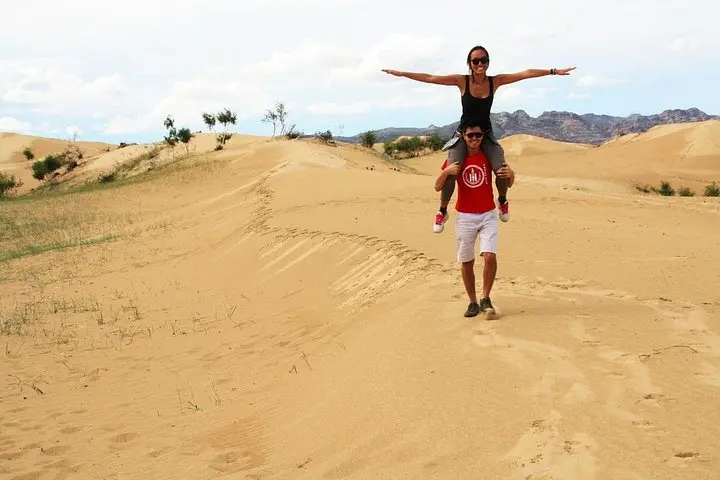
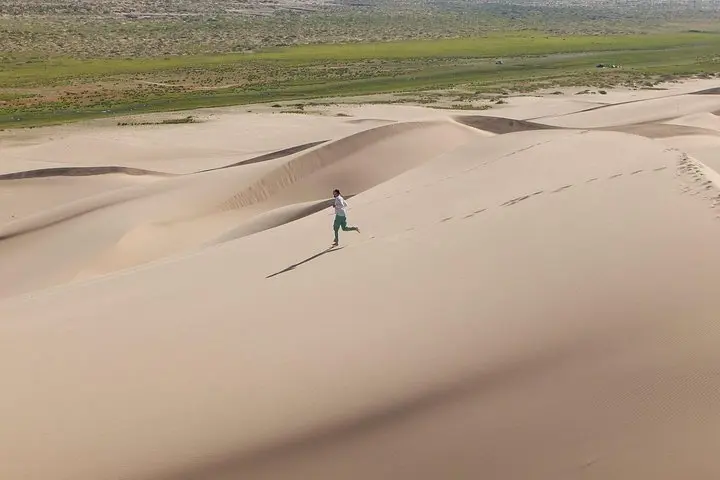
Dawn in Ulaanbaatar, tires murmuring on the highway, and the city thins into open steppe. The road slides past herds and scrub, then the landscape changes — low ridges give way to the soft, ribbed slopes of Elsen Tasarkhai, a pocket of sand where wind sculpts dunes in the shadow of distant mountains.
Verified experiences and guided adventures in the surrounding area.
Operated by Amazing Mongolia · Ulaanbaatar, Ulaanbaatar
Dawn in Ulaanbaatar, tires murmuring on the highway, and the city thins into open steppe. The road slides past herds and scrub, then the landscape changes — low ridges give way to the soft, ribbed slopes of Elsen Tasarkhai, a pocket of sand where wind sculpts dunes in the shadow of distant mountains.
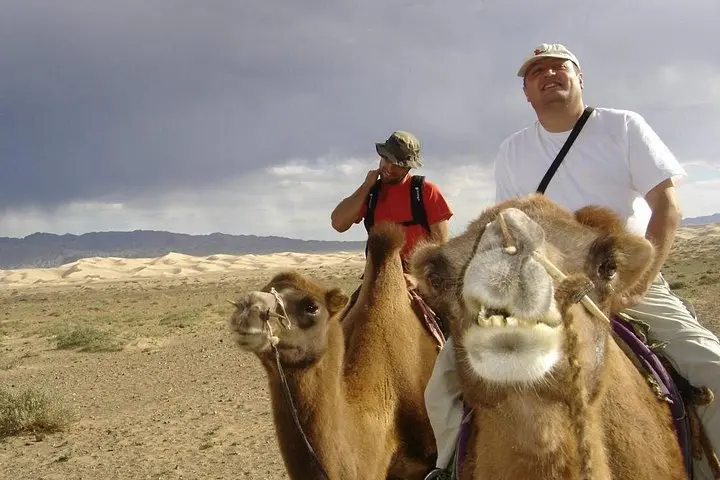
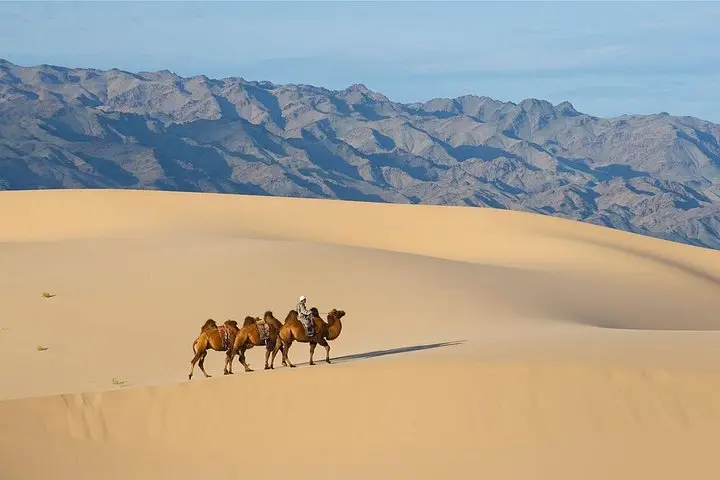
Elsen Tasarkhai is a semi-desert landscape on the southern edge of the capital’s province, a place shaped by wind, seasonal rivers and the slow uplift of Mongolian ranges. The dunes are modest compared with the Gobi proper, but here you’ll find the region’s wildlife: small deer, migratory birds and the hardy Bactrian camel, long part of steppe life. The nomadic families who live nearby continue centuries-old practices—seasonal herding, felt-making and simple hospitality—that give insight into Mongolia’s living cultural landscape.
On a one-day tour expect a 7–9 hour round-trip from Ulaanbaatar with a mix of driving, a short camel or horseback ride across smaller dunes, a picnic-style lunch, light hiking and a family visit. Practicalities matter: sun and wind are the main elements—bring layers, sun protection and closed shoes for sand and rocky approaches. Cameras reward early light and late-afternoon shadow; respect private family spaces and ask before photographing people and dwellings.
This is an achievable intro to Mongolia’s drylands: sensory, accessible and rooted in real day-to-day life. Time your visit for calm winds if you want clearer photos, or a brisk, wind-filled afternoon if you crave the raw feel of the steppe.
Typical round-trip drive time is about 3–4 hours each way depending on traffic, with the full tour lasting 7–9 hours.
Rides are short and suitable for most people; operators provide basic safety guidance—children and those with mobility concerns should check in advance.
Yes; a picnic-style or simple cooked lunch is provided featuring local ingredients, often meat, rice or noodle dishes and tea.
Facilities are basic outside the city; tours usually include a stop at a site with simple toilets or portable options and breaks at family camps.
Amazing Mongolia operates guided outdoor trips and adventures with an emphasis on safety, stewardship, and memorable experiences.
Dawn in Ulaanbaatar, tires murmuring on the highway, and the city thins into open steppe. The road slides past herds and scrub, then the landscape changes — low ridges give way to the soft, ribbed slopes of Elsen Tasarkhai, a pocket of sand where wind sculpts dunes in the shadow of distant mountains.
Dawn in Ulaanbaatar, tires murmuring on the highway, and the city thins into open steppe. The road slides past herds and scrub, then the landscape changes — low ridges give way to the soft, ribbed slopes of Elsen Tasarkhai, a pocket of sand where wind sculpts dunes in the shadow of distant mountains.
Elsen Tasarkhai is a semi-desert landscape on the southern edge of the capital’s province, a place shaped by wind, seasonal rivers and the slow uplift of Mongolian ranges. The dunes are modest compared with the Gobi proper, but here you’ll find the region’s wildlife: small deer, migratory birds and the hardy Bactrian camel, long part of steppe life. The nomadic families who live nearby continue centuries-old practices—seasonal herding, felt-making and simple hospitality—that give insight into Mongolia’s living cultural landscape.
On a one-day tour expect a 7–9 hour round-trip from Ulaanbaatar with a mix of driving, a short camel or horseback ride across smaller dunes, a picnic-style lunch, light hiking and a family visit. Practicalities matter: sun and wind are the main elements—bring layers, sun protection and closed shoes for sand and rocky approaches. Cameras reward early light and late-afternoon shadow; respect private family spaces and ask before photographing people and dwellings.
This is an achievable intro to Mongolia’s drylands: sensory, accessible and rooted in real day-to-day life. Time your visit for calm winds if you want clearer photos, or a brisk, wind-filled afternoon if you crave the raw feel of the steppe.