THE ADVENTURE COLLECTIVE® · Independent discovery and booking for outdoor travel

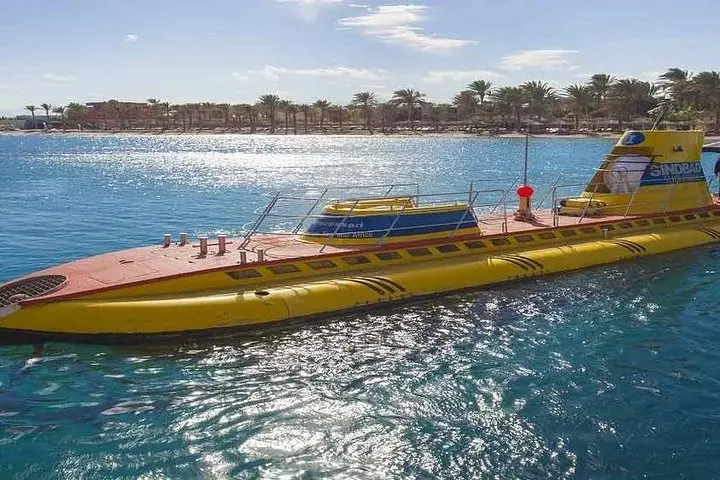
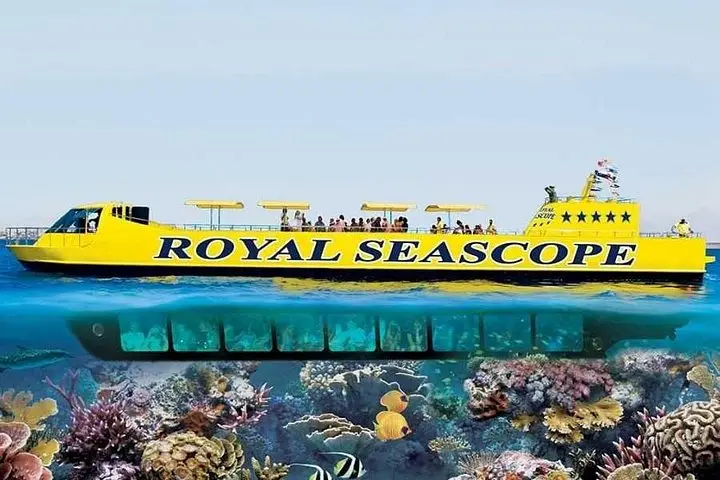
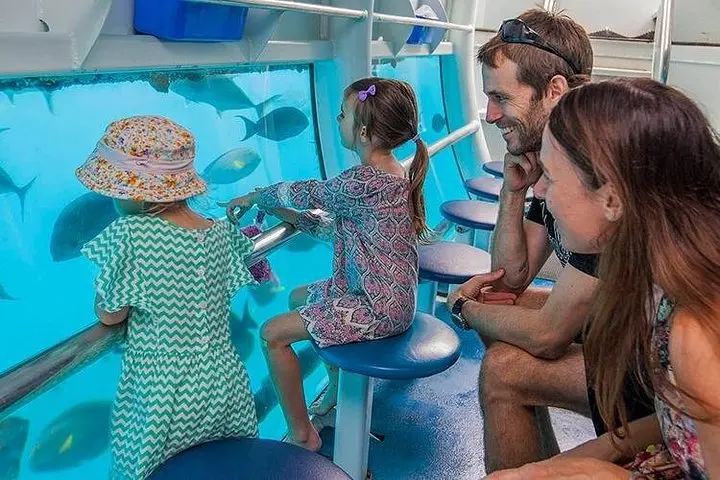
See the Red Sea’s reefs without getting wet: a semi‑submarine cruise offers up-close views of coral bommies, tropical fish, and occasional rays through large viewing windows. Ideal for families and mobility‑friendly travelers seeking a marine encounter with expert commentary.
See the Red Sea’s reefs without getting wet: a semi‑submarine cruise offers up-close views of coral bommies, tropical fish, and occasional rays through large viewing windows. Ideal for families and mobility‑friendly travelers seeking a marine encounter with expert commentary.
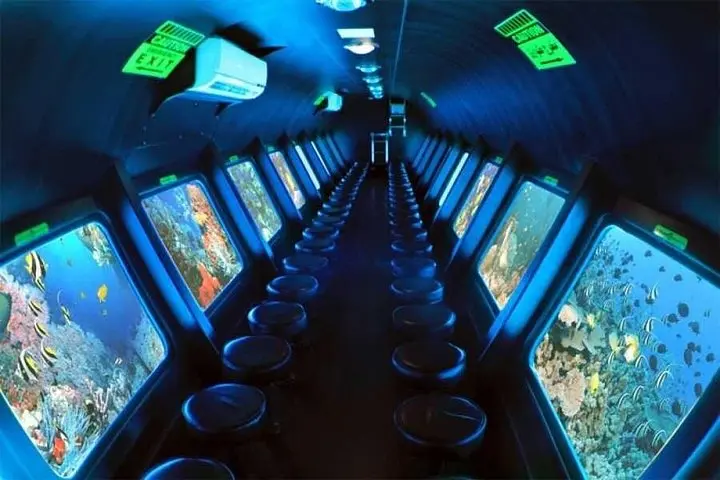
The hull settles and the Red Sea leans into the glass—colors glow below as the semi‑submarine drifts over coral gardens. Through panoramic windows, schools of parrotfish and butterflyfish weave like living brushstrokes while a curious ray glides past, as if inspecting the vessel as much as you inspect it.
Verified experiences and guided adventures in the surrounding area.
Operated by Hurghada Transfer · Hurghada, Red Sea Governorate
The hull settles and the Red Sea leans into the glass—colors glow below as the semi‑submarine drifts over coral gardens. Through panoramic windows, schools of parrotfish and butterflyfish weave like living brushstrokes while a curious ray glides past, as if inspecting the vessel as much as you inspect it.
Hurghada’s shoreline has long been a crossroads: Bedouin coastal routes, Ottoman and later European influences, and a modern tourism boom built around the reef systems that formed on the Red Sea’s warm shelf after the last ice age. The reefs here are volcanic and carbonate structures, sculpted by currents and colonized by coral over millennia. Local guides often point out differences between shallow fringing reefs and the deeper coral bommies that host the brightest displays.
This tour is engineered for accessibility — no wet suits, no gear, just clear sightlines and expert commentary that ties species to ecosystem health. Expect 180 minutes from pick‑up to drop‑off, with roughly 45–60 minutes of underwater viewing depending on tide and route.
Practical guidance: wear sun protection and comfortable shoes for boarding, bring a camera with a glare‑reducing lens or polarizer, and hydrate before you board—the cabin can be warm in midday sun. Families and those with limited mobility will find this a straightforward way to see reef life without snorkeling. Timing matters: early morning trips often deliver calmer seas and brighter fish activity. Keep movement slow inside the cabin to avoid blocking windows for others, and listen to the guide’s notes on reef conservation; these reefs respond to attentive stewardship.
No—this is a dry experience with viewing windows; swimming ability is not required.
Yes; infants must sit on an adult’s lap and the vessel is family‑friendly.
Wildlife is not guaranteed but sightings of turtles, rays, and diverse reef fish are common when conditions are good.
The semi‑submarine is more accessible than many boats, but accessibility varies by pier and vessel—advise the operator of mobility needs when booking.
Hurghada Transfer operates guided outdoor trips and adventures with an emphasis on safety, stewardship, and memorable experiences.
The hull settles and the Red Sea leans into the glass—colors glow below as the semi‑submarine drifts over coral gardens. Through panoramic windows, schools of parrotfish and butterflyfish weave like living brushstrokes while a curious ray glides past, as if inspecting the vessel as much as you inspect it.
The hull settles and the Red Sea leans into the glass—colors glow below as the semi‑submarine drifts over coral gardens. Through panoramic windows, schools of parrotfish and butterflyfish weave like living brushstrokes while a curious ray glides past, as if inspecting the vessel as much as you inspect it.
Hurghada’s shoreline has long been a crossroads: Bedouin coastal routes, Ottoman and later European influences, and a modern tourism boom built around the reef systems that formed on the Red Sea’s warm shelf after the last ice age. The reefs here are volcanic and carbonate structures, sculpted by currents and colonized by coral over millennia. Local guides often point out differences between shallow fringing reefs and the deeper coral bommies that host the brightest displays.
This tour is engineered for accessibility — no wet suits, no gear, just clear sightlines and expert commentary that ties species to ecosystem health. Expect 180 minutes from pick‑up to drop‑off, with roughly 45–60 minutes of underwater viewing depending on tide and route.
Practical guidance: wear sun protection and comfortable shoes for boarding, bring a camera with a glare‑reducing lens or polarizer, and hydrate before you board—the cabin can be warm in midday sun. Families and those with limited mobility will find this a straightforward way to see reef life without snorkeling. Timing matters: early morning trips often deliver calmer seas and brighter fish activity. Keep movement slow inside the cabin to avoid blocking windows for others, and listen to the guide’s notes on reef conservation; these reefs respond to attentive stewardship.