THE ADVENTURE COLLECTIVE® · Independent discovery and booking for outdoor travel

Taste Bali in three hours: wander a busy Seminyak market, sample street snacks, dine at a local warung and finish with rich kopi. This small-group tour pairs cultural context with hands-on flavor.
Taste Bali in three hours: wander a busy Seminyak market, sample street snacks, dine at a local warung and finish with rich kopi. This small-group tour pairs cultural context with hands-on flavor.
Late-afternoon light pools on wet pavement as you step into a Seminyak market; vendors lift bunches of bright greens and roots, chilies steam in the air, and the guide calls out names of fruits you haven’t tasted yet.
Verified experiences and guided adventures in the surrounding area.
Operated by Food Tour Bali · Seminyak, Bali
Late-afternoon light pools on wet pavement as you step into a Seminyak market; vendors lift bunches of bright greens and roots, chilies steam in the air, and the guide calls out names of fruits you haven’t tasted yet.
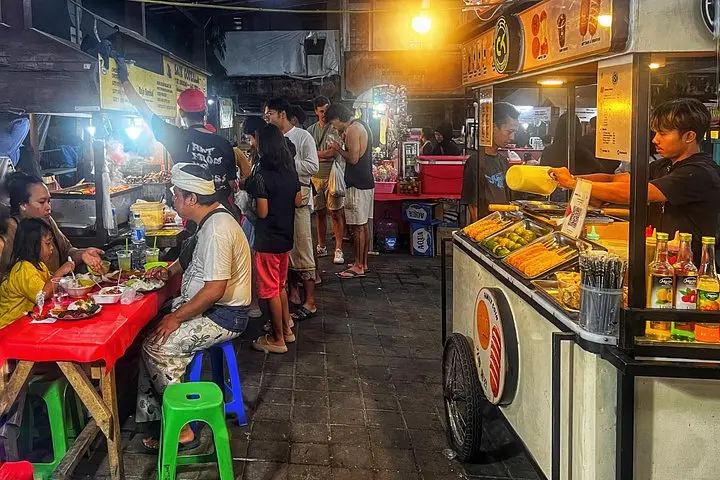
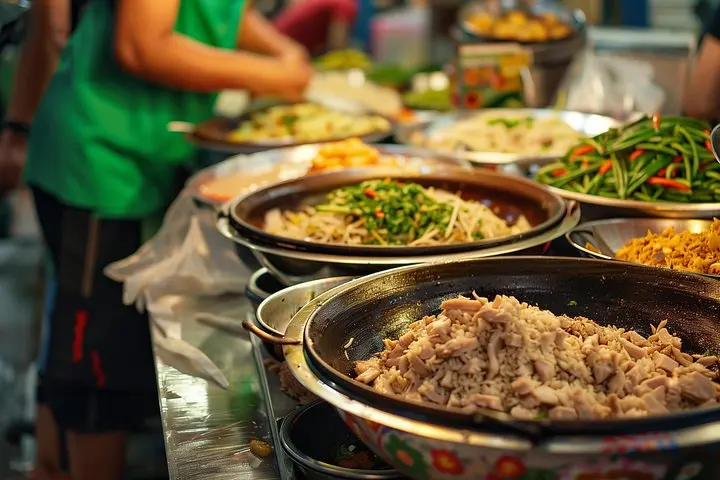
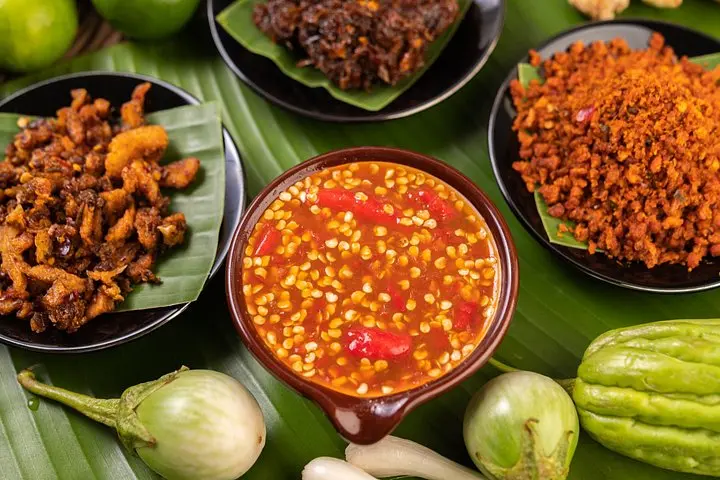
This three‑hour walking tour moves from market aisles to street stalls and a family-run warung, tracing Balinese foodways shaped by volcanic soils, rice terraces, and centuries of trade with Java, China and the wider Indonesian archipelago. You’ll learn why offerings of flowers and rice appear beside cooking fires, how spice blends (bumbu) build Indonesian savory depth, and where seasonal snacks fit into temple festivals.
Geology and culture meet on the plate: Bali’s andesitic soils feed sweet cassava and copious tropical fruit, while coastal trade introduced coffee techniques that evolved into kopi Bali. Along the way expect conversations about daily rituals, local ingredients, and the practicalities of running a warung—small kitchens where recipes pass down through family lines rather than menus.
Practical guidance: arrive at 16:00, wear closed-toe shoes for uneven market floors, carry small bills for purchases, and flag allergies in advance. The tour includes multiple tasting stops (street snacks, a warung dinner, Balinese dessert, and kopi), and moves at an easy pace with short standing periods. Bring a reusable water bottle and mosquito repellent—markets trap humidity in the evening—and plan for a small-group experience (max 10). This is a sensory, social snapshot of Bali’s culinary life that’s ideal for curious eaters who want context with every bite.
Yes — the pace is gentle and family-friendly, but infants must sit on laps and the operator requires a minimum of two people per booking.
Yes — indicate allergies or preferences when booking and the guide will avoid or substitute tastings where possible, though full accommodation may be limited for complex medical diets.
Local English-speaking guides lead the tour; public transport is available nearby but private transport to the meeting point is the guest’s responsibility unless otherwise arranged.
Expect short walks between market stalls and stops, with intermittent standing during tastings and at the warung; the overall physical demand is low.
Food Tour Bali operates guided outdoor trips and adventures with an emphasis on safety, stewardship, and memorable experiences.
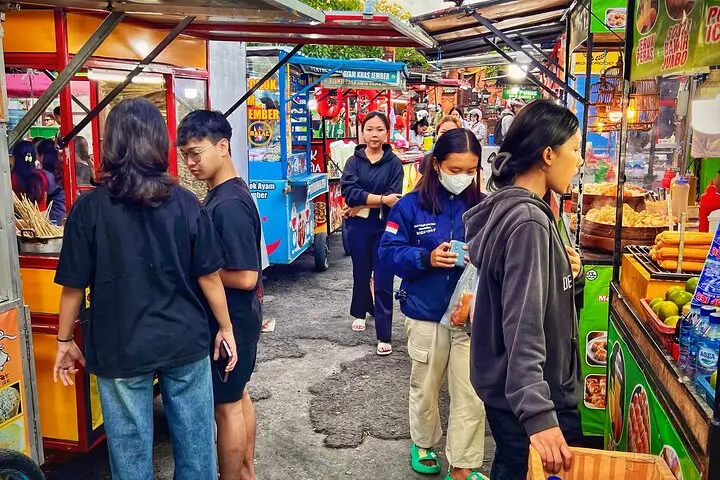
Late-afternoon light pools on wet pavement as you step into a Seminyak market; vendors lift bunches of bright greens and roots, chilies steam in the air, and the guide calls out names of fruits you haven’t tasted yet.
Late-afternoon light pools on wet pavement as you step into a Seminyak market; vendors lift bunches of bright greens and roots, chilies steam in the air, and the guide calls out names of fruits you haven’t tasted yet.
This three‑hour walking tour moves from market aisles to street stalls and a family-run warung, tracing Balinese foodways shaped by volcanic soils, rice terraces, and centuries of trade with Java, China and the wider Indonesian archipelago. You’ll learn why offerings of flowers and rice appear beside cooking fires, how spice blends (bumbu) build Indonesian savory depth, and where seasonal snacks fit into temple festivals.
Geology and culture meet on the plate: Bali’s andesitic soils feed sweet cassava and copious tropical fruit, while coastal trade introduced coffee techniques that evolved into kopi Bali. Along the way expect conversations about daily rituals, local ingredients, and the practicalities of running a warung—small kitchens where recipes pass down through family lines rather than menus.
Practical guidance: arrive at 16:00, wear closed-toe shoes for uneven market floors, carry small bills for purchases, and flag allergies in advance. The tour includes multiple tasting stops (street snacks, a warung dinner, Balinese dessert, and kopi), and moves at an easy pace with short standing periods. Bring a reusable water bottle and mosquito repellent—markets trap humidity in the evening—and plan for a small-group experience (max 10). This is a sensory, social snapshot of Bali’s culinary life that’s ideal for curious eaters who want context with every bite.