THE ADVENTURE COLLECTIVE® · Independent discovery and booking for outdoor travel

Explore Senjogahara’s highland wetlands and boardwalks on a guided 2–3 hour tour in Oku‑Nikko. Learn local ecology, geology, and seasonal highlights while walking mostly flat terrain suited to beginner hikers.
Explore Senjogahara’s highland wetlands and boardwalks on a guided 2–3 hour tour in Oku‑Nikko. Learn local ecology, geology, and seasonal highlights while walking mostly flat terrain suited to beginner hikers.
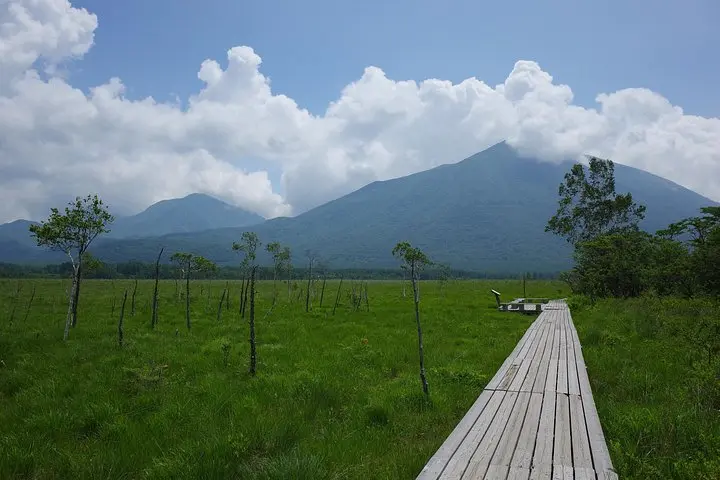
You step off the bus into a highland plain where wind and peat have shaped a wide, open wetland — Senjogahara’s grasses lift and bend like a living compass, guiding the trail forward.
Verified experiences and guided adventures in the surrounding area.
Operated by 奥日光ゲストハウスJUN · Nikko, Tochigi Prefecture
You step off the bus into a highland plain where wind and peat have shaped a wide, open wetland — Senjogahara’s grasses lift and bend like a living compass, guiding the trail forward.
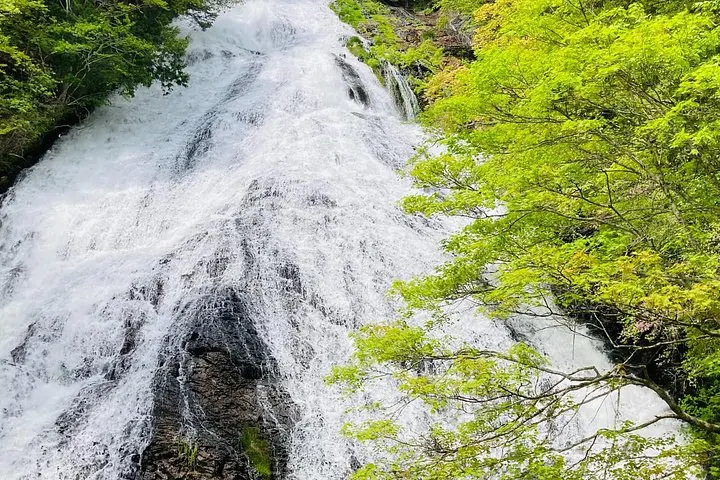
This guided, mostly-flat route threads boardwalks and soft trails across wetlands, through pockets of conifer and beech, and along streams that rush down from surrounding ridges. In roughly two to three hours you’ll cover about 3–4 km of varied terrain at an elevation near 1,400 m, with views toward the volcanic ridges of Oku‑Nikko and the distant Lake Chūzenji basin.
Senjogahara sits in Nikko National Park, created in 1934 to protect these highland ecosystems and the cultural sites below. The marsh formed after glacial and volcanic activity shaped shallow basins, then peat accumulated over millennia. Local guides weave natural history with cultural notes — why inns grew up around nearby onsens, and how seasonal plant communities shift here.
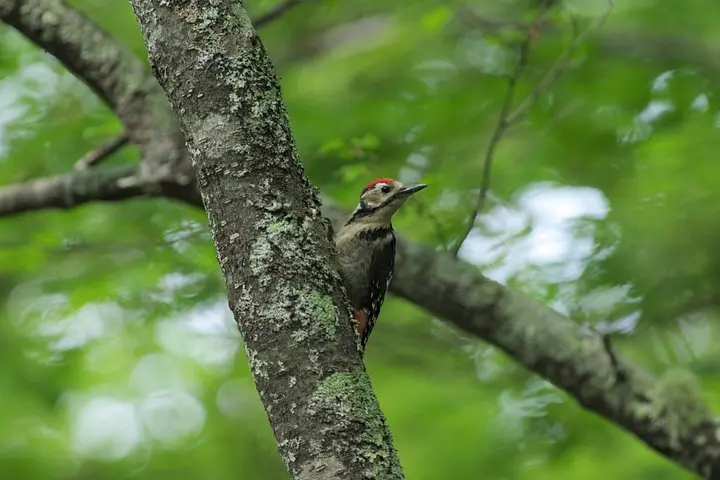
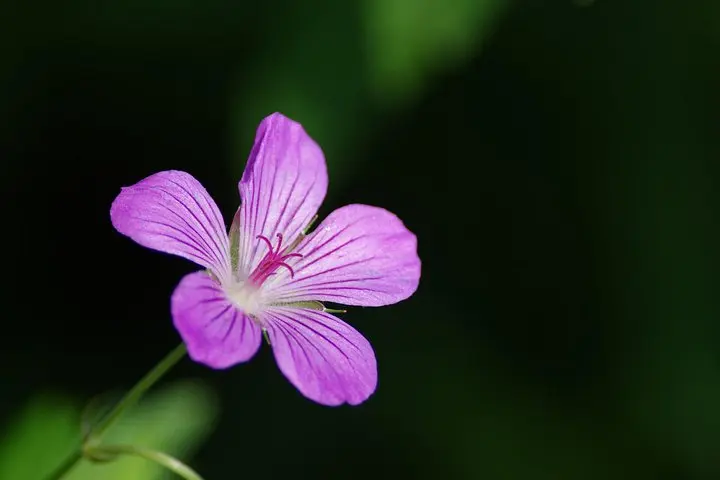
Practicalities are simple: the trail is mostly flat but exposed to sudden weather, so layers and waterproofs matter. Boardwalks protect fragile bogs, so stay on the path and keep noise low to increase chances of seeing sika deer or small passerines. Bring water, sturdy shoes with some tread, and allow time for photography; golden sedges and dwarf shrubs make for dramatic close-ups in cool light.
This is an excellent entry hike to Oku‑Nikko: low technical demand, high payoff in geology, habitat variety, and quiet mountain air.
The tour runs about 2–3 hours and typically covers roughly 3–4 km across boardwalks and trails.
Yes—the trail is mostly flat and the guide adjusts pace for groups, but participants should have moderate mobility and basic fitness.
Late spring through autumn offers the most comfortable hiking conditions; summer brings green wetlands and fall provides vivid grasses and cooler air.
Facilities are limited; public restrooms are available near main trailheads and visitor areas before you enter the marsh.
奥日光ゲストハウスJUN operates guided outdoor trips and adventures with an emphasis on safety, stewardship, and memorable experiences.
You step off the bus into a highland plain where wind and peat have shaped a wide, open wetland — Senjogahara’s grasses lift and bend like a living compass, guiding the trail forward.
You step off the bus into a highland plain where wind and peat have shaped a wide, open wetland — Senjogahara’s grasses lift and bend like a living compass, guiding the trail forward.
This guided, mostly-flat route threads boardwalks and soft trails across wetlands, through pockets of conifer and beech, and along streams that rush down from surrounding ridges. In roughly two to three hours you’ll cover about 3–4 km of varied terrain at an elevation near 1,400 m, with views toward the volcanic ridges of Oku‑Nikko and the distant Lake Chūzenji basin.
Senjogahara sits in Nikko National Park, created in 1934 to protect these highland ecosystems and the cultural sites below. The marsh formed after glacial and volcanic activity shaped shallow basins, then peat accumulated over millennia. Local guides weave natural history with cultural notes — why inns grew up around nearby onsens, and how seasonal plant communities shift here.
Practicalities are simple: the trail is mostly flat but exposed to sudden weather, so layers and waterproofs matter. Boardwalks protect fragile bogs, so stay on the path and keep noise low to increase chances of seeing sika deer or small passerines. Bring water, sturdy shoes with some tread, and allow time for photography; golden sedges and dwarf shrubs make for dramatic close-ups in cool light.
This is an excellent entry hike to Oku‑Nikko: low technical demand, high payoff in geology, habitat variety, and quiet mountain air.