THE ADVENTURE COLLECTIVE® · Independent discovery and booking for outdoor travel

Start from Glacier Point and traverse 6.8 miles to Sentinel Dome and Taft Point, where polished granite, deep fissures, and broad valley views reward a hike that mixes short steep pitches with easy rolling terrain.
Start from Glacier Point and traverse 6.8 miles to Sentinel Dome and Taft Point, where polished granite, deep fissures, and broad valley views reward a hike that mixes short steep pitches with easy rolling terrain.
The road to Glacier Point opens like a panorama; as your car crests the last switchback the valley drops away and the high country asserts itself — granite, sky, and a hush that only mountain air can deliver.
Verified experiences and guided adventures in the surrounding area.
Operated by Lasting Adventures · Yosemite Valley, California
The road to Glacier Point opens like a panorama; as your car crests the last switchback the valley drops away and the high country asserts itself — granite, sky, and a hush that only mountain air can deliver.
You begin at Glacier Point, where the Sierra stretches outward and downward in equal measure. After an initial look over Yosemite Valley — El Capitan rising like a sheer wall across from you — the group moves to the Sentinel Dome trailhead. The route stitches together high meadow, exposed granite slabs, and a finale of vertigo at Taft Point’s fissures.
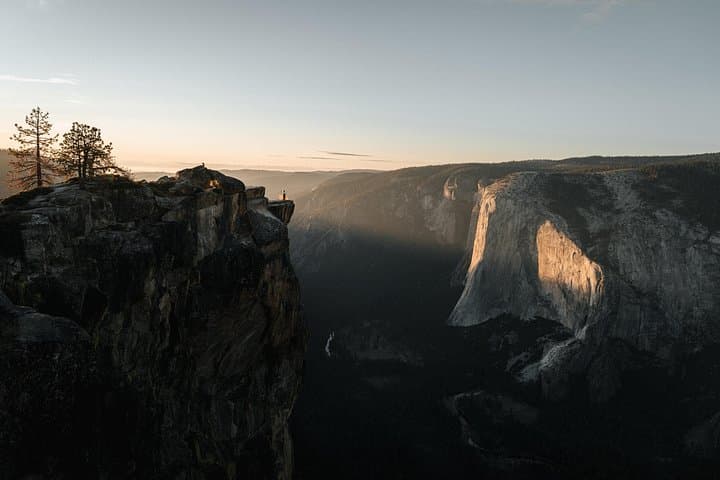
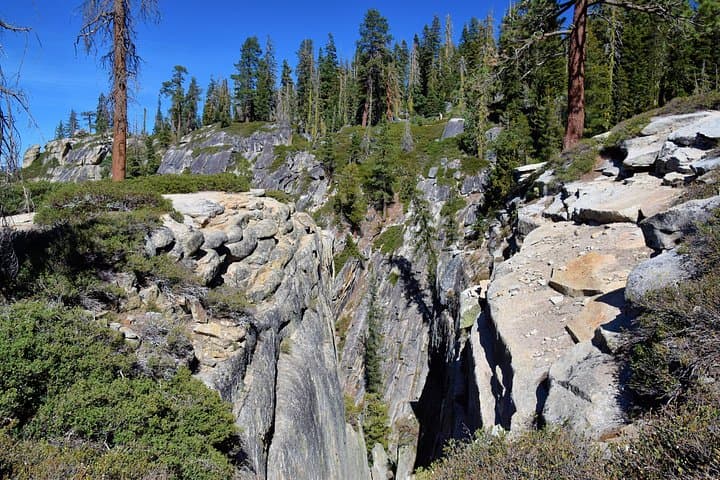
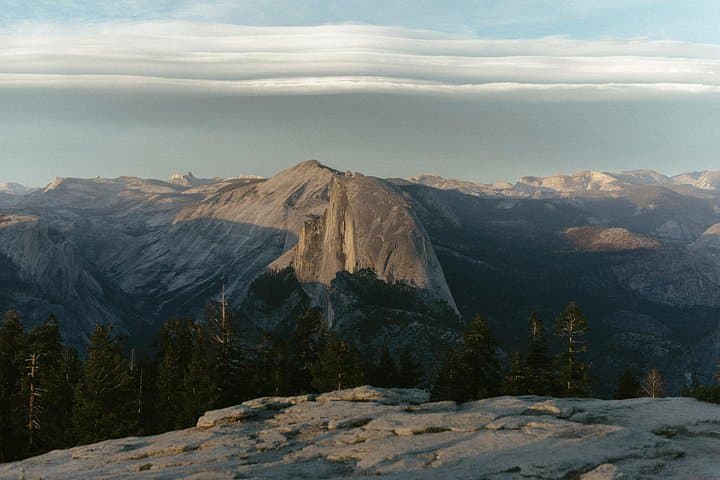
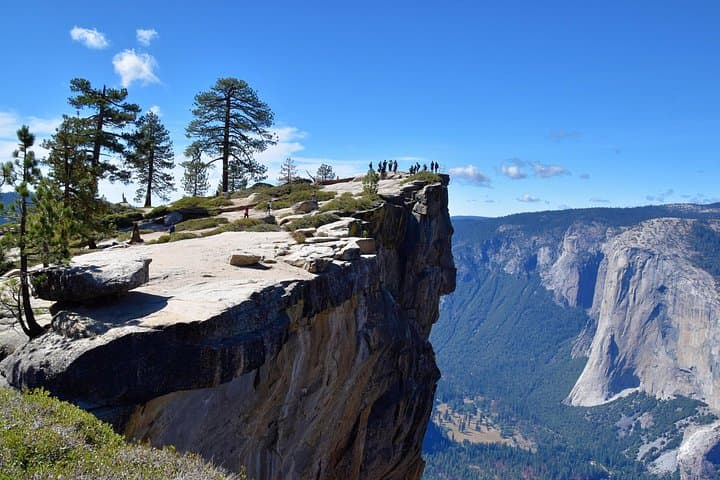
Geology here reads like a field guide to uplift and ice. The granite faces were scoured by Pleistocene glaciers; the dome and cliffs are the bones left after glaciers shaved the valley. Sentinel Dome gives a rare 360-degree perch: the rock underfoot has the rubbed, raw polish of millennia of ice. Taft Point, with its deep fissures and overhanging ledges, exposes the fractures that make Yosemite dramatic and dangerous.
Culturally, this stretch of Yosemite carries layers of story. The Ahwahnechee people lived in the valley long before it became a park; later, photographers like Ansel Adams codified its visual language from spots near Glacier Point. Today, the area balances heavy visitor interest with strict stewardship—reservations, seasonal road closures, and Leave No Trace rules shape when and how you experience it.
Practically speaking: the trek is 6.8 miles round-trip with roughly 500–700 feet of ascent depending on exact routing. The first mile is stiff — a short, rocky climb up to Sentinel Dome — then shifts to easy-to-moderate rolling terrain toward Taft Point. Expect granite slabs that are slick when wet and exposed ridgelines that offer no shelter from sun or wind.
Hydration, sun protection, and steady shoes are non-negotiable. Trekking poles are helpful for the steep opening and for balance on slabs. Guides on the tour provide navigation, context, and emergency gear, but come prepared: bring lunch, extra water, and layers. Dogs aren’t allowed except service animals; park entry reservations or fees may apply in high season.
Timing matters. Sunrise at Sentinel Dome is incandescent, but the climb starts in cold dark; late afternoon light sculpts El Capitan’s face. If you want solitude, visit midweek in shoulder seasons.
This hike is straightforward enough for families used to walking, but the sheer drops at Taft Point demand attention. When you reach the fissures and the cliff’s edge, let the view sharpen your sense of scale — Yosemite’s granite will insist you take notice, and you’ll leave with an honest measure of the range’s geological and human history.
The trail is family-friendly if participants are comfortable walking several miles; the first mile is the steepest—plan slower paces and frequent rests and keep everyone away from cliff edges.
Park entry policies change seasonally; confirm current timed-entry or reservation requirements before your visit and carry your park pass.
Only service animals are permitted on this guided trip; pets are not allowed on most Yosemite trails.
Carry layers, check the forecast, and be prepared to turn back if weather turns; altitude is moderate but can amplify sun exposure and fatigue.
Cell coverage is intermittent; guides can coordinate emergencies but bring a printed copy of meeting details and a charged phone or satellite device if needed.
Early morning or late afternoon on weekdays, and shoulder seasons (late spring, early fall) typically offer fewer people.
Lasting Adventures operates guided outdoor trips and adventures with an emphasis on safety, stewardship, and memorable experiences.
The road to Glacier Point opens like a panorama; as your car crests the last switchback the valley drops away and the high country asserts itself — granite, sky, and a hush that only mountain air can deliver.
The road to Glacier Point opens like a panorama; as your car crests the last switchback the valley drops away and the high country asserts itself — granite, sky, and a hush that only mountain air can deliver.
You begin at Glacier Point, where the Sierra stretches outward and downward in equal measure. After an initial look over Yosemite Valley — El Capitan rising like a sheer wall across from you — the group moves to the Sentinel Dome trailhead. The route stitches together high meadow, exposed granite slabs, and a finale of vertigo at Taft Point’s fissures.
Geology here reads like a field guide to uplift and ice. The granite faces were scoured by Pleistocene glaciers; the dome and cliffs are the bones left after glaciers shaved the valley. Sentinel Dome gives a rare 360-degree perch: the rock underfoot has the rubbed, raw polish of millennia of ice. Taft Point, with its deep fissures and overhanging ledges, exposes the fractures that make Yosemite dramatic and dangerous.
Culturally, this stretch of Yosemite carries layers of story. The Ahwahnechee people lived in the valley long before it became a park; later, photographers like Ansel Adams codified its visual language from spots near Glacier Point. Today, the area balances heavy visitor interest with strict stewardship—reservations, seasonal road closures, and Leave No Trace rules shape when and how you experience it.
Practically speaking: the trek is 6.8 miles round-trip with roughly 500–700 feet of ascent depending on exact routing. The first mile is stiff — a short, rocky climb up to Sentinel Dome — then shifts to easy-to-moderate rolling terrain toward Taft Point. Expect granite slabs that are slick when wet and exposed ridgelines that offer no shelter from sun or wind.
Hydration, sun protection, and steady shoes are non-negotiable. Trekking poles are helpful for the steep opening and for balance on slabs. Guides on the tour provide navigation, context, and emergency gear, but come prepared: bring lunch, extra water, and layers. Dogs aren’t allowed except service animals; park entry reservations or fees may apply in high season.
Timing matters. Sunrise at Sentinel Dome is incandescent, but the climb starts in cold dark; late afternoon light sculpts El Capitan’s face. If you want solitude, visit midweek in shoulder seasons.
This hike is straightforward enough for families used to walking, but the sheer drops at Taft Point demand attention. When you reach the fissures and the cliff’s edge, let the view sharpen your sense of scale — Yosemite’s granite will insist you take notice, and you’ll leave with an honest measure of the range’s geological and human history.