THE ADVENTURE COLLECTIVE® · Independent discovery and booking for outdoor travel

Combine Seoul’s modern history with a refreshing hillside walk: start at the solemn Seodaemun Prison museum, then follow the Ansan Jarak-gil trail through blossoms and red clay before ending at Hongjae Waterfall. This 3–4 hour private walk balances education, nature, and local discoveries.
Combine Seoul’s modern history with a refreshing hillside walk: start at the solemn Seodaemun Prison museum, then follow the Ansan Jarak-gil trail through blossoms and red clay before ending at Hongjae Waterfall. This 3–4 hour private walk balances education, nature, and local discoveries.
You step out of the subway into an abrupt change of mood: the stone walls of Seodaemun Prison rise like a stern memory, and the air feels measured. The tour opens in the museum’s dim corridors, where preserved cells and exhibits speak plainly of Korea’s struggle under Japanese rule, then shifts outward—out of concrete into the green incline of Ansan Jarak-gil. Cherry blossoms and azaleas press close in spring; the red clay trail invites barefoot steps and leaves a bead of soil on your skin.
Verified experiences and guided adventures in the surrounding area.
Operated by TCS TOUR LAB · Seoul, Seoul
You step out of the subway into an abrupt change of mood: the stone walls of Seodaemun Prison rise like a stern memory, and the air feels measured. The tour opens in the museum’s dim corridors, where preserved cells and exhibits speak plainly of Korea’s struggle under Japanese rule, then shifts outward—out of concrete into the green incline of Ansan Jarak-gil. Cherry blossoms and azaleas press close in spring; the red clay trail invites barefoot steps and leaves a bead of soil on your skin.
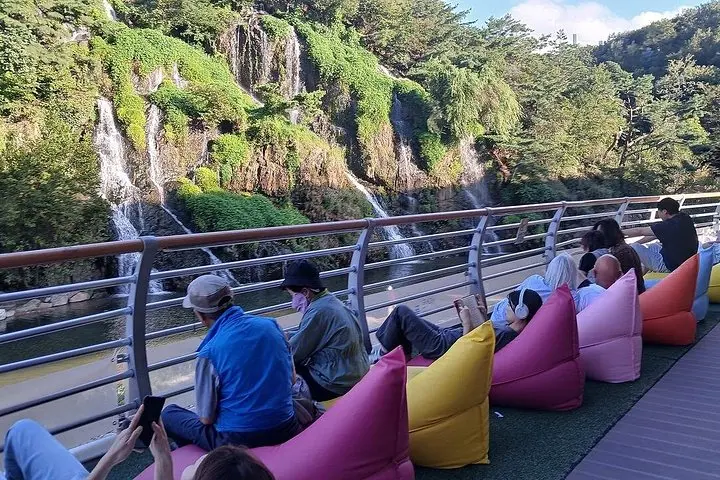
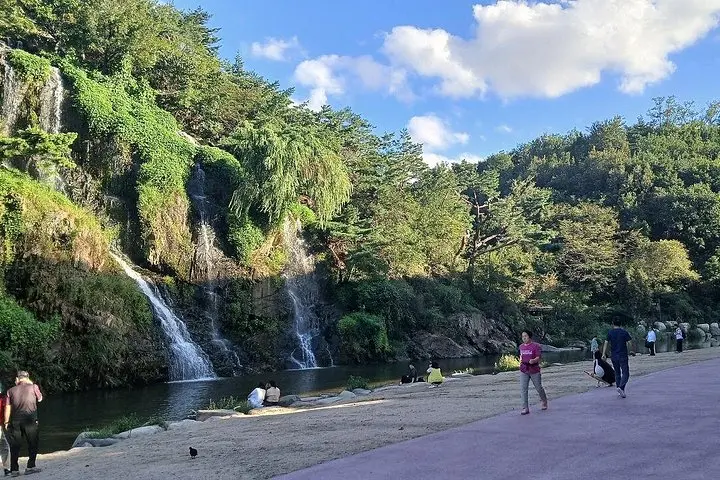
Seodaemun Prison was a center of political imprisonment during the early 20th century; its exhibits link directly to Korea’s independence movement and modern democratic history. Geologically, Ansan is part of Seoul’s irregular granite ridges—short, steep climbs that give panoramic views of the city and Inwang Mountain. Culturally, the route reflects Seoul’s layered identity: sites of resistance, pockets of urban nature, and the everyday rhythms of neighborhood life converging at Hongjae Waterfall, a modest cascade that quiets conversation and lends a natural punctuation to the day.
Practical guidance: plan for roughly three to four hours of mixed museum time and steady walking. Wear grippy shoes for short uphill sections and bring water—some trail segments are exposed. Respect the memorial spaces: quiet voices and no litter. Spring is peak for blooms and the barefoot clay experience; summer brings thick canopy but higher humidity; fall offers crisp air and clear views; winter can be icy on slopes. End in nearby Hongdae for food and transit options.
Most tours meet near Seodaemun Prison History Museum—exact meeting point will be provided at booking and is accessible by subway.
The route includes uphill sections and stairways; it’s best for children who can walk for extended periods and for elderly participants who are comfortable with short climbs.
Barefoot walking is a seasonal feature often done in spring—ask your guide; the surface can be abrasive and muddy if wet.
There are public restrooms near the museum and small cafes toward Hongdae; bring snacks if you prefer not to rely on nearby shops.
TCS TOUR LAB operates guided outdoor trips and adventures with an emphasis on safety, stewardship, and memorable experiences.
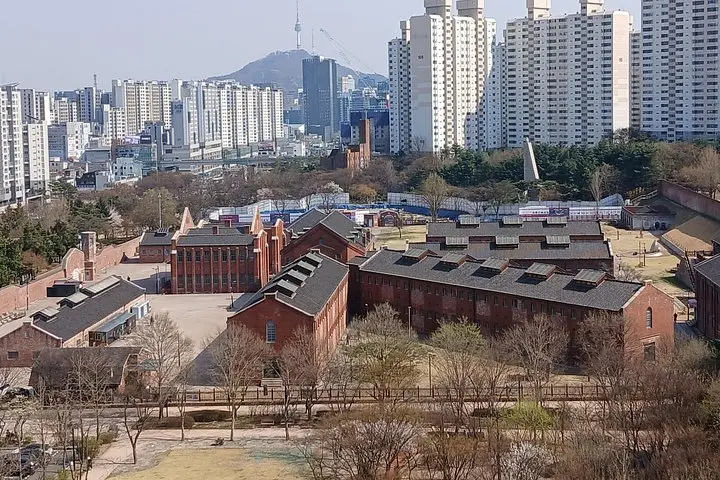
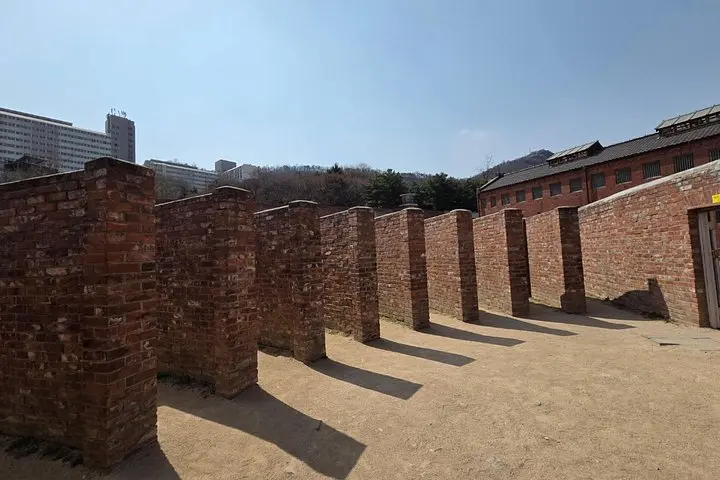
You step out of the subway into an abrupt change of mood: the stone walls of Seodaemun Prison rise like a stern memory, and the air feels measured. The tour opens in the museum’s dim corridors, where preserved cells and exhibits speak plainly of Korea’s struggle under Japanese rule, then shifts outward—out of concrete into the green incline of Ansan Jarak-gil. Cherry blossoms and azaleas press close in spring; the red clay trail invites barefoot steps and leaves a bead of soil on your skin.
You step out of the subway into an abrupt change of mood: the stone walls of Seodaemun Prison rise like a stern memory, and the air feels measured. The tour opens in the museum’s dim corridors, where preserved cells and exhibits speak plainly of Korea’s struggle under Japanese rule, then shifts outward—out of concrete into the green incline of Ansan Jarak-gil. Cherry blossoms and azaleas press close in spring; the red clay trail invites barefoot steps and leaves a bead of soil on your skin.
Seodaemun Prison was a center of political imprisonment during the early 20th century; its exhibits link directly to Korea’s independence movement and modern democratic history. Geologically, Ansan is part of Seoul’s irregular granite ridges—short, steep climbs that give panoramic views of the city and Inwang Mountain. Culturally, the route reflects Seoul’s layered identity: sites of resistance, pockets of urban nature, and the everyday rhythms of neighborhood life converging at Hongjae Waterfall, a modest cascade that quiets conversation and lends a natural punctuation to the day.
Practical guidance: plan for roughly three to four hours of mixed museum time and steady walking. Wear grippy shoes for short uphill sections and bring water—some trail segments are exposed. Respect the memorial spaces: quiet voices and no litter. Spring is peak for blooms and the barefoot clay experience; summer brings thick canopy but higher humidity; fall offers crisp air and clear views; winter can be icy on slopes. End in nearby Hongdae for food and transit options.