THE ADVENTURE COLLECTIVE® · Independent discovery and booking for outdoor travel

Experience Seonmudo in central Seoul: a two-hour moving meditation that blends Zen breathing, martial movements, and a communal tea ritual. Practical for travelers seeking active mindfulness with minimal gear and easy public transport access.
Experience Seonmudo in central Seoul: a two-hour moving meditation that blends Zen breathing, martial movements, and a communal tea ritual. Practical for travelers seeking active mindfulness with minimal gear and easy public transport access.
You step off a busy Seoul sidewalk into a quiet room where the city’s pulse softens to a distant hum. Morning light slants across wooden floors, cushions are aligned, and the faint steam of tea rises as instructors prepare the class—this is Seonmudo, an active form of Zen practice where breath, posture, and motion intersect.
Verified experiences and guided adventures in the surrounding area.
Operated by Moving Meditation, Seonmudo 움직이는 명상 선무도 · Seoul, Seoul
You step off a busy Seoul sidewalk into a quiet room where the city’s pulse softens to a distant hum. Morning light slants across wooden floors, cushions are aligned, and the faint steam of tea rises as instructors prepare the class—this is Seonmudo, an active form of Zen practice where breath, posture, and motion intersect.
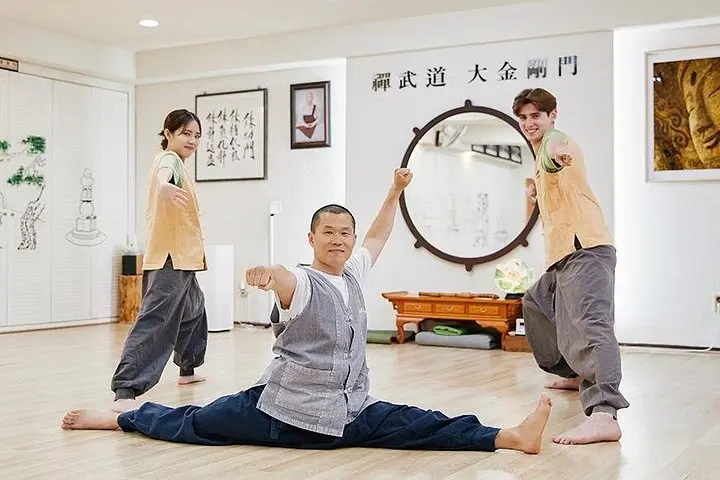
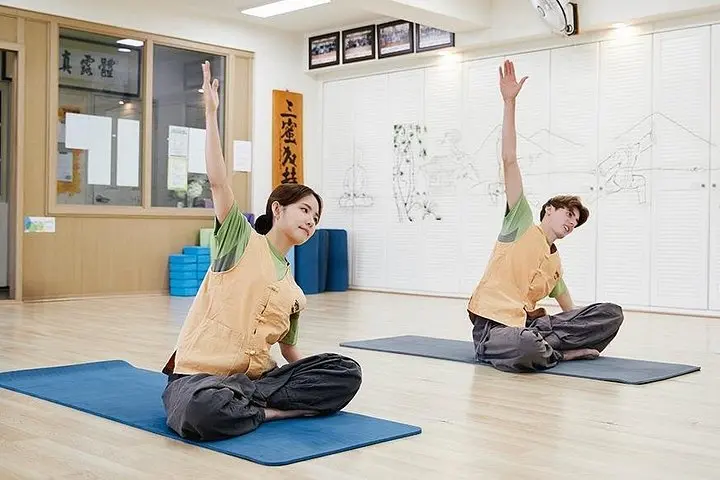
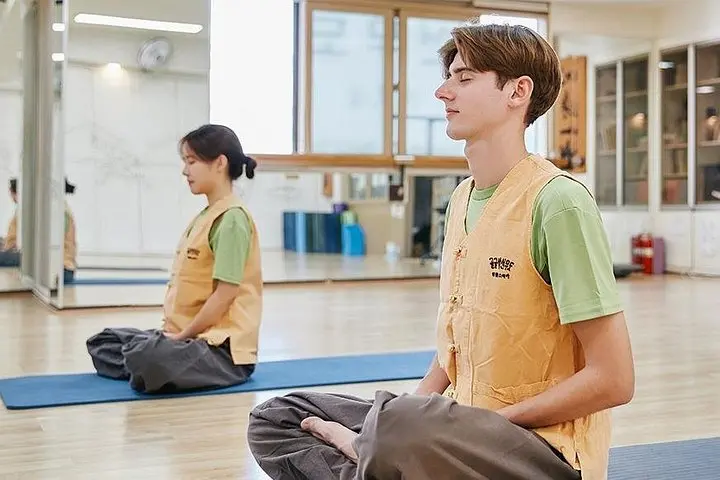
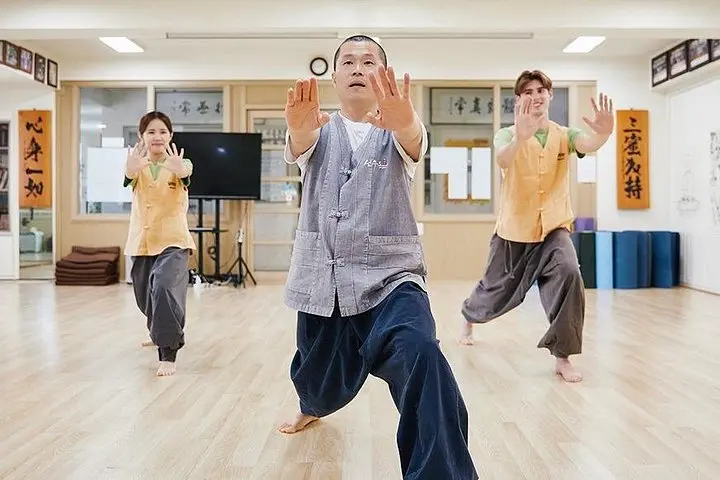
Seonmudo (Sunmudo) grew from Korea’s Buddhist temple traditions that blended seated meditation with martial training. The practice emphasizes breathing, Zen gymnastics, and flowing movement developed by monks both for discipline and physical health. In Seoul the form is taught compactly: breathing meditation, warm-up yoga, basic Janggong movements, moving qigong, and a closing mudra meditation followed by tea.
Though held indoors, the session keeps you in tune with local culture: temple etiquette, communal cleaning, and a short tea ceremony that underlines Korean hospitality. Nearby urban landmarks—temple courtyards and hanok alleys—give the experience a distinctly Seoul flavor.
Practical guidance: arrive 20 minutes early to change and settle. Classes last about two hours and require a moderate fitness level—expect gentle strength, balance work, and standing meditation. Wear comfortable, loose clothing and non-slip socks; bring water and avoid heavy meals before practice. Not recommended for pregnant travelers. Public transport access is convenient; plan your return during off-peak hours if you want to linger in nearby Insadong or Jogyesa.
The session is restorative and pragmatic—less spectacle, more steady effort—ideal for travelers who want a compact, culturally rooted movement practice in the heart of Seoul.
No prior martial arts experience is required; instructors teach basic Janggong movements and adapt pacing for beginners.
Classes in central Seoul centers commonly offer instruction in Korean and basic English; check availability if you need full English guidance.
Yes—most sequences are low-impact and scalable, but inform instructors of injuries or mobility limits so they can suggest modifications.
Full refund is typically available if you cancel at least 24 hours before the scheduled start time; check your booking confirmation for specifics.
Moving Meditation, Seonmudo 움직이는 명상 선무도 operates guided outdoor trips and adventures with an emphasis on safety, stewardship, and memorable experiences.
You step off a busy Seoul sidewalk into a quiet room where the city’s pulse softens to a distant hum. Morning light slants across wooden floors, cushions are aligned, and the faint steam of tea rises as instructors prepare the class—this is Seonmudo, an active form of Zen practice where breath, posture, and motion intersect.
You step off a busy Seoul sidewalk into a quiet room where the city’s pulse softens to a distant hum. Morning light slants across wooden floors, cushions are aligned, and the faint steam of tea rises as instructors prepare the class—this is Seonmudo, an active form of Zen practice where breath, posture, and motion intersect.
Seonmudo (Sunmudo) grew from Korea’s Buddhist temple traditions that blended seated meditation with martial training. The practice emphasizes breathing, Zen gymnastics, and flowing movement developed by monks both for discipline and physical health. In Seoul the form is taught compactly: breathing meditation, warm-up yoga, basic Janggong movements, moving qigong, and a closing mudra meditation followed by tea.
Though held indoors, the session keeps you in tune with local culture: temple etiquette, communal cleaning, and a short tea ceremony that underlines Korean hospitality. Nearby urban landmarks—temple courtyards and hanok alleys—give the experience a distinctly Seoul flavor.
Practical guidance: arrive 20 minutes early to change and settle. Classes last about two hours and require a moderate fitness level—expect gentle strength, balance work, and standing meditation. Wear comfortable, loose clothing and non-slip socks; bring water and avoid heavy meals before practice. Not recommended for pregnant travelers. Public transport access is convenient; plan your return during off-peak hours if you want to linger in nearby Insadong or Jogyesa.
The session is restorative and pragmatic—less spectacle, more steady effort—ideal for travelers who want a compact, culturally rooted movement practice in the heart of Seoul.