THE ADVENTURE COLLECTIVE® · Independent discovery and booking for outdoor travel

A five-day loop from Seoul to Mt. Seoraksan that balances palace visits, island ferry rides and granite ridgelines. Expect city walking, a ferry to Nami Island, Sokcho seafood markets and cable-car access to Seoraksan’s scenic high points.
A five-day loop from Seoul to Mt. Seoraksan that balances palace visits, island ferry rides and granite ridgelines. Expect city walking, a ferry to Nami Island, Sokcho seafood markets and cable-car access to Seoraksan’s scenic high points.
You step out of Incheon International Airport into the hum of Seoul — neon storefronts, scooters threading through morning fog, and a guide who folds the city into a compact, walkable plan. Within a day you’re on Namsan, looking down from the N Seoul Tower as the city unfurls; by the next morning a ferry cuts through the freshwater mirror to Nami Island, and later the granite ridges of Seoraksan loom, their jagged teeth softened by pine and mist.
Verified experiences and guided adventures in the surrounding area.
Operated by Korea DMC Tour · Seoul, Seoul
You step out of Incheon International Airport into the hum of Seoul — neon storefronts, scooters threading through morning fog, and a guide who folds the city into a compact, walkable plan. Within a day you’re on Namsan, looking down from the N Seoul Tower as the city unfurls; by the next morning a ferry cuts through the freshwater mirror to Nami Island, and later the granite ridges of Seoraksan loom, their jagged teeth softened by pine and mist.
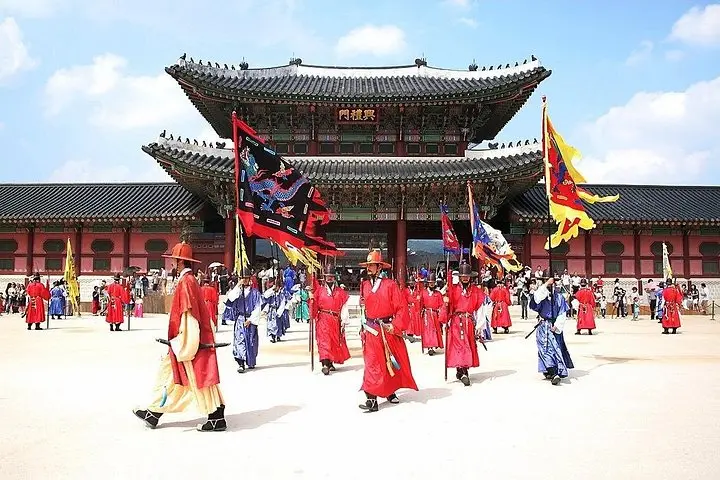
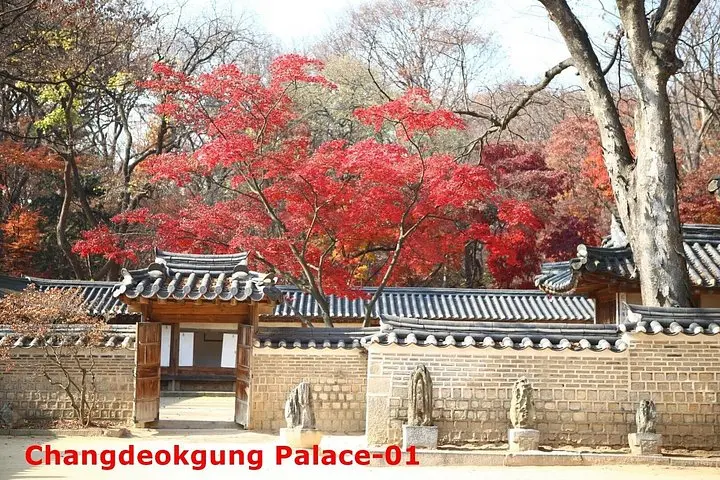
This loop pairs Korea’s urban pulse with deeply embodied history. In Seoul, Gyeongbokgung and Changdeokgung offer Joseon-era architecture and the royal guard ceremony; Bukchon’s hanok lanes show domestic life across centuries. Geologically, Seoraksan’s core is hard granite and gneiss, carved into sharp ridgelines and deep valleys — Daecheongbong rises to about 1,708 m — which created sacred sites like Sinheungsa and the modern Great Unification Buddha statue. Sokcho’s waterfront markets tie the mountain to the sea: fresh catches, local noodles, and working harbors that feed the region’s character.
Practical guidance: the itinerary covers city walking, short ferry transits, and light mountain access via cable car plus short hikes — plan for variable weather and some early mornings. Distances between Seoul and Sokcho mean 2–3 hours driving each way; the operator handles transfers, but bring cash for small stalls, a daypack, and sturdy shoes for uneven trails. Allow extra time at temples for respectful photography and at markets for tasting. With modest fitness and sensible layers, this five-day circuit gives a balanced, culturally rich mountain escape.
Yes — the itinerary uses private transfers and cable cars and includes mostly short walks; however, mobility needs should be noted at booking for appropriate assistance.
Credit cards are widely accepted in Seoul, but small markets, ferry kiosks and stalls in Sokcho often prefer cash — bring some Korean won for food and souvenirs.
The itinerary lists specific paid admissions; confirm included admissions with the operator before travel, as some cable car or temple donations may be extra.
This is a private tour with an English-speaking guide provided; if you require another language, request it when booking and the operator will try to accommodate.
Korea DMC Tour operates guided outdoor trips and adventures with an emphasis on safety, stewardship, and memorable experiences.
You step out of Incheon International Airport into the hum of Seoul — neon storefronts, scooters threading through morning fog, and a guide who folds the city into a compact, walkable plan. Within a day you’re on Namsan, looking down from the N Seoul Tower as the city unfurls; by the next morning a ferry cuts through the freshwater mirror to Nami Island, and later the granite ridges of Seoraksan loom, their jagged teeth softened by pine and mist.
You step out of Incheon International Airport into the hum of Seoul — neon storefronts, scooters threading through morning fog, and a guide who folds the city into a compact, walkable plan. Within a day you’re on Namsan, looking down from the N Seoul Tower as the city unfurls; by the next morning a ferry cuts through the freshwater mirror to Nami Island, and later the granite ridges of Seoraksan loom, their jagged teeth softened by pine and mist.
This loop pairs Korea’s urban pulse with deeply embodied history. In Seoul, Gyeongbokgung and Changdeokgung offer Joseon-era architecture and the royal guard ceremony; Bukchon’s hanok lanes show domestic life across centuries. Geologically, Seoraksan’s core is hard granite and gneiss, carved into sharp ridgelines and deep valleys — Daecheongbong rises to about 1,708 m — which created sacred sites like Sinheungsa and the modern Great Unification Buddha statue. Sokcho’s waterfront markets tie the mountain to the sea: fresh catches, local noodles, and working harbors that feed the region’s character.
Practical guidance: the itinerary covers city walking, short ferry transits, and light mountain access via cable car plus short hikes — plan for variable weather and some early mornings. Distances between Seoul and Sokcho mean 2–3 hours driving each way; the operator handles transfers, but bring cash for small stalls, a daypack, and sturdy shoes for uneven trails. Allow extra time at temples for respectful photography and at markets for tasting. With modest fitness and sensible layers, this five-day circuit gives a balanced, culturally rich mountain escape.