THE ADVENTURE COLLECTIVE® · Independent discovery and booking for outdoor travel

Trace five days of Korean history across Seoul’s palaces, hanok districts, and royal tombs. This guided itinerary pairs close readings of Joseon-era sites with modern cultural context and practical logistics for first-time visitors.
Trace five days of Korean history across Seoul’s palaces, hanok districts, and royal tombs. This guided itinerary pairs close readings of Joseon-era sites with modern cultural context and practical logistics for first-time visitors.
You step from Incheon’s glass-and-steel terminal into a bus that will thread five days through Seoul’s living history—palaces, hanok alleys, memorial halls, and the quieter tombs beyond the city’s edges.
Verified experiences and guided adventures in the surrounding area.
Operated by 𝐇𝐚𝐧𝐬𝐚𝐫𝐚𝐧𝐠 𝐖𝐨𝐨𝐫𝐢 · Seoul, Seoul
You step from Incheon’s glass-and-steel terminal into a bus that will thread five days through Seoul’s living history—palaces, hanok alleys, memorial halls, and the quieter tombs beyond the city’s edges.
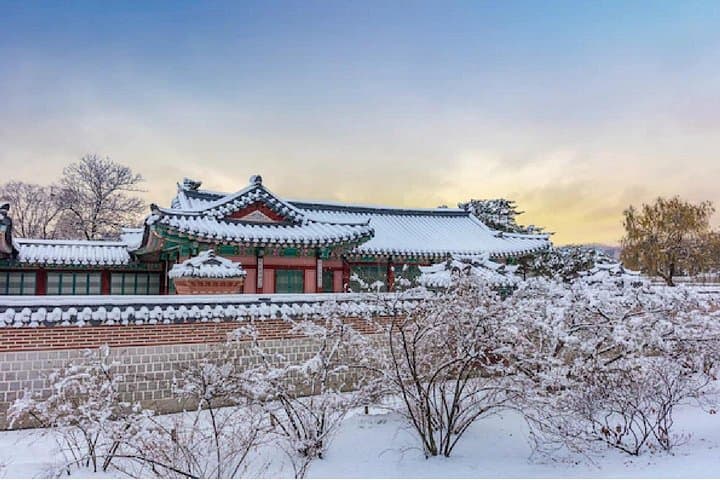
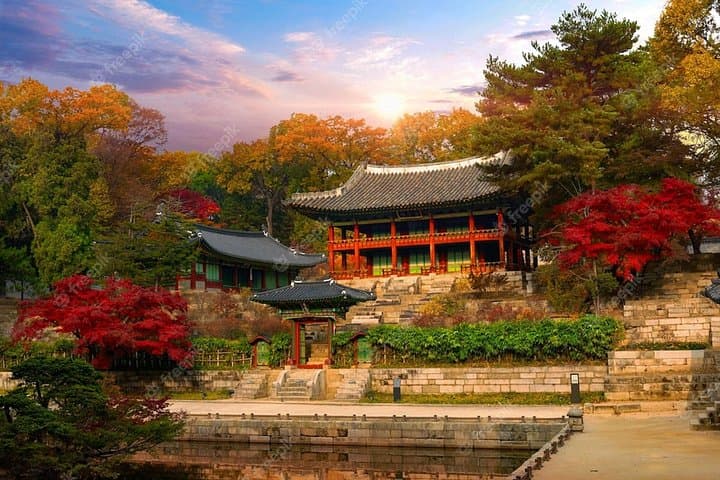
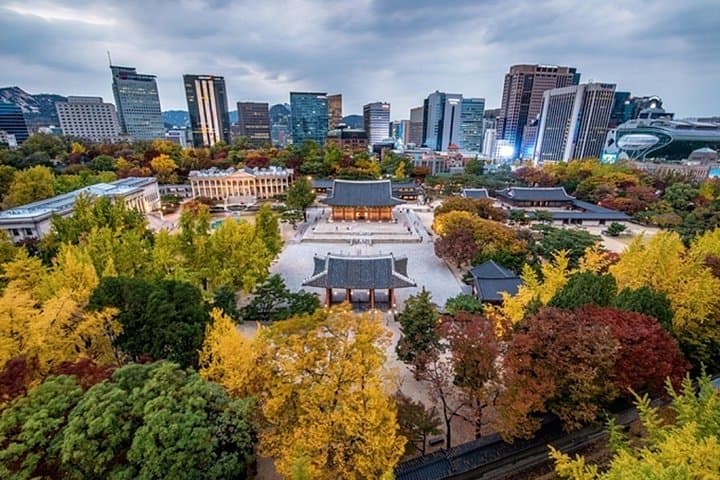
The route follows the arc of the Joseon Dynasty into modern Korea: Gyeongbokgung’s painted eaves, the measured halls of Changgyeonggung and Deoksugung, Jongmyo’s Confucian calm, and the graves of Yeoju where King Sejong’s legacy rests. The architecture tells a political story—restoration after war, late Joseon western influences, and the deliberate city planning that shaped contemporary Seoul.
Geology is secondary here but present: low granite ridges like Bugaksan frame the northern hanok district, and river valleys to the south carried trade that made the capital sustainable. Culture is immediate—tea houses in Insa-dong, hanbok-clad visitors in Bukchon, and the tactile craft of paper and calligraphy in small museums.
Practical guidance: each day mixes walking tours (palace grounds, alleys) with bus transfers; expect several short hikes around fortress slopes and 3–6 miles of walking per day on paved surfaces. Wear grippy shoes, carry a daypack with water and your passport for palace entry, and plan mornings for palaces to avoid crowds and midday heat in summer. Meals are provided according to the itinerary; expect traditional Korean breakfasts and set lunches/dinners.
This is a city-centered, low-impact itinerary built for curious travelers who want historical context alongside practical logistics—guide-led, hotel and hanok stays included, and airport transfers scheduled for convenience.
Yes—admission tickets listed in the itinerary are included for the sites marked as covered in the tour details.
Yes—pickup and drop-off at Incheon Airport terminals 1 and 2 are provided as part of the tour.
Meals are provided; inform the operator at booking of allergies or dietary needs so they can arrange alternatives when possible.
Yes—this tour is classified as physically easy, but it involves walking and some stairs; travelers with mobility limitations should notify the operator in advance.
𝐇𝐚𝐧𝐬𝐚𝐫𝐚𝐧𝐠 𝐖𝐨𝐨𝐫𝐢 operates guided outdoor trips and adventures with an emphasis on safety, stewardship, and memorable experiences.
You step from Incheon’s glass-and-steel terminal into a bus that will thread five days through Seoul’s living history—palaces, hanok alleys, memorial halls, and the quieter tombs beyond the city’s edges.
You step from Incheon’s glass-and-steel terminal into a bus that will thread five days through Seoul’s living history—palaces, hanok alleys, memorial halls, and the quieter tombs beyond the city’s edges.
The route follows the arc of the Joseon Dynasty into modern Korea: Gyeongbokgung’s painted eaves, the measured halls of Changgyeonggung and Deoksugung, Jongmyo’s Confucian calm, and the graves of Yeoju where King Sejong’s legacy rests. The architecture tells a political story—restoration after war, late Joseon western influences, and the deliberate city planning that shaped contemporary Seoul.
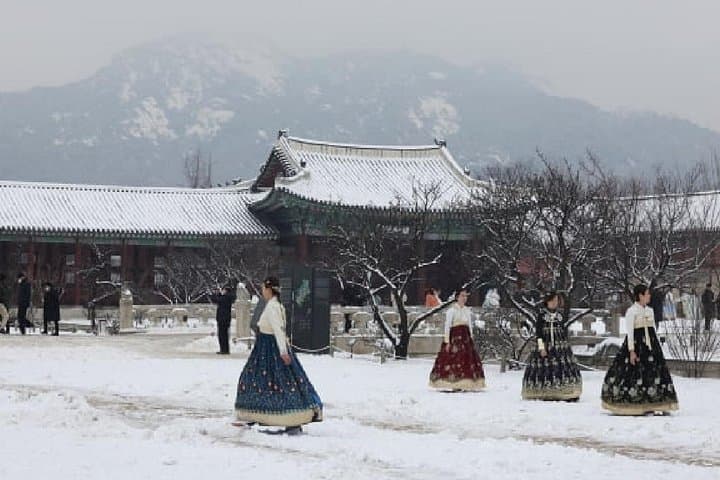
Geology is secondary here but present: low granite ridges like Bugaksan frame the northern hanok district, and river valleys to the south carried trade that made the capital sustainable. Culture is immediate—tea houses in Insa-dong, hanbok-clad visitors in Bukchon, and the tactile craft of paper and calligraphy in small museums.
Practical guidance: each day mixes walking tours (palace grounds, alleys) with bus transfers; expect several short hikes around fortress slopes and 3–6 miles of walking per day on paved surfaces. Wear grippy shoes, carry a daypack with water and your passport for palace entry, and plan mornings for palaces to avoid crowds and midday heat in summer. Meals are provided according to the itinerary; expect traditional Korean breakfasts and set lunches/dinners.
This is a city-centered, low-impact itinerary built for curious travelers who want historical context alongside practical logistics—guide-led, hotel and hanok stays included, and airport transfers scheduled for convenience.