THE ADVENTURE COLLECTIVE® · Independent discovery and booking for outdoor travel

Walk where Seoul’s political and cultural history meets urban life: from market alleys to the fortress wall. This small-group tour combines city-scale context with hands-on stops highlighting Korea’s democratic evolution.
Walk where Seoul’s political and cultural history meets urban life: from market alleys to the fortress wall. This small-group tour combines city-scale context with hands-on stops highlighting Korea’s democratic evolution.
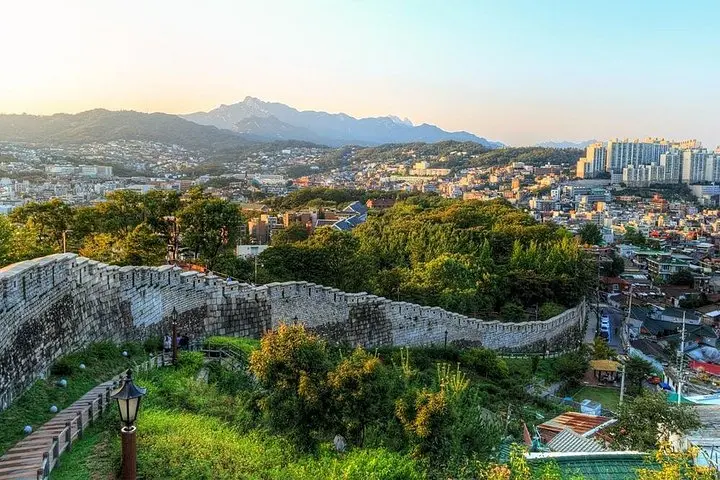
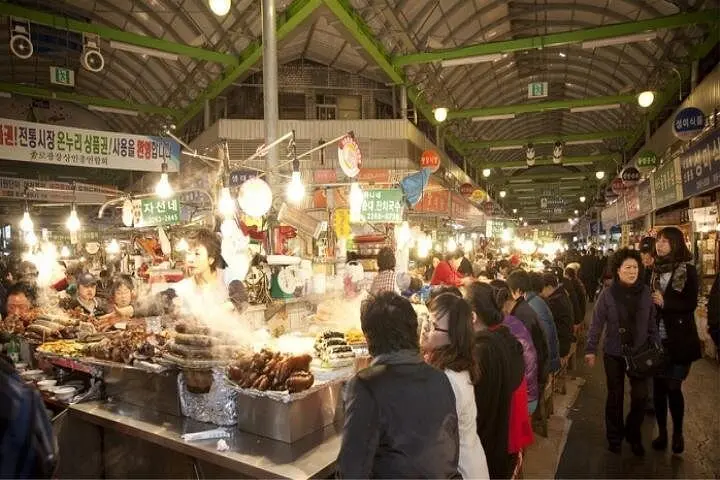
You step off the subway into a city that talks to you—neon signage blinking, vendors calling from narrow market alleys, and an old stone wall threading its way up a nearby hill like a patient guardian.
Verified experiences and guided adventures in the surrounding area.
Operated by OnedayKorea · Seoul, Seoul
You step off the subway into a city that talks to you—neon signage blinking, vendors calling from narrow market alleys, and an old stone wall threading its way up a nearby hill like a patient guardian.
This eight-hour small-group walking tour stitches together those voices: the market stalls where street food still follows recipes from before the occupation and boom years; the Dongdaemun Design Plaza (DDP), where futuristic curves announce Seoul's contemporary creativity; and long stretches of the Seoul Fortress Wall, where granite blocks remember early Joseon defenses and more recent struggles for democracy.
Seoul’s modern political history is visible in place as much as in plaques—the student protests, mass demonstrations in the 1980s, and the 1987 June Democratic Uprising that helped shape South Korea’s constitutional path. Geologically, the granite ridgelines around central Seoul created natural corridors later used for fortifications and trails; culturally, those same ridges now host walking routes that weave past shrines, parks, and neighborhoods.
On the practical side, expect 6–8 miles of urban walking on mixed surfaces: paved streets, market alleys, and uneven stone steps along the fortress wall. Bring layers for sudden temperature shifts under city shade, and pack a water bottle; kiosks and cafés are frequent but can be busy at lunch.
Timing matters—mornings are cooler and markets are livelier; late afternoon softens the light on the wall. The guide’s stories connect sites to Seoul’s democratic transformation, helping you read the city’s past through places you can touch and walk through.
The tour covers roughly 6–8 miles of walking over 8 hours on city streets, market alleys, and stone steps—expect periods of standing during explanations.
Lunch and food tastings noted by the operator are included; independent purchases at markets are extra.
Participants should have moderate fitness; steep steps on the fortress wall may be difficult for very young children or those with mobility limits.
The listed inclusion is an English-speaking tour guide; check booking details for language specifics.
OnedayKorea operates guided outdoor trips and adventures with an emphasis on safety, stewardship, and memorable experiences.

You step off the subway into a city that talks to you—neon signage blinking, vendors calling from narrow market alleys, and an old stone wall threading its way up a nearby hill like a patient guardian.
You step off the subway into a city that talks to you—neon signage blinking, vendors calling from narrow market alleys, and an old stone wall threading its way up a nearby hill like a patient guardian.
This eight-hour small-group walking tour stitches together those voices: the market stalls where street food still follows recipes from before the occupation and boom years; the Dongdaemun Design Plaza (DDP), where futuristic curves announce Seoul's contemporary creativity; and long stretches of the Seoul Fortress Wall, where granite blocks remember early Joseon defenses and more recent struggles for democracy.
Seoul’s modern political history is visible in place as much as in plaques—the student protests, mass demonstrations in the 1980s, and the 1987 June Democratic Uprising that helped shape South Korea’s constitutional path. Geologically, the granite ridgelines around central Seoul created natural corridors later used for fortifications and trails; culturally, those same ridges now host walking routes that weave past shrines, parks, and neighborhoods.
On the practical side, expect 6–8 miles of urban walking on mixed surfaces: paved streets, market alleys, and uneven stone steps along the fortress wall. Bring layers for sudden temperature shifts under city shade, and pack a water bottle; kiosks and cafés are frequent but can be busy at lunch.
Timing matters—mornings are cooler and markets are livelier; late afternoon softens the light on the wall. The guide’s stories connect sites to Seoul’s democratic transformation, helping you read the city’s past through places you can touch and walk through.