THE ADVENTURE COLLECTIVE® · Independent discovery and booking for outdoor travel

A full-day guided tour from Seoul to the DMZ that pairs sobering historical sites with optional scenic stops — waterfalls, a hanok village, or suspension bridges. Expect multiple short walks, passport checks, and vivid views into both history and the landscape.
A full-day guided tour from Seoul to the DMZ that pairs sobering historical sites with optional scenic stops — waterfalls, a hanok village, or suspension bridges. Expect multiple short walks, passport checks, and vivid views into both history and the landscape.
Morning light peels across Seoul’s skyline as a coach eases out of the city and the landscape tightens — rice fields, low ridgelines, and watchtowers that puncture the horizon. By the time the group reaches Imjingak Peace Park, the air has a crisp, reverent edge; steel monuments and the Freedom Bridge confront visitors with the tangible legacy of conflict.
Verified experiences and guided adventures in the surrounding area.
Operated by One Universe Trips · Seoul, Seoul
Morning light peels across Seoul’s skyline as a coach eases out of the city and the landscape tightens — rice fields, low ridgelines, and watchtowers that puncture the horizon. By the time the group reaches Imjingak Peace Park, the air has a crisp, reverent edge; steel monuments and the Freedom Bridge confront visitors with the tangible legacy of conflict.
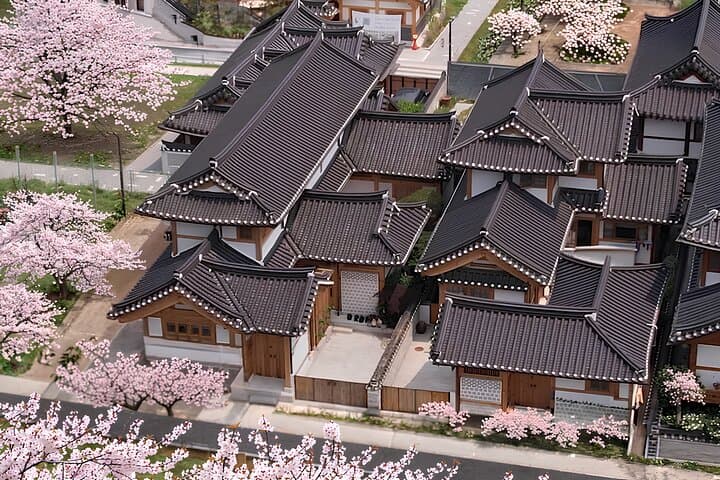
The tour moves from modern memorials to Cold War relics: the Third Tunnel’s dug-out passage, a narrow proof of clandestine engineering, and Dorasan Observatory’s binocular views into North Korea — a reminder that this boundary is both geopolitical and geological, carved along low mountains and river valleys that shaped military lines. On the return, optional stops add softer textures: Hongje Waterfalls’ falling water and cherry-lined approaches, the quiet clapboard roofs of Eunpyeong’s hanok against Bukhansan’s granite ribs, and the rattle and sway of Gamaksan’s red suspension bridge over Majang Lake.
Culturally, the day pairs tense history with contemporary Seoul’s effort to remember and reconcile: Unification Village’s planned layouts, Jingwansa Temple’s monks, and cafes where locals photograph the falls.
Practical guidance: bring your passport, carry water and layered clothing for wind-exposed observatories and shaded trails, and expect multiple short walks on uneven surfaces and stairs. Photography is allowed at many stops but restricted in secure areas. The DMZ can close without notice; alternative sites are sometimes substituted. Plan for a 7–9 hour day, light snacks, and shoes suitable for short hikes and urban walking — the tour blends history, landscape, and a quiet, watchful nature that will stay with you long after the bus returns to Seoul.
Yes. A valid passport is required for entry to DMZ sites; without it you will not be allowed into restricted areas.
Yes, but some sites have stairs and confined spaces; travelers should assess mobility for young children and infants.
The DMZ can close without notice for military reasons; reputable operators provide alternative visits such as Odusan Observatory or the Korean War Memorial.
Photography is allowed at most public viewpoints and memorials but restricted in certain military or controlled zones; follow the guide’s instructions and posted signs.
One Universe Trips operates guided outdoor trips and adventures with an emphasis on safety, stewardship, and memorable experiences.


Morning light peels across Seoul’s skyline as a coach eases out of the city and the landscape tightens — rice fields, low ridgelines, and watchtowers that puncture the horizon. By the time the group reaches Imjingak Peace Park, the air has a crisp, reverent edge; steel monuments and the Freedom Bridge confront visitors with the tangible legacy of conflict.
Morning light peels across Seoul’s skyline as a coach eases out of the city and the landscape tightens — rice fields, low ridgelines, and watchtowers that puncture the horizon. By the time the group reaches Imjingak Peace Park, the air has a crisp, reverent edge; steel monuments and the Freedom Bridge confront visitors with the tangible legacy of conflict.
The tour moves from modern memorials to Cold War relics: the Third Tunnel’s dug-out passage, a narrow proof of clandestine engineering, and Dorasan Observatory’s binocular views into North Korea — a reminder that this boundary is both geopolitical and geological, carved along low mountains and river valleys that shaped military lines. On the return, optional stops add softer textures: Hongje Waterfalls’ falling water and cherry-lined approaches, the quiet clapboard roofs of Eunpyeong’s hanok against Bukhansan’s granite ribs, and the rattle and sway of Gamaksan’s red suspension bridge over Majang Lake.
Culturally, the day pairs tense history with contemporary Seoul’s effort to remember and reconcile: Unification Village’s planned layouts, Jingwansa Temple’s monks, and cafes where locals photograph the falls.
Practical guidance: bring your passport, carry water and layered clothing for wind-exposed observatories and shaded trails, and expect multiple short walks on uneven surfaces and stairs. Photography is allowed at many stops but restricted in secure areas. The DMZ can close without notice; alternative sites are sometimes substituted. Plan for a 7–9 hour day, light snacks, and shoes suitable for short hikes and urban walking — the tour blends history, landscape, and a quiet, watchful nature that will stay with you long after the bus returns to Seoul.