THE ADVENTURE COLLECTIVE® · Independent discovery and booking for outdoor travel

Move from Seoul to the fortified edge of the Korean Peninsula on an eight-hour tour that visits Imjingak, the 3rd Tunnel, Dora Observatory and the red suspension bridge at Gamaksan. Expect military checkpoints, guided history, and close-up views across the DMZ.
Move from Seoul to the fortified edge of the Korean Peninsula on an eight-hour tour that visits Imjingak, the 3rd Tunnel, Dora Observatory and the red suspension bridge at Gamaksan. Expect military checkpoints, guided history, and close-up views across the DMZ.
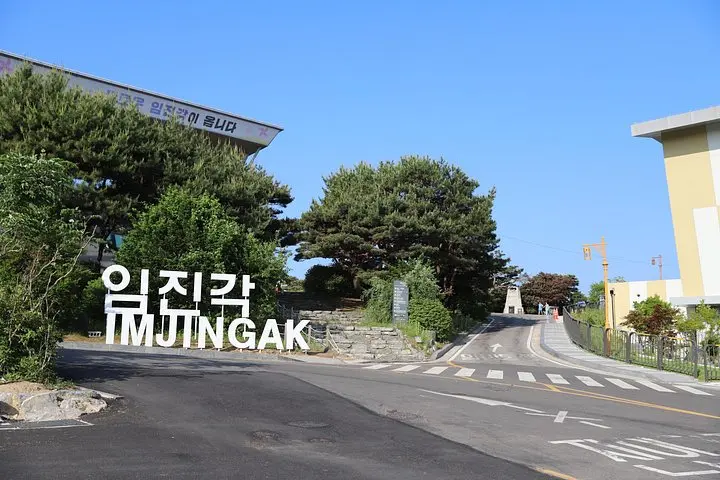
A low hum of the bus and the winter-leaning pines set the tone as the group moves north from Seoul toward Imjingak. The landscape tightens—rice paddies give way to barbed-wire fences and scarred ridgelines—until the concrete memorials and flags of Imjingak mark the threshold between city life and Cold War front lines.
Verified experiences and guided adventures in the surrounding area.
Operated by I Love Seoul Tour · Paju, Gyeonggi-do
A low hum of the bus and the winter-leaning pines set the tone as the group moves north from Seoul toward Imjingak. The landscape tightens—rice paddies give way to barbed-wire fences and scarred ridgelines—until the concrete memorials and flags of Imjingak mark the threshold between city life and Cold War front lines.
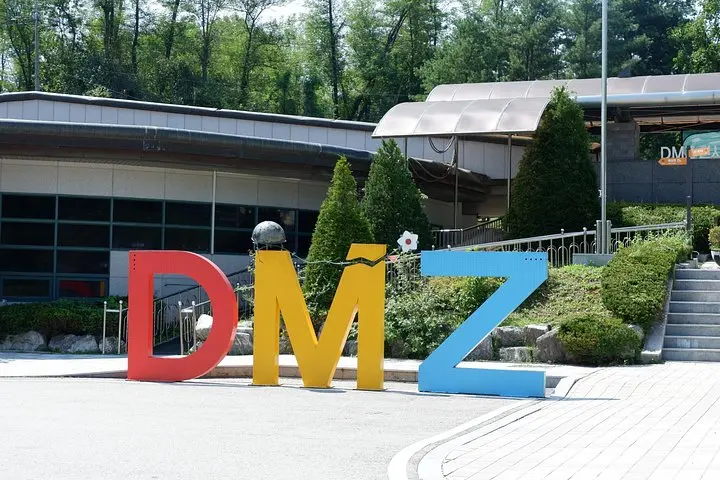
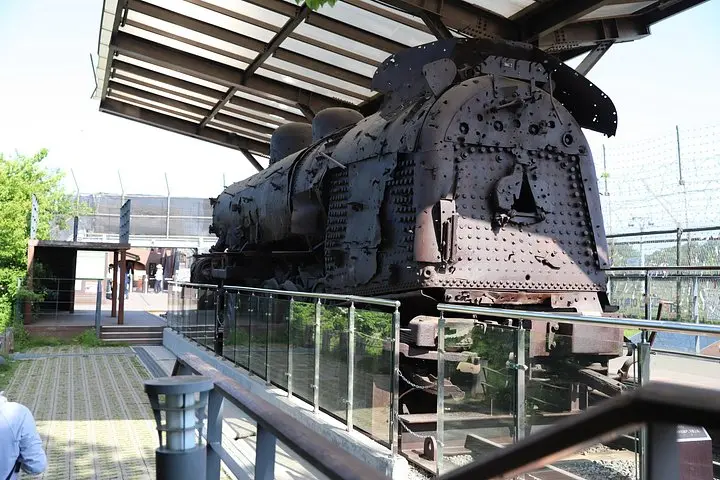
This afternoon tour stitches together wartime history and the odd geology of the Korean Peninsula: Imjingak Park (a post-war memorial site), Mangbaedan's ritual platform for families divided by the border, the 3rd Infiltration Tunnel—an engineered bore discovered in 1978 that underscores the built vulnerability of the DMZ—and Dora Observatory, where binoculars can pick out villages across the Military Demarcation Line.
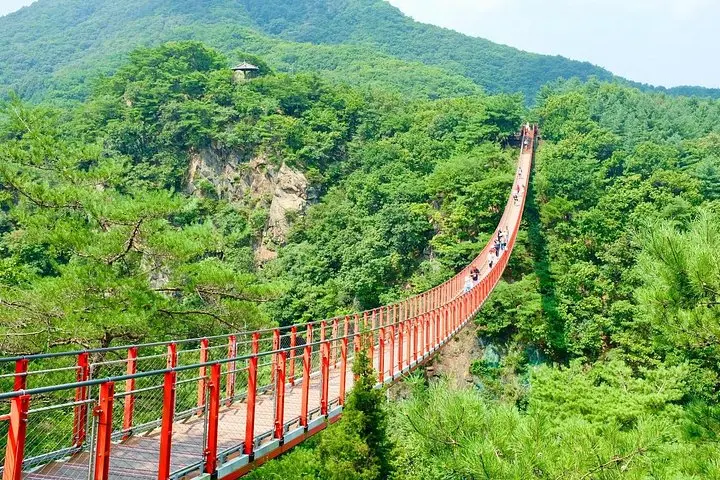
Gamaksan’s red suspension bridge (Chulleong Bridge), a narrow pedestrian link above a wooded valley, recalls the 1951 Battle of Gloster Hill and the human cost etched into these slopes.
Expect military-controlled checkpoints, a guided narrative about the Korean War and subsequent armistice, and short walks on paved or gravel surfaces. The tour is heavy on interpretation: visual panoramas, exhibits, and confined underground passage in the tunnel (headroom is low). Bring a valid passport for checkpoint processing, wear closed shoes for the tunnel and bridge, and plan for variable winds at the observatory.
Photography is common but subject to restrictions at certain vantage points. The experience balances sobering historical context with brisk, accessible fieldwork—an eight-hour corridor through memory, geology, and living borderland communities.
Yes. A current valid passport is required on the day of travel for military checkpoint checks and entry procedures.
The tunnel walk is short but has low ceilings (around 2 m) and damp concrete floors—people with mobility or severe back problems should not join.
You can photograph across the border in most areas, but some vantage points restrict close-up images; follow the guide and posted rules.
This tour is not recommended for pregnant travelers and may be restricted for very young children due to underground sections and military procedures.
I Love Seoul Tour operates guided outdoor trips and adventures with an emphasis on safety, stewardship, and memorable experiences.
A low hum of the bus and the winter-leaning pines set the tone as the group moves north from Seoul toward Imjingak. The landscape tightens—rice paddies give way to barbed-wire fences and scarred ridgelines—until the concrete memorials and flags of Imjingak mark the threshold between city life and Cold War front lines.
A low hum of the bus and the winter-leaning pines set the tone as the group moves north from Seoul toward Imjingak. The landscape tightens—rice paddies give way to barbed-wire fences and scarred ridgelines—until the concrete memorials and flags of Imjingak mark the threshold between city life and Cold War front lines.
This afternoon tour stitches together wartime history and the odd geology of the Korean Peninsula: Imjingak Park (a post-war memorial site), Mangbaedan's ritual platform for families divided by the border, the 3rd Infiltration Tunnel—an engineered bore discovered in 1978 that underscores the built vulnerability of the DMZ—and Dora Observatory, where binoculars can pick out villages across the Military Demarcation Line.
Gamaksan’s red suspension bridge (Chulleong Bridge), a narrow pedestrian link above a wooded valley, recalls the 1951 Battle of Gloster Hill and the human cost etched into these slopes.
Expect military-controlled checkpoints, a guided narrative about the Korean War and subsequent armistice, and short walks on paved or gravel surfaces. The tour is heavy on interpretation: visual panoramas, exhibits, and confined underground passage in the tunnel (headroom is low). Bring a valid passport for checkpoint processing, wear closed shoes for the tunnel and bridge, and plan for variable winds at the observatory.
Photography is common but subject to restrictions at certain vantage points. The experience balances sobering historical context with brisk, accessible fieldwork—an eight-hour corridor through memory, geology, and living borderland communities.