THE ADVENTURE COLLECTIVE® · Independent discovery and booking for outdoor travel

Catch Seoul’s electric match-night energy with a guided K-food meal and live cheering culture. This experience pairs stadium chants and K-pop-style cheerleaders with local late-night food and bars.
Catch Seoul’s electric match-night energy with a guided K-food meal and live cheering culture. This experience pairs stadium chants and K-pop-style cheerleaders with local late-night food and bars.
A neon-lit concourse, the thump of a bassline, and a stadium full of synchronized clapping—this is Seoul on match night. You meet your guide at a local restaurant, share a brisk spread of Korean fried chicken or grill your own slices of samgyeopsal, then move with the crowd toward the stadium where chants and cheerleaders pull everyone into the performance.
Verified experiences and guided adventures in the surrounding area.
Operated by Jin · Seoul, Seoul
A neon-lit concourse, the thump of a bassline, and a stadium full of synchronized clapping—this is Seoul on match night. You meet your guide at a local restaurant, share a brisk spread of Korean fried chicken or grill your own slices of samgyeopsal, then move with the crowd toward the stadium where chants and cheerleaders pull everyone into the performance.
Modern Korean sports culture grew alongside professional leagues—baseball’s KBO since 1982 and international soccer’s spike after the 2002 World Cup—and Seoul’s stadiums (Jamsil, World Cup Stadium and others) are stages for that civic enthusiasm. The city itself, carved by the Han River and ringed by low granite ridges, funnels people into concentrated entertainment corridors where late-night bars and pojangmacha (street stalls) hum long after the final whistle.
Expect a dense sensory mix: drums and chant leaders steering crowd songs, stadium vendors selling beer and tteokbokki, and pockets of K-pop-style cheering squads elevating the tempo. The guide helps translate chants, get seats quickly, and point out local rituals like coordinated banners and post-game bar crawls.
Practical guidance: arrive 30–60 minutes early to enjoy the pre-game meal and avoid entry lines; use Seoul’s subway for the fastest access; carry a charged phone and some cash for small food stalls. If you want to blend in, wear team colors, follow local cheering etiquette, and plan to stay late—Seoul’s nightlife around stadiums is part of the show.
Mobile tickets are accepted; the operator indicates mobile or paper tickets work. Keep your phone charged and have the ticket ready at entry.
The tour notes beer and soft drinks are provided during the game; drink service follows local age rules—confirm age requirements with the host when booking.
Seoul’s subway is the easiest option—most major stadiums are within two stops of central lines; your guide will give station directions for the specific venue.
Yes—many guests join for the social atmosphere and food; the guide helps newcomers understand chants and customs so everyone can participate.
Jin operates guided outdoor trips and adventures with an emphasis on safety, stewardship, and memorable experiences.
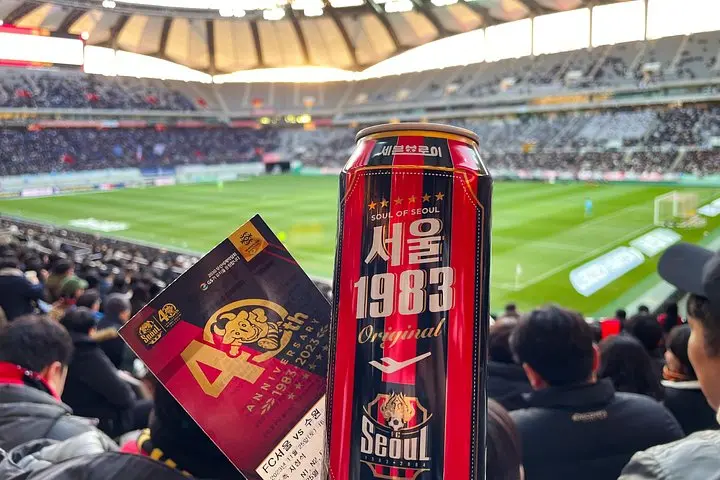
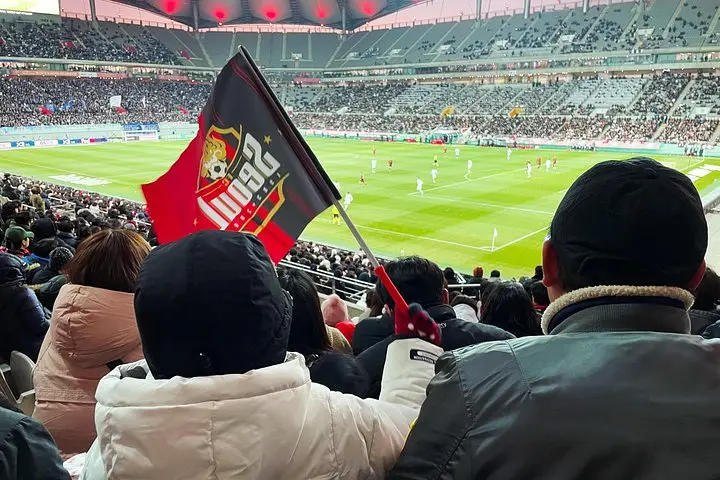
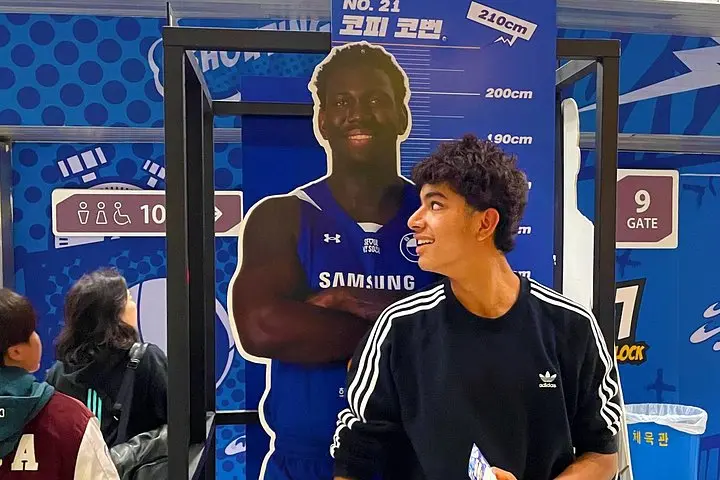
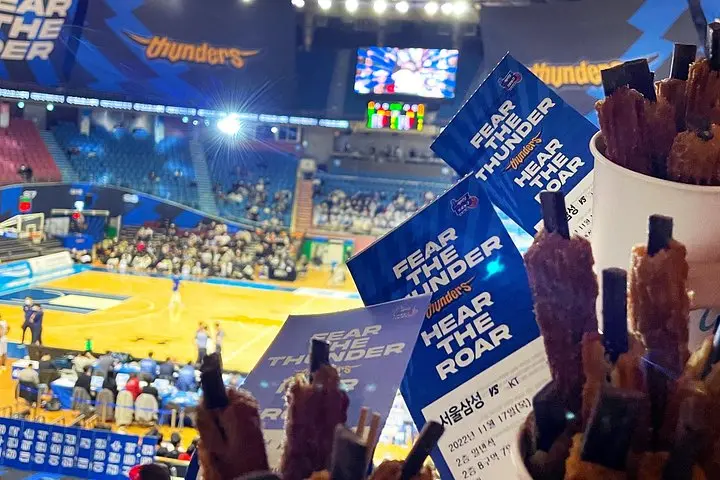
A neon-lit concourse, the thump of a bassline, and a stadium full of synchronized clapping—this is Seoul on match night. You meet your guide at a local restaurant, share a brisk spread of Korean fried chicken or grill your own slices of samgyeopsal, then move with the crowd toward the stadium where chants and cheerleaders pull everyone into the performance.
A neon-lit concourse, the thump of a bassline, and a stadium full of synchronized clapping—this is Seoul on match night. You meet your guide at a local restaurant, share a brisk spread of Korean fried chicken or grill your own slices of samgyeopsal, then move with the crowd toward the stadium where chants and cheerleaders pull everyone into the performance.
Modern Korean sports culture grew alongside professional leagues—baseball’s KBO since 1982 and international soccer’s spike after the 2002 World Cup—and Seoul’s stadiums (Jamsil, World Cup Stadium and others) are stages for that civic enthusiasm. The city itself, carved by the Han River and ringed by low granite ridges, funnels people into concentrated entertainment corridors where late-night bars and pojangmacha (street stalls) hum long after the final whistle.
Expect a dense sensory mix: drums and chant leaders steering crowd songs, stadium vendors selling beer and tteokbokki, and pockets of K-pop-style cheering squads elevating the tempo. The guide helps translate chants, get seats quickly, and point out local rituals like coordinated banners and post-game bar crawls.
Practical guidance: arrive 30–60 minutes early to enjoy the pre-game meal and avoid entry lines; use Seoul’s subway for the fastest access; carry a charged phone and some cash for small food stalls. If you want to blend in, wear team colors, follow local cheering etiquette, and plan to stay late—Seoul’s nightlife around stadiums is part of the show.