THE ADVENTURE COLLECTIVE® · Independent discovery and booking for outdoor travel

Trace Seoul’s modern democratic moments from the market stalls of Gwangjang to the ceremonial courts of Gyeongbokgung. This seven-hour tour pairs street-level food culture with the plazas and palaces where K-democracy took shape.
Trace Seoul’s modern democratic moments from the market stalls of Gwangjang to the ceremonial courts of Gyeongbokgung. This seven-hour tour pairs street-level food culture with the plazas and palaces where K-democracy took shape.
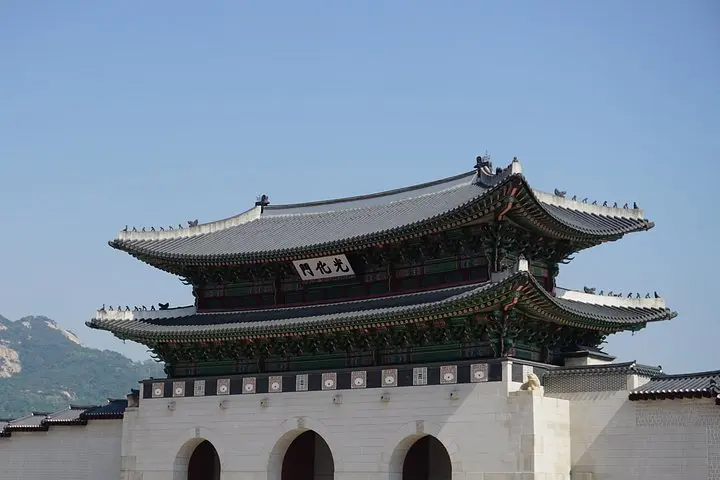
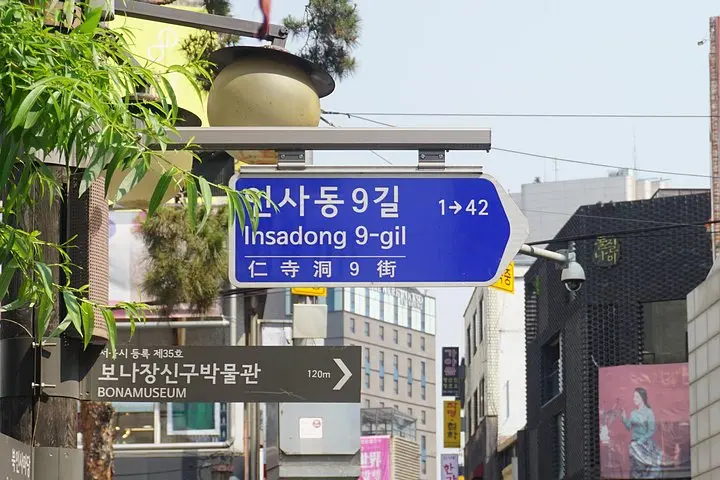
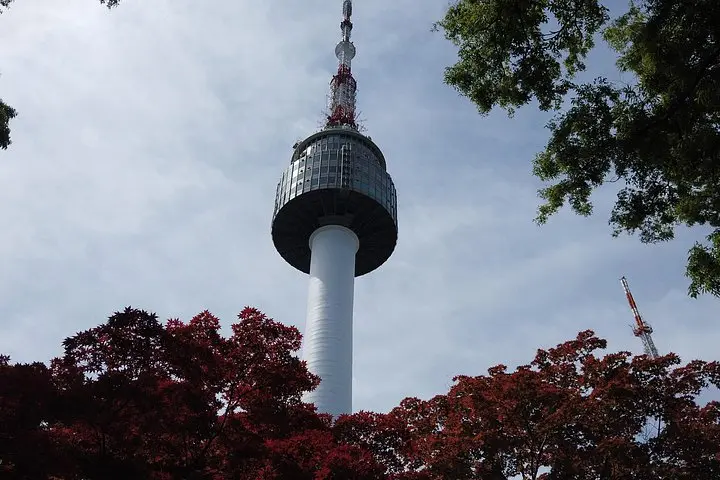
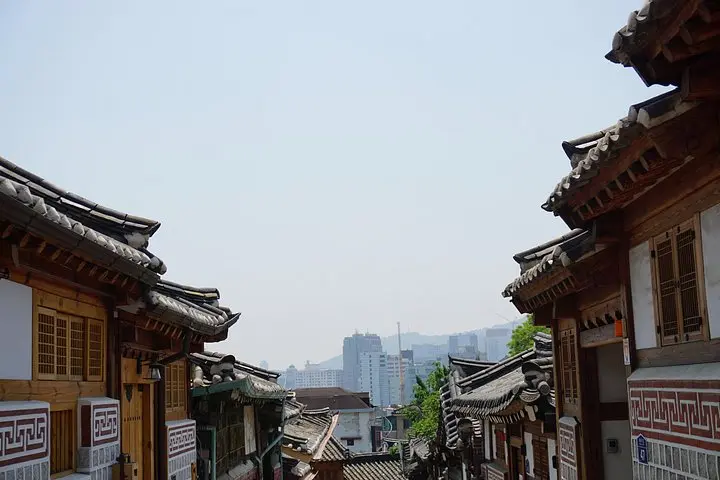
Stand at a stall in Gwangjang Market and the city speaks in textures: sizzling bindaetteok, the rattle of chopsticks, and vendors who have traded here for over a century. This full-day tour threads those market alleys to the formal courts of Gyeongbokgung (or Changdeokgung on Tuesdays), past the blue roofs of Cheong Wa Dae, and into the wooden-laned Bukchon Hanok Village, closing with the rhythmic, nonverbal shock of a Nanta performance.
Verified experiences and guided adventures in the surrounding area.
Operated by OnedayKorea · Seoul, Seoul
Stand at a stall in Gwangjang Market and the city speaks in textures: sizzling bindaetteok, the rattle of chopsticks, and vendors who have traded here for over a century. This full-day tour threads those market alleys to the formal courts of Gyeongbokgung (or Changdeokgung on Tuesdays), past the blue roofs of Cheong Wa Dae, and into the wooden-laned Bukchon Hanok Village, closing with the rhythmic, nonverbal shock of a Nanta performance.
Seoul’s modern democratic story is visible in its streets. Gwangjang Market grew under colonial pressure and later became a hub of civic life; nearby plazas and university neighborhoods were theaters for the April 1960 and June 1987 protests that reshaped Korea’s government. The geology—granite ridges and low peaks like Bugaksan—frames these urban spaces and has long influenced settlement and palace siting.
Culturally, the day balances ceremonial ritual and popular life: a royal guard changing ceremony re-creates Joseon-era pageantry while Bukchon’s hanok remain lived-in homes, not stage sets. Expect straightforward walking on paved streets with short stair sections and narrow alleys; the pace is steady across roughly seven hours with hotel pickup included.
Practical guidance: bring comfortable walking shoes, a light rain layer in spring/fall, and a portable charger for photos and transit apps. If you visit on a Tuesday, the itinerary swaps palaces, so check the schedule. Keep noise and foot traffic respectful in residential hanok areas, and budget time for crowds at market lunch and the palace grounds.
Yes—transportation and surfaces are listed as wheelchair accessible; some palace grounds and hanok alleys may have limited access—notify the operator of needs in advance.
On Tuesdays Gyeongbokgung is closed and the itinerary substitutes Changdeokgung Palace and its royal guard ceremony as applicable.
Yes—lunch at Gwangjang Market is included and offers a chance to sample traditional street food, with options for different dietary needs if requested ahead of booking.
The tour runs with a minimum of three participants and a maximum of eight; minimum age is 12 years.
OnedayKorea operates guided outdoor trips and adventures with an emphasis on safety, stewardship, and memorable experiences.
Stand at a stall in Gwangjang Market and the city speaks in textures: sizzling bindaetteok, the rattle of chopsticks, and vendors who have traded here for over a century. This full-day tour threads those market alleys to the formal courts of Gyeongbokgung (or Changdeokgung on Tuesdays), past the blue roofs of Cheong Wa Dae, and into the wooden-laned Bukchon Hanok Village, closing with the rhythmic, nonverbal shock of a Nanta performance.
Stand at a stall in Gwangjang Market and the city speaks in textures: sizzling bindaetteok, the rattle of chopsticks, and vendors who have traded here for over a century. This full-day tour threads those market alleys to the formal courts of Gyeongbokgung (or Changdeokgung on Tuesdays), past the blue roofs of Cheong Wa Dae, and into the wooden-laned Bukchon Hanok Village, closing with the rhythmic, nonverbal shock of a Nanta performance.
Seoul’s modern democratic story is visible in its streets. Gwangjang Market grew under colonial pressure and later became a hub of civic life; nearby plazas and university neighborhoods were theaters for the April 1960 and June 1987 protests that reshaped Korea’s government. The geology—granite ridges and low peaks like Bugaksan—frames these urban spaces and has long influenced settlement and palace siting.
Culturally, the day balances ceremonial ritual and popular life: a royal guard changing ceremony re-creates Joseon-era pageantry while Bukchon’s hanok remain lived-in homes, not stage sets. Expect straightforward walking on paved streets with short stair sections and narrow alleys; the pace is steady across roughly seven hours with hotel pickup included.
Practical guidance: bring comfortable walking shoes, a light rain layer in spring/fall, and a portable charger for photos and transit apps. If you visit on a Tuesday, the itinerary swaps palaces, so check the schedule. Keep noise and foot traffic respectful in residential hanok areas, and budget time for crowds at market lunch and the palace grounds.