THE ADVENTURE COLLECTIVE® · Independent discovery and booking for outdoor travel

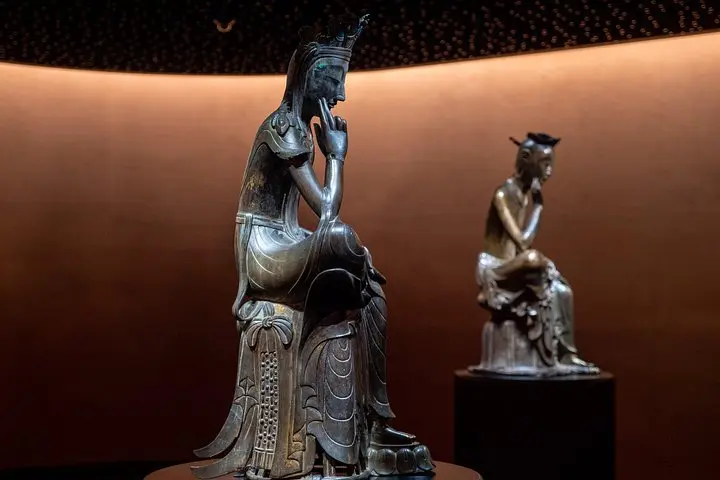
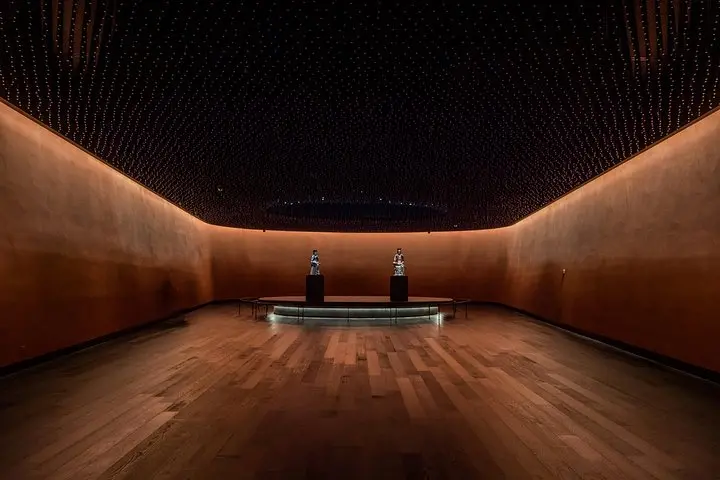
Walk through Korea’s artistic past at the National Museum of Korea. This two-hour guided tour covers metal craft, ceramics, Buddhist sculpture and painting, ending in the Room of Quiet Contemplation with the Pensive Bodhisattva.
Walk through Korea’s artistic past at the National Museum of Korea. This two-hour guided tour covers metal craft, ceramics, Buddhist sculpture and painting, ending in the Room of Quiet Contemplation with the Pensive Bodhisattva.
You step from the bright Seoul sunlight into a dim corridor and the museum’s air shifts: cooler, quieter, alive with the close attention of centuries. The hush gives weight to bronze glints and the muted glaze of pottery; wooden robes of Buddhist icons seem to breathe in the low light. The tour leads you through halls where craft, faith and daily life intersect.
Verified experiences and guided adventures in the surrounding area.
Operated by koreaguidetour · Seoul, Seoul
You step from the bright Seoul sunlight into a dim corridor and the museum’s air shifts: cooler, quieter, alive with the close attention of centuries. The hush gives weight to bronze glints and the muted glaze of pottery; wooden robes of Buddhist icons seem to breathe in the low light. The tour leads you through halls where craft, faith and daily life intersect.
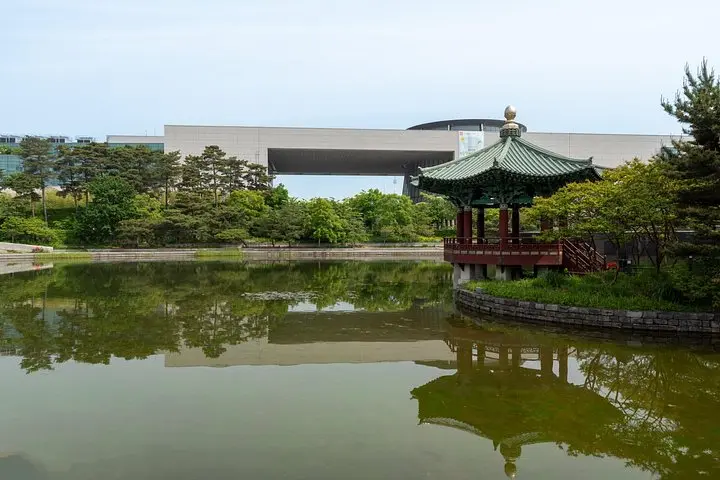
The National Museum of Korea traces a modern history as well as an ancient one: founded after liberation in 1945 and moved to its Yongsan home in 2005, it gathers objects that span millennia. Geology shows up in unexpected places — the iron-rich soils and ceramic clays of the Korean peninsula shape glaze colors and vessel forms — while metalwork charts changes in social authority and technology. The Buddhist sculpture and painting galleries map religious practice and court patronage from Goryeo to Joseon.
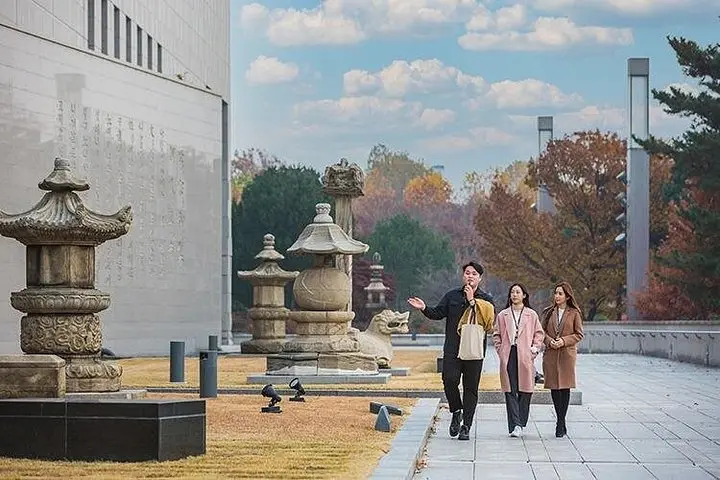
Locals often pause in the Room of Quiet Contemplation, face-to-face with the Pensive Bodhisattva, or stroll the outdoor sculpture garden adjacent to the main complex. Guides explain techniques — hammer, wheel, kiln — and the cultural contexts that made them.
Practical guide: allow two hours, wear comfortable shoes for gallery walking, and arrive via Seoul’s subway (Ichon Station). Tours include admission and a licensed guide; photography policies vary by gallery so check before shooting. If you need quieter moments, head early weekday mornings. Bring a small bottle of water and a charged phone for digital tickets — the museum’s layout rewards slow movement and close looking.
Yes — the tour price includes the museum admission fee as noted in the inclusions.
Take Seoul Subway Line 4 to Ichon Station (Exit 2) or Line 1 to Yongsan and follow signs; the museum is within short walking distance.
The museum provides accessible entrances and elevators, but some historic exhibits may have limited access—contact staff in advance for specific accommodations.
Photography rules vary by gallery and object; non-flash photography is generally allowed in many halls but always look for posted restrictions and ask staff.
koreaguidetour operates guided outdoor trips and adventures with an emphasis on safety, stewardship, and memorable experiences.
You step from the bright Seoul sunlight into a dim corridor and the museum’s air shifts: cooler, quieter, alive with the close attention of centuries. The hush gives weight to bronze glints and the muted glaze of pottery; wooden robes of Buddhist icons seem to breathe in the low light. The tour leads you through halls where craft, faith and daily life intersect.
You step from the bright Seoul sunlight into a dim corridor and the museum’s air shifts: cooler, quieter, alive with the close attention of centuries. The hush gives weight to bronze glints and the muted glaze of pottery; wooden robes of Buddhist icons seem to breathe in the low light. The tour leads you through halls where craft, faith and daily life intersect.
The National Museum of Korea traces a modern history as well as an ancient one: founded after liberation in 1945 and moved to its Yongsan home in 2005, it gathers objects that span millennia. Geology shows up in unexpected places — the iron-rich soils and ceramic clays of the Korean peninsula shape glaze colors and vessel forms — while metalwork charts changes in social authority and technology. The Buddhist sculpture and painting galleries map religious practice and court patronage from Goryeo to Joseon.
Locals often pause in the Room of Quiet Contemplation, face-to-face with the Pensive Bodhisattva, or stroll the outdoor sculpture garden adjacent to the main complex. Guides explain techniques — hammer, wheel, kiln — and the cultural contexts that made them.
Practical guide: allow two hours, wear comfortable shoes for gallery walking, and arrive via Seoul’s subway (Ichon Station). Tours include admission and a licensed guide; photography policies vary by gallery so check before shooting. If you need quieter moments, head early weekday mornings. Bring a small bottle of water and a charged phone for digital tickets — the museum’s layout rewards slow movement and close looking.