THE ADVENTURE COLLECTIVE® · Independent discovery and booking for outdoor travel

Walk Jongno’s night streets and taste Korea’s culinary customs on a curated 3–4 hour small-group tour. From tabletop pork barbecue and makgeolli in a jumak to dumplings and Ikseon-dong sweets, this route offers authentic, local-first bites and practical dining lessons.
Walk Jongno’s night streets and taste Korea’s culinary customs on a curated 3–4 hour small-group tour. From tabletop pork barbecue and makgeolli in a jumak to dumplings and Ikseon-dong sweets, this route offers authentic, local-first bites and practical dining lessons.
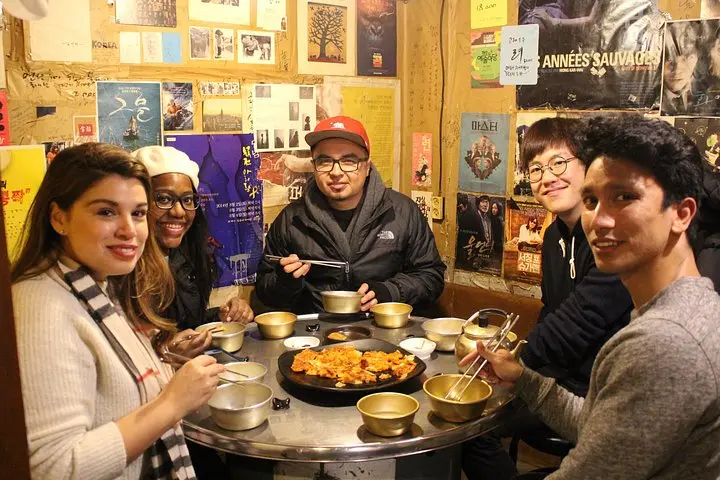
Steam and charcoal hang in the air as neon signs sharpen into a scattered constellation above Jongno’s narrow alleys. You step from the subway into a street where sizzling pork belly and the clink of soju glasses set the tempo; a guide leads your small group through four hand-picked stops, each a different voice in Seoul’s evening chorus.
Verified experiences and guided adventures in the surrounding area.
Operated by Ongo Food Communications · Seoul, Seoul
Steam and charcoal hang in the air as neon signs sharpen into a scattered constellation above Jongno’s narrow alleys. You step from the subway into a street where sizzling pork belly and the clink of soju glasses set the tempo; a guide leads your small group through four hand-picked stops, each a different voice in Seoul’s evening chorus.
Jongno-gu sits at the historic heart of Seoul — once a corridor of government offices and scholar’s tea houses, now a living blend of hanok courtyards and 20th-century grit. Ikseon-dong’s low-rise hanok lanes survived modernization and now host inventive cafés and ice-cream shops inside traditional wooden frames. Culinary influences range from Joseon-era communal dining to Japanese and modern Korean twists, visible in the gochujang, grill technique and rice-wine (makgeolli) pours.
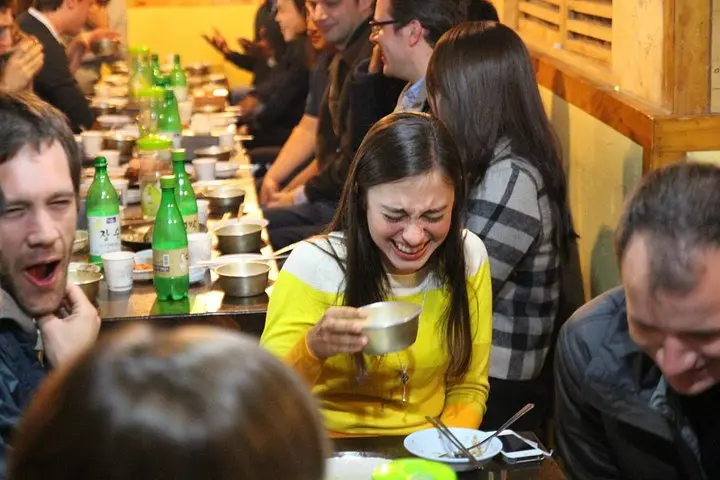
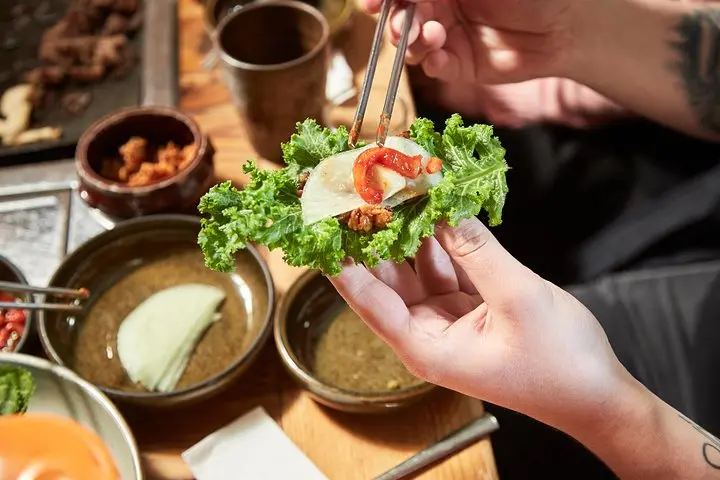
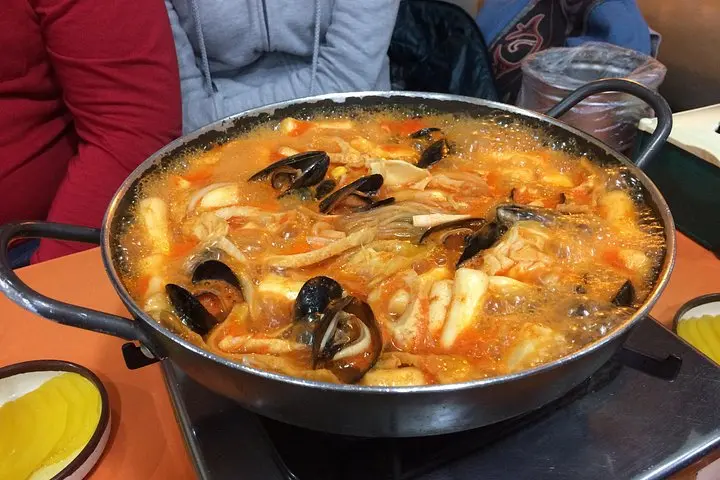
Expect a practical, sensory route: a 40-minute sit-down Korean BBQ (samgyeopsal or soy-marinated pork) around a tabletop grill; a loud, convivial jumak for bindaetteok (mungbean pancake) and makgeolli; street dumpling bites; and a sweet finish in Ikseon-dong with bingsu or artisanal ice cream. Guides teach dining etiquette — when to share, how to pour, and how to order a bomb shot respectfully.
Practical notes: the tour walks moderate distances across uneven pavements, lasts roughly 3–4 hours, and includes alcoholic tastings (legal age 18). Wear comfortable shoes, carry a T‑money transit card or small cash for extras, and pace alcohol between bites. The evening rewards curiosity: each dish is a doorway into Seoul’s layered food story.
Alcoholic tastings such as soju and traditional rice wine are included; the legal drinking age in South Korea is 18.
Guides can usually arrange vegetarian stops if informed in advance, but notify booking about dietary restrictions so substitutions can be prepared.
Meeting is typically in central Jongno (close to subway stations); public transport is abundant and the tour is accessible by subway and bus.
Children aged 5 and under ride free and are welcome, but parents should note there is alcohol sampling and moderate walking involved.
Ongo Food Communications operates guided outdoor trips and adventures with an emphasis on safety, stewardship, and memorable experiences.
Steam and charcoal hang in the air as neon signs sharpen into a scattered constellation above Jongno’s narrow alleys. You step from the subway into a street where sizzling pork belly and the clink of soju glasses set the tempo; a guide leads your small group through four hand-picked stops, each a different voice in Seoul’s evening chorus.
Steam and charcoal hang in the air as neon signs sharpen into a scattered constellation above Jongno’s narrow alleys. You step from the subway into a street where sizzling pork belly and the clink of soju glasses set the tempo; a guide leads your small group through four hand-picked stops, each a different voice in Seoul’s evening chorus.
Jongno-gu sits at the historic heart of Seoul — once a corridor of government offices and scholar’s tea houses, now a living blend of hanok courtyards and 20th-century grit. Ikseon-dong’s low-rise hanok lanes survived modernization and now host inventive cafés and ice-cream shops inside traditional wooden frames. Culinary influences range from Joseon-era communal dining to Japanese and modern Korean twists, visible in the gochujang, grill technique and rice-wine (makgeolli) pours.
Expect a practical, sensory route: a 40-minute sit-down Korean BBQ (samgyeopsal or soy-marinated pork) around a tabletop grill; a loud, convivial jumak for bindaetteok (mungbean pancake) and makgeolli; street dumpling bites; and a sweet finish in Ikseon-dong with bingsu or artisanal ice cream. Guides teach dining etiquette — when to share, how to pour, and how to order a bomb shot respectfully.
Practical notes: the tour walks moderate distances across uneven pavements, lasts roughly 3–4 hours, and includes alcoholic tastings (legal age 18). Wear comfortable shoes, carry a T‑money transit card or small cash for extras, and pace alcohol between bites. The evening rewards curiosity: each dish is a doorway into Seoul’s layered food story.