THE ADVENTURE COLLECTIVE® · Independent discovery and booking for outdoor travel

Walk the actual filming locations from the Oscar‑winning film Parasite on this 4–5 hour half‑day tour of Seoul. Visit Woori Super, the famous stairways, Seongbuk‑dong contrasts and finish with a panoramic view from Bukak Skyway.
Walk the actual filming locations from the Oscar‑winning film Parasite on this 4–5 hour half‑day tour of Seoul. Visit Woori Super, the famous stairways, Seongbuk‑dong contrasts and finish with a panoramic view from Bukak Skyway.
You step from an air‑conditioned van into a narrow alley where concrete steps climb like a physical argument — each riser a reminder of the social tiers that shape modern Seoul. The tour threads through low‑slung semi‑basement neighborhoods and up toward Seongbuk‑dong’s quiet streets, finishing with a skyline glance from Bukak Skyway that lets the city speak in elevation.
Verified experiences and guided adventures in the surrounding area.
Operated by Cosmojin Agency · Seoul, Seoul
You step from an air‑conditioned van into a narrow alley where concrete steps climb like a physical argument — each riser a reminder of the social tiers that shape modern Seoul. The tour threads through low‑slung semi‑basement neighborhoods and up toward Seongbuk‑dong’s quiet streets, finishing with a skyline glance from Bukak Skyway that lets the city speak in elevation.
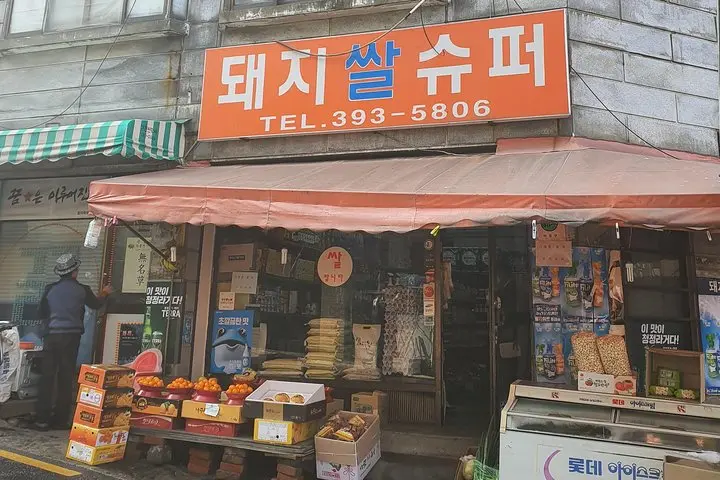
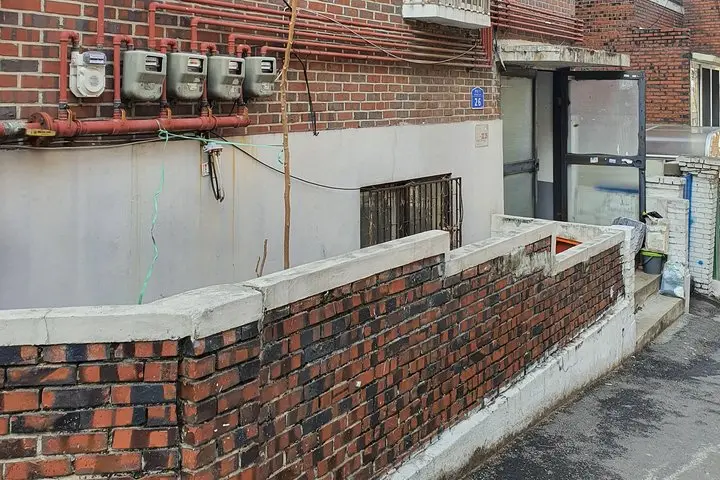
Parasite used real urban textures: banjiha (semi‑basement) dwellings, cramped corner shops and the stark stairways that visually separate neighborhoods. The film’s locations are spread across central Seoul; they reveal rapid urban expansion, a mix of Joseon‑era lanes and postwar concrete growth, and the everyday commerce that keeps districts alive. Woori Super — a small, everyday grocer — becomes a cultural touchpoint where locals still shop and chat. Bukak Skyway, constructed as a scenic route, offers geological context: ridgelines and outcrops framing a basin that Seoul filled with concrete and infrastructure.
Practical guidance: this is a 4–5 hour, mostly urban walking tour with intermittent van transfers. Expect many stairs, uneven sidewalks and short bursts of standing. Wear grippy shoes, bring water and small bills for snacks or gifts at Woori Super and the local specialty stop. Photography is welcome, but be respectful at residential sites and avoid entering private property.
Timing matters — mornings are cooler and less crowded; late afternoons give better light at Bukak Skyway. The guide’s English narration connects scenes to social history, making the tour as much about place and people as about cinema.
Typical meeting is at President Hotel lobby in central Seoul with drop‑off at Hongik University Station; confirm times in your booking voucher.
No — the itinerary includes multiple stairways and uneven paths and is not suitable for wheelchair users.
Yes — it’s an operating neighborhood shop. Small purchases are welcome and support local vendors.
Yes — an English guide provides background on filming locations and the social themes the movie explores.
Cosmojin Agency operates guided outdoor trips and adventures with an emphasis on safety, stewardship, and memorable experiences.
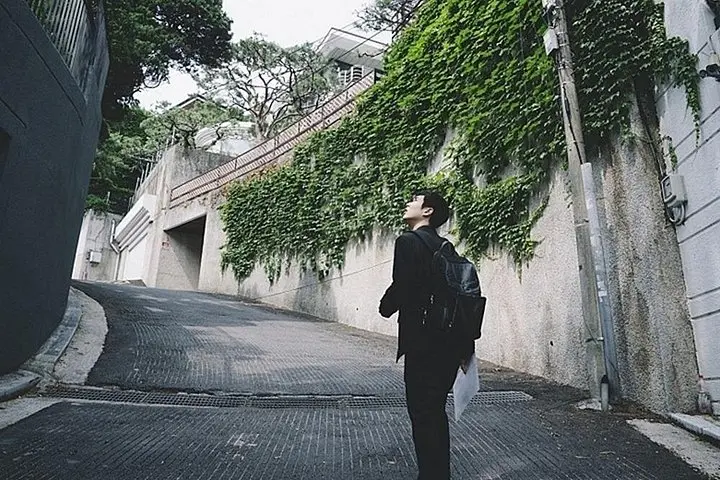
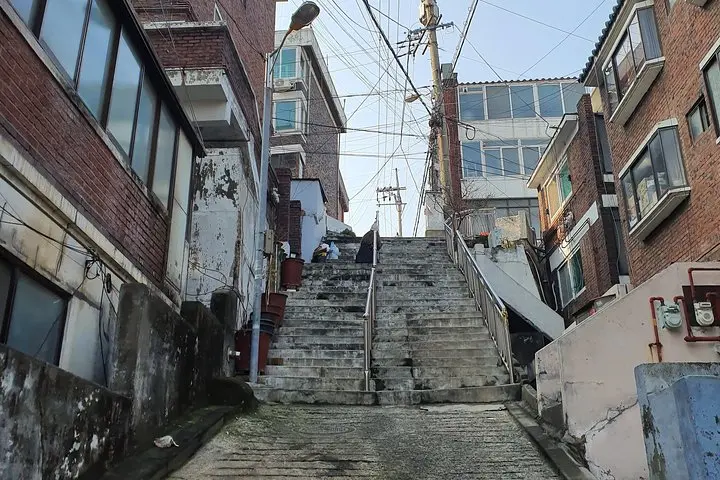
You step from an air‑conditioned van into a narrow alley where concrete steps climb like a physical argument — each riser a reminder of the social tiers that shape modern Seoul. The tour threads through low‑slung semi‑basement neighborhoods and up toward Seongbuk‑dong’s quiet streets, finishing with a skyline glance from Bukak Skyway that lets the city speak in elevation.
You step from an air‑conditioned van into a narrow alley where concrete steps climb like a physical argument — each riser a reminder of the social tiers that shape modern Seoul. The tour threads through low‑slung semi‑basement neighborhoods and up toward Seongbuk‑dong’s quiet streets, finishing with a skyline glance from Bukak Skyway that lets the city speak in elevation.
Parasite used real urban textures: banjiha (semi‑basement) dwellings, cramped corner shops and the stark stairways that visually separate neighborhoods. The film’s locations are spread across central Seoul; they reveal rapid urban expansion, a mix of Joseon‑era lanes and postwar concrete growth, and the everyday commerce that keeps districts alive. Woori Super — a small, everyday grocer — becomes a cultural touchpoint where locals still shop and chat. Bukak Skyway, constructed as a scenic route, offers geological context: ridgelines and outcrops framing a basin that Seoul filled with concrete and infrastructure.
Practical guidance: this is a 4–5 hour, mostly urban walking tour with intermittent van transfers. Expect many stairs, uneven sidewalks and short bursts of standing. Wear grippy shoes, bring water and small bills for snacks or gifts at Woori Super and the local specialty stop. Photography is welcome, but be respectful at residential sites and avoid entering private property.
Timing matters — mornings are cooler and less crowded; late afternoons give better light at Bukak Skyway. The guide’s English narration connects scenes to social history, making the tour as much about place and people as about cinema.