THE ADVENTURE COLLECTIVE® · Independent discovery and booking for outdoor travel

Learn how to pipe delicate soy-cream petals and assemble a whole flower cake in a focused 3-hour class in Seoul. Small groups, bilingual instruction, and a finished cake to take home make this a hands-on taste of contemporary Korean pastry craft.
Learn how to pipe delicate soy-cream petals and assemble a whole flower cake in a focused 3-hour class in Seoul. Small groups, bilingual instruction, and a finished cake to take home make this a hands-on taste of contemporary Korean pastry craft.
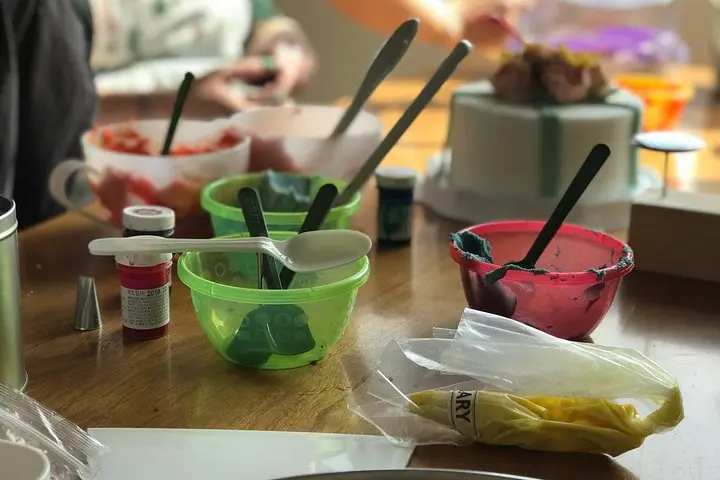
You step into a compact Seoul studio and the room smells of warm sugar and toasted soy — a polite, persistent scent that promises precision rather than excess. Workstations are small, tools neatly arranged; sunlight from a street-side window cuts across a table where petals are about to be coaxed from soft cream.
Verified experiences and guided adventures in the surrounding area.
Operated by Geebe · Seoul, Seoul
You step into a compact Seoul studio and the room smells of warm sugar and toasted soy — a polite, persistent scent that promises precision rather than excess. Workstations are small, tools neatly arranged; sunlight from a street-side window cuts across a table where petals are about to be coaxed from soft cream.
Korean confectionery has long balanced texture and restraint: traditional hangwa and tteok emphasize subtle sweetness and ceremony, while modern Seoul patisseries borrow French technique and local ingredients. Soy cream, made from soy milk, arrives here as a plant-based alternative that holds fine edges for petal work and suits contemporary dietary choices. The class combines that modern pastry language with Korean aesthetic restraint — thin, angled petals, careful color matching, and tidy arrangement.
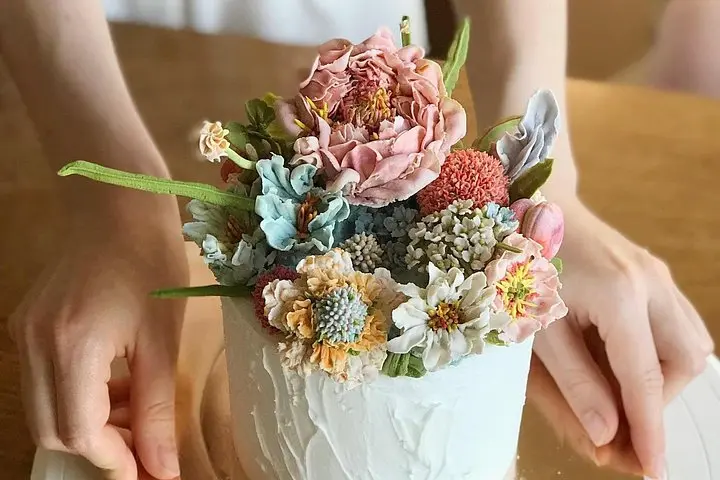
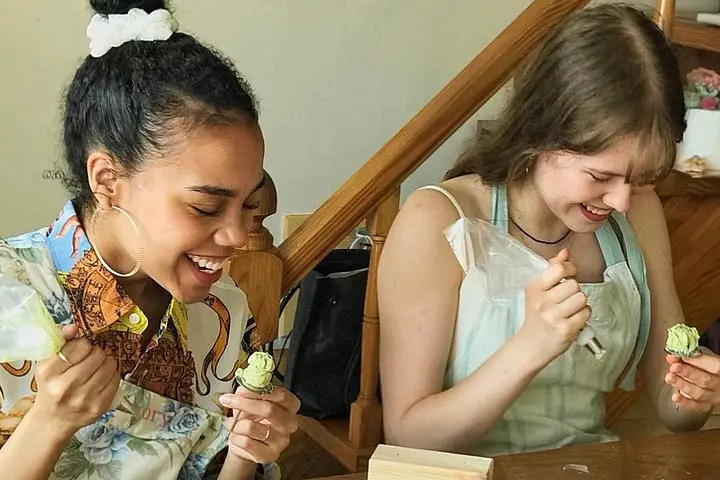
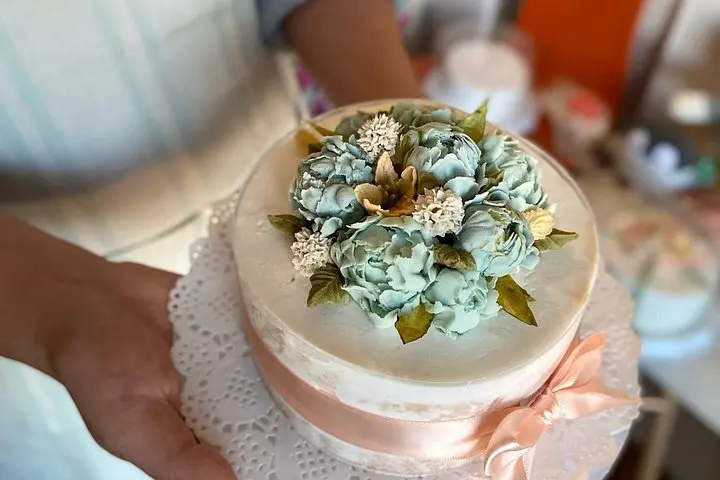
The session runs up to three hours in a small-group setting (typically up to four), led bilingually in Korean and English. Expect hands-on demos: making main and support flowers, leaves and stems, arranging a complete 6–8 inch sheet cake, and a short photoshoot. You leave with a finished cake and the muscle memory to recreate petals at home.
Practical notes: wear clothes you don’t mind getting frosting on (aprons are provided), notify the instructor of allergies before booking (soy is used), and plan cake transport — a small insulated box is useful in warm months. Bookings require a DM confirmation to finalize; the host prefers direct contact before reservations. For first-timers the pace is patient but deliberate, rewarding careful hands and steady focus.
No—this class is designed for beginners and 98% of participants are first-timers; instruction is step-by-step and paced for newcomers.
The soy cream itself is plant-based, but the cake base used in class is a standard sheet cake with dairy—request alternatives in advance if you need a fully vegan base.
Bring an insulated box or small cooler and keep the cake level; avoid leaving it in a hot car and use public transport or a short ride share when possible.
Message the host directly (Instagram @geebecake) or email before booking so the instructor can verify your spot—bookings remain pending without that confirmation.
Geebe operates guided outdoor trips and adventures with an emphasis on safety, stewardship, and memorable experiences.
You step into a compact Seoul studio and the room smells of warm sugar and toasted soy — a polite, persistent scent that promises precision rather than excess. Workstations are small, tools neatly arranged; sunlight from a street-side window cuts across a table where petals are about to be coaxed from soft cream.
You step into a compact Seoul studio and the room smells of warm sugar and toasted soy — a polite, persistent scent that promises precision rather than excess. Workstations are small, tools neatly arranged; sunlight from a street-side window cuts across a table where petals are about to be coaxed from soft cream.
Korean confectionery has long balanced texture and restraint: traditional hangwa and tteok emphasize subtle sweetness and ceremony, while modern Seoul patisseries borrow French technique and local ingredients. Soy cream, made from soy milk, arrives here as a plant-based alternative that holds fine edges for petal work and suits contemporary dietary choices. The class combines that modern pastry language with Korean aesthetic restraint — thin, angled petals, careful color matching, and tidy arrangement.
The session runs up to three hours in a small-group setting (typically up to four), led bilingually in Korean and English. Expect hands-on demos: making main and support flowers, leaves and stems, arranging a complete 6–8 inch sheet cake, and a short photoshoot. You leave with a finished cake and the muscle memory to recreate petals at home.
Practical notes: wear clothes you don’t mind getting frosting on (aprons are provided), notify the instructor of allergies before booking (soy is used), and plan cake transport — a small insulated box is useful in warm months. Bookings require a DM confirmation to finalize; the host prefers direct contact before reservations. For first-timers the pace is patient but deliberate, rewarding careful hands and steady focus.