THE ADVENTURE COLLECTIVE® · Independent discovery and booking for outdoor travel

Spend a day tracing Joseon-era Seoul across palaces, hanok lanes, a temple and a centuries-old market. This private Gangbuk tour blends architectural insight with street-food stops and accessible walking sections.
Spend a day tracing Joseon-era Seoul across palaces, hanok lanes, a temple and a centuries-old market. This private Gangbuk tour blends architectural insight with street-food stops and accessible walking sections.
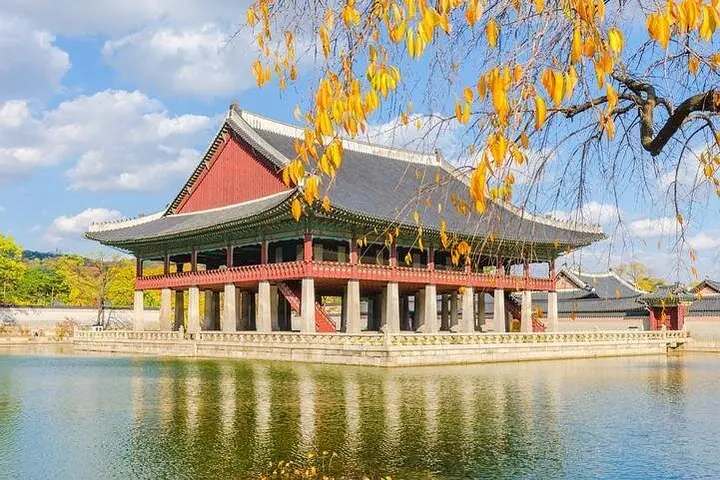
Morning light finds you under a red-tiled palace gate as a guard’s bright robes puncture the courtyard — the city around Gangbuk hums, but here the Joseon era keeps its own tempo.
Verified experiences and guided adventures in the surrounding area.
Operated by KoreanTourGuide · Seoul, Seoul
Morning light finds you under a red-tiled palace gate as a guard’s bright robes puncture the courtyard — the city around Gangbuk hums, but here the Joseon era keeps its own tempo.
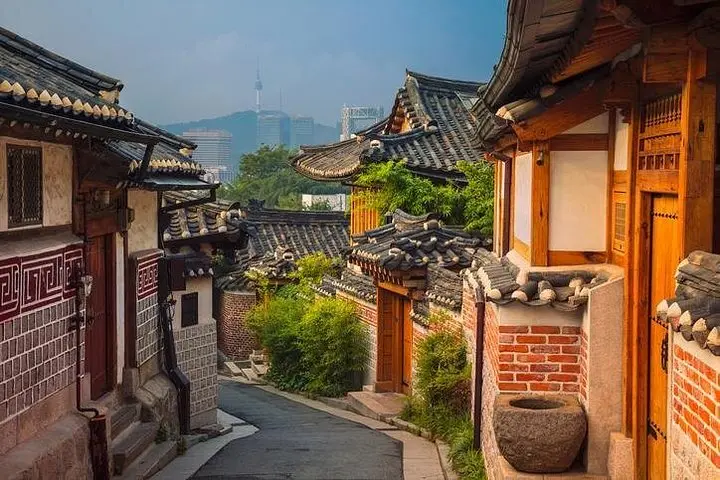
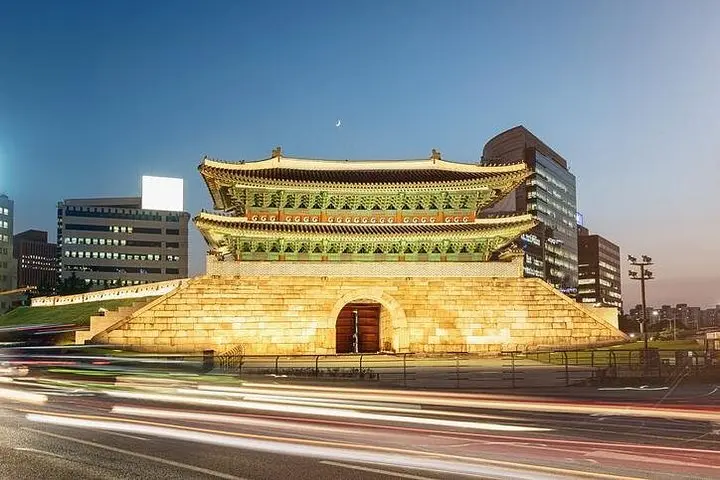
This full-day private tour threads together Gyeongbokgung’s changing-guard ceremony, inner palace architecture, a living hanok village, an antiques alley once home to royal guilds, a historic Buddhist temple, a clear mountain stream, and a 600-year-old market. Expect long wooden eaves, tightly fitted roof tiles, and courtyards arranged around Confucian principles: buildings that direct sightlines and social order as much as shelter.
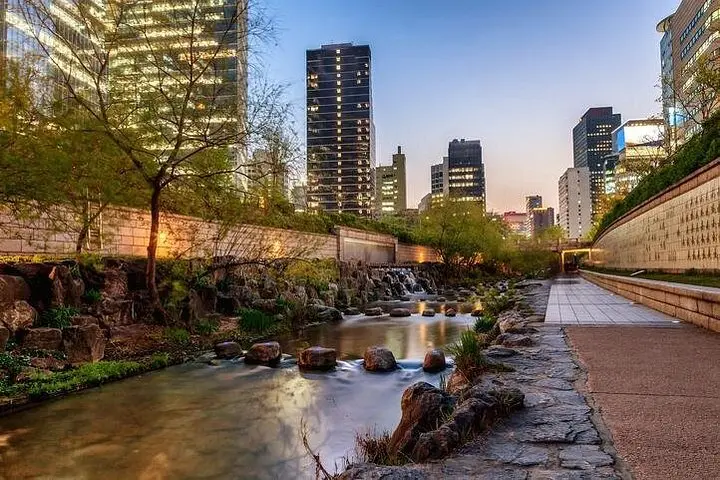
Historically, the Joseon Dynasty (1392–1919) shaped modern Korean etiquette, language reforms and palace arts; Gangbuk remains the geographic archive of that era. Geology is quiet here — low hills and stone-lined streams that channel runoff from Bukhansan — but urban layers have preserved old waterways that still animate temple courtyards and market lanes.
Practical guide: this seven-hour, mostly low-impact tour mixes short walks with vehicle transfers and is wheelchair- and stroller-accessible. Wear comfortable walking shoes and breathable layers; temples and palaces require modest dress and quiet reverence. Bring small bills for street food and market buys, and carry a lightweight umbrella in rainy months. The changing-of-the-guard has set times — plan arrival accordingly if you want prime viewing. Guides will point out architectural details (bracketing, dancheong paintwork) that explain how royal spaces were staged.
Timing your day around the market’s lunch window gives the best street-food sampling; late afternoon light on palace roofs offers the clearest photos. For a focused, historically rich introduction to Seoul’s traditional heart, this route delivers context and texture without tiring your legs.
The tour runs about seven hours and mixes short, easy walks (10–20 minutes at a time) with vehicle transfers between sites.
Yes — the itinerary notes stroller- and wheelchair-accessible options; confirm specific mobility needs at booking so the operator can adapt routes.
The published itinerary indicates admissions are generally not included; check the booking details or bring cash or a card for any entrance fees.
Weekday mornings and late afternoons offer smaller crowds; late afternoon also produces warmer light for photographing palace roofs and alleyways.
KoreanTourGuide operates guided outdoor trips and adventures with an emphasis on safety, stewardship, and memorable experiences.
Morning light finds you under a red-tiled palace gate as a guard’s bright robes puncture the courtyard — the city around Gangbuk hums, but here the Joseon era keeps its own tempo.
Morning light finds you under a red-tiled palace gate as a guard’s bright robes puncture the courtyard — the city around Gangbuk hums, but here the Joseon era keeps its own tempo.
This full-day private tour threads together Gyeongbokgung’s changing-guard ceremony, inner palace architecture, a living hanok village, an antiques alley once home to royal guilds, a historic Buddhist temple, a clear mountain stream, and a 600-year-old market. Expect long wooden eaves, tightly fitted roof tiles, and courtyards arranged around Confucian principles: buildings that direct sightlines and social order as much as shelter.
Historically, the Joseon Dynasty (1392–1919) shaped modern Korean etiquette, language reforms and palace arts; Gangbuk remains the geographic archive of that era. Geology is quiet here — low hills and stone-lined streams that channel runoff from Bukhansan — but urban layers have preserved old waterways that still animate temple courtyards and market lanes.
Practical guide: this seven-hour, mostly low-impact tour mixes short walks with vehicle transfers and is wheelchair- and stroller-accessible. Wear comfortable walking shoes and breathable layers; temples and palaces require modest dress and quiet reverence. Bring small bills for street food and market buys, and carry a lightweight umbrella in rainy months. The changing-of-the-guard has set times — plan arrival accordingly if you want prime viewing. Guides will point out architectural details (bracketing, dancheong paintwork) that explain how royal spaces were staged.
Timing your day around the market’s lunch window gives the best street-food sampling; late afternoon light on palace roofs offers the clearest photos. For a focused, historically rich introduction to Seoul’s traditional heart, this route delivers context and texture without tiring your legs.