THE ADVENTURE COLLECTIVE® · Independent discovery and booking for outdoor travel

Sail the Nile in a traditional Dahabiya on a relaxed 3-night itinerary from Aswan to Luxor, visiting Philae, Kom Ombo, and the temples of Luxor with options for Abu Simbel. Intimate cabins, a sun deck Jacuzzi and guided walks make this a measured, historic river journey.
Sail the Nile in a traditional Dahabiya on a relaxed 3-night itinerary from Aswan to Luxor, visiting Philae, Kom Ombo, and the temples of Luxor with options for Abu Simbel. Intimate cabins, a sun deck Jacuzzi and guided walks make this a measured, historic river journey.
You step aboard a low-profile Dahabiya at dawn, the Nile a sheet of mercury as the crew casts off. Wind fills a single elegant sail; there are no engines thrumming—only the river, the gulls, and the slow arc of palm-fringed banks slipping past. The Merit Dahabiya is small and deliberate: deluxe cabins with panoramic windows, a sun deck with a heated Jacuzzi, and an evening routine of lantern-lit dinners.
Verified experiences and guided adventures in the surrounding area.
Operated by Journey To Egypt · Aswan, Aswan Governorate
You step aboard a low-profile Dahabiya at dawn, the Nile a sheet of mercury as the crew casts off. Wind fills a single elegant sail; there are no engines thrumming—only the river, the gulls, and the slow arc of palm-fringed banks slipping past. The Merit Dahabiya is small and deliberate: deluxe cabins with panoramic windows, a sun deck with a heated Jacuzzi, and an evening routine of lantern-lit dinners.
This route traces Egypt’s living history. Begin in Aswan with Philae Temple and the High Dam, then sail past farming islands to Kom Ombo’s twin shrines and the quiet beaches of Al Ramady and Hor Diab islands. An optional early-morning transfer reaches Abu Simbel’s colossi; the final approach to Luxor includes Esna Lock, Karnak, Luxor Temple, Hatshepsut’s mortuary complex and the Valley of the Kings.
Geology here is Nile-alluvium and exposed Nubian sandstone—low cliffs, cultivated islands and broad floodplain soils that supported millennia of agriculture. Culturally, the trip alternates gentle river rhythms with intense, often stair-stepped temple complexes that demand stable footing and respect for site rules.
Practical guidance: rise early for cooler light and fewer crowds; bring a lightweight daypack, sturdy shoes for uneven temple floors, sun protection and local currency for small purchases and tips. Expect short guided walks at sites, moderate exertion, and some transfers by minivan or shuttle for excursions like Abu Simbel. Security and navigation can alter the schedule; itineraries are subject to change. Travel prepared, hydrated, and curious—this is slow travel through the corridor that shaped ancient civilization.
Most travelers require an Egyptian visa—check your nationality-specific requirements and arrange a visa or e-visa before travel when possible.
Abu Simbel is offered as an optional excursion at extra cost and requires an early start and additional transfers; confirm availability and price when booking.
Many sites have uneven stone steps and narrow passageways; accessibility is limited—contact the operator in advance to discuss assistance and alternative arrangements.
Small purchases and tips are typically paid in Egyptian pounds; the ship may accept cards for onboard extras but prefer cash for local markets and transfers.
Journey To Egypt operates guided outdoor trips and adventures with an emphasis on safety, stewardship, and memorable experiences.
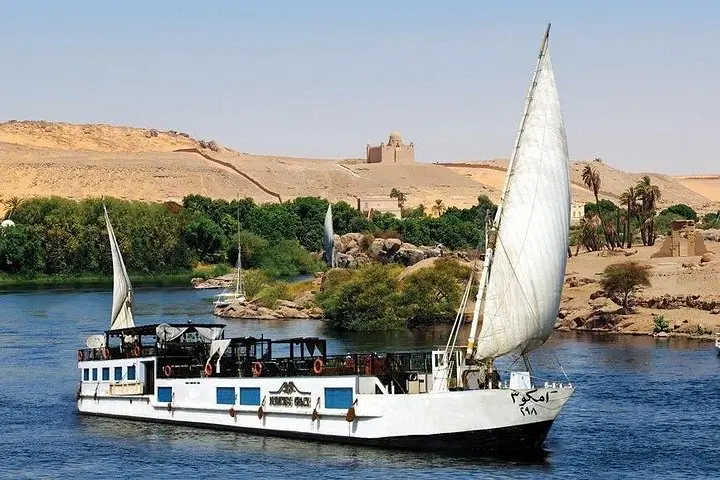
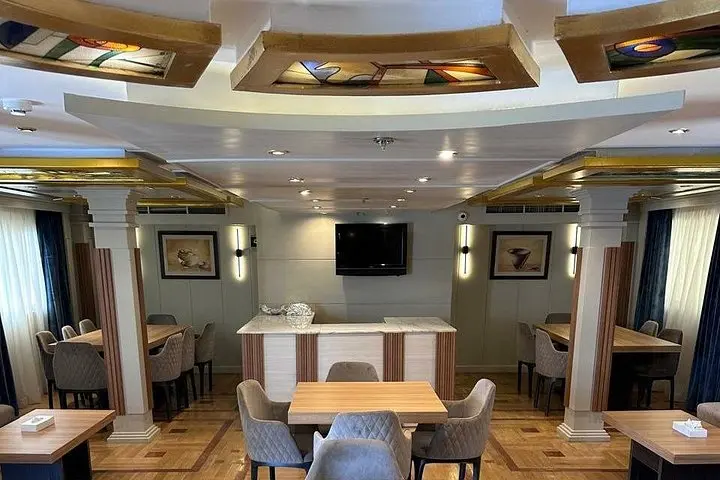
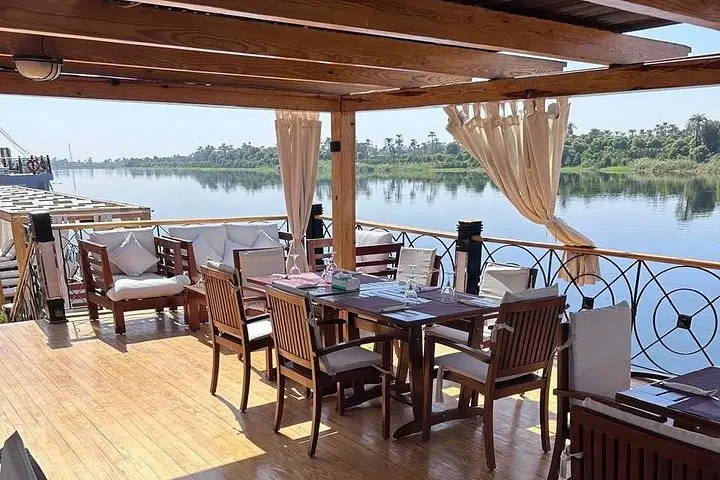
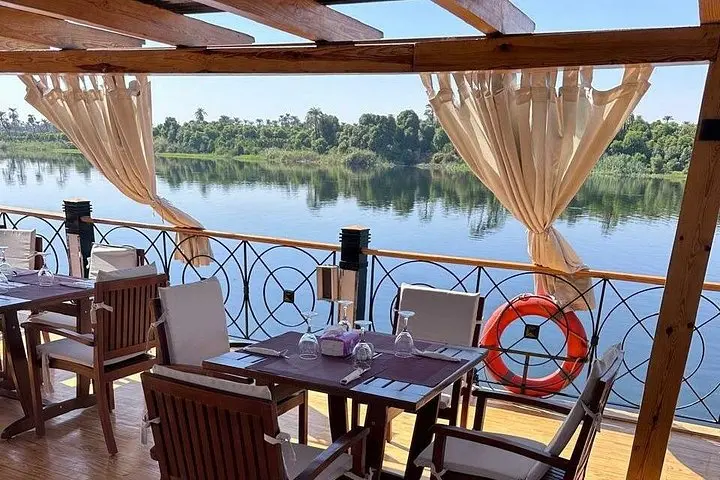
You step aboard a low-profile Dahabiya at dawn, the Nile a sheet of mercury as the crew casts off. Wind fills a single elegant sail; there are no engines thrumming—only the river, the gulls, and the slow arc of palm-fringed banks slipping past. The Merit Dahabiya is small and deliberate: deluxe cabins with panoramic windows, a sun deck with a heated Jacuzzi, and an evening routine of lantern-lit dinners.
You step aboard a low-profile Dahabiya at dawn, the Nile a sheet of mercury as the crew casts off. Wind fills a single elegant sail; there are no engines thrumming—only the river, the gulls, and the slow arc of palm-fringed banks slipping past. The Merit Dahabiya is small and deliberate: deluxe cabins with panoramic windows, a sun deck with a heated Jacuzzi, and an evening routine of lantern-lit dinners.
This route traces Egypt’s living history. Begin in Aswan with Philae Temple and the High Dam, then sail past farming islands to Kom Ombo’s twin shrines and the quiet beaches of Al Ramady and Hor Diab islands. An optional early-morning transfer reaches Abu Simbel’s colossi; the final approach to Luxor includes Esna Lock, Karnak, Luxor Temple, Hatshepsut’s mortuary complex and the Valley of the Kings.
Geology here is Nile-alluvium and exposed Nubian sandstone—low cliffs, cultivated islands and broad floodplain soils that supported millennia of agriculture. Culturally, the trip alternates gentle river rhythms with intense, often stair-stepped temple complexes that demand stable footing and respect for site rules.
Practical guidance: rise early for cooler light and fewer crowds; bring a lightweight daypack, sturdy shoes for uneven temple floors, sun protection and local currency for small purchases and tips. Expect short guided walks at sites, moderate exertion, and some transfers by minivan or shuttle for excursions like Abu Simbel. Security and navigation can alter the schedule; itineraries are subject to change. Travel prepared, hydrated, and curious—this is slow travel through the corridor that shaped ancient civilization.