THE ADVENTURE COLLECTIVE® · Independent discovery and booking for outdoor travel

Spend a day at Serval Wildlife Sanctuary near Kilimanjaro for supervised, close-up encounters with rehabilitated giraffes, zebras, and more. This private, conservation-focused visit pairs hands-on feeding with practical guidance and a short drive from Arusha.
Spend a day at Serval Wildlife Sanctuary near Kilimanjaro for supervised, close-up encounters with rehabilitated giraffes, zebras, and more. This private, conservation-focused visit pairs hands-on feeding with practical guidance and a short drive from Arusha.
Morning light fingers across the dry savanna as a private vehicle rolls off the main road and into shaded compound. You arrive at a fenced sanctuary on Kilimanjaro’s western flank where giraffes loom like watchful strangers, zebras flick their tails, and handlers move with calm, practiced motion. The animals here were orphaned or rescued, raised with human contact, and trained for rehabilitation—so the encounter feels intimate, not wild.
Verified experiences and guided adventures in the surrounding area.
Operated by Discover Africa · Siha, Kilimanjaro Region
Morning light fingers across the dry savanna as a private vehicle rolls off the main road and into shaded compound. You arrive at a fenced sanctuary on Kilimanjaro’s western flank where giraffes loom like watchful strangers, zebras flick their tails, and handlers move with calm, practiced motion. The animals here were orphaned or rescued, raised with human contact, and trained for rehabilitation—so the encounter feels intimate, not wild.
This sanctuary sits within Siha district, an area shaped by volcanic soils from Kilimanjaro’s long geological history; the land is lava-tilled and rich, supporting coffee terraces and acacia-studded grasslands. The project works with TAWA and TAWIRI to rehabilitate animals, blending conservation practice with local livelihoods—Chagga coffee farms and community restaurants punctuate the route back to Arusha.
Expect a well-supervised 90-minute interaction: feeding under guide direction, photo opportunities, and quiet observation of natural behaviors. The rest of the day is travel and a casual lunch at a simple restaurant nearby.
Practical guidance: book a private transfer from Arusha (about a 2-hour drive), bring blocked sun protection and cash for food, and allow travel time for unpaved sections. Respect the rules—no sudden movements around big herbivores or predators—and follow staff directions for feeding and photography. This is a curated, easy-access wildlife visit: great for photographers and families seeking close encounters while supporting local rehabilitation efforts.
The supervised interaction is approximately 1.5 hours, with additional time allocated for travel and lunch—plan for a full-day excursion.
Yes—families are welcome; infants may need to sit on laps during transport and children must be supervised closely during feedings.
The sanctuary cares for a range of species; sightings depend on which individuals are resident and scheduled for interaction. Any predator encounters are strictly controlled by staff.
It is a sanctuary and rehabilitation center that receives orphaned or injured animals in partnership with Tanzanian authorities, with the aim of eventual release when possible.
Discover Africa operates guided outdoor trips and adventures with an emphasis on safety, stewardship, and memorable experiences.
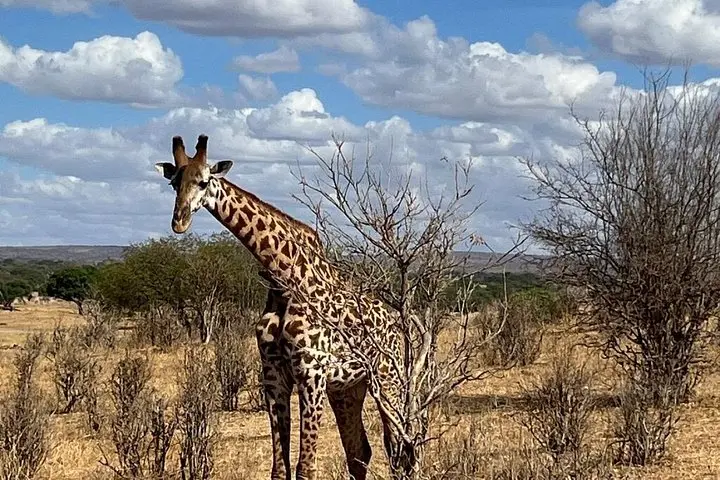

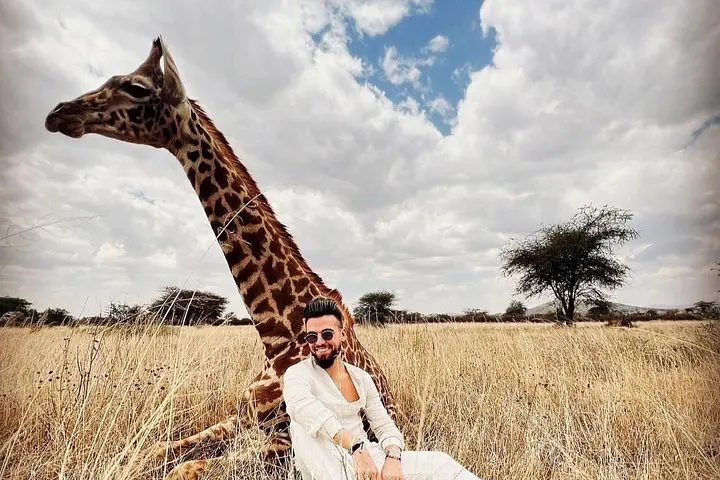
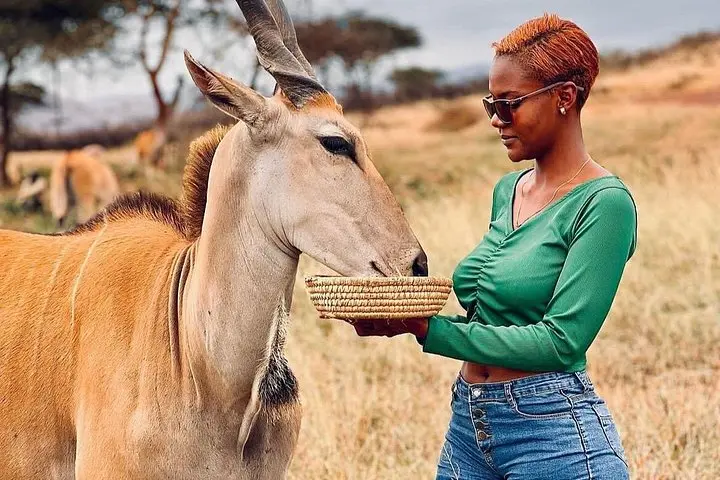
Morning light fingers across the dry savanna as a private vehicle rolls off the main road and into shaded compound. You arrive at a fenced sanctuary on Kilimanjaro’s western flank where giraffes loom like watchful strangers, zebras flick their tails, and handlers move with calm, practiced motion. The animals here were orphaned or rescued, raised with human contact, and trained for rehabilitation—so the encounter feels intimate, not wild.
Morning light fingers across the dry savanna as a private vehicle rolls off the main road and into shaded compound. You arrive at a fenced sanctuary on Kilimanjaro’s western flank where giraffes loom like watchful strangers, zebras flick their tails, and handlers move with calm, practiced motion. The animals here were orphaned or rescued, raised with human contact, and trained for rehabilitation—so the encounter feels intimate, not wild.
This sanctuary sits within Siha district, an area shaped by volcanic soils from Kilimanjaro’s long geological history; the land is lava-tilled and rich, supporting coffee terraces and acacia-studded grasslands. The project works with TAWA and TAWIRI to rehabilitate animals, blending conservation practice with local livelihoods—Chagga coffee farms and community restaurants punctuate the route back to Arusha.
Expect a well-supervised 90-minute interaction: feeding under guide direction, photo opportunities, and quiet observation of natural behaviors. The rest of the day is travel and a casual lunch at a simple restaurant nearby.
Practical guidance: book a private transfer from Arusha (about a 2-hour drive), bring blocked sun protection and cash for food, and allow travel time for unpaved sections. Respect the rules—no sudden movements around big herbivores or predators—and follow staff directions for feeding and photography. This is a curated, easy-access wildlife visit: great for photographers and families seeking close encounters while supporting local rehabilitation efforts.