THE ADVENTURE COLLECTIVE® · Independent discovery and booking for outdoor travel

Spend a day between Setúbal’s bustling fish market, the limestone coves of Arrábida, traditional tile workshops in Azeitão, and the sweeping views from Cristo Rei. This private tour pairs coastal scenery with cultural stops and cellar tastings.
Spend a day between Setúbal’s bustling fish market, the limestone coves of Arrábida, traditional tile workshops in Azeitão, and the sweeping views from Cristo Rei. This private tour pairs coastal scenery with cultural stops and cellar tastings.
A morning in Setúbal starts with salt on the air and the Sado estuary pulling the eye toward a flat horizon where dolphins sometimes break the surface—the town’s port still guides the rhythm of local life. The tour moves from market stalls piled with fresh fish to the narrow lanes of Azeitão, where ceramic dust and grape scents announce a different craft entirely.
Verified experiences and guided adventures in the surrounding area.
Operated by Van Go Tourism · Setúbal, Setúbal District
A morning in Setúbal starts with salt on the air and the Sado estuary pulling the eye toward a flat horizon where dolphins sometimes break the surface—the town’s port still guides the rhythm of local life. The tour moves from market stalls piled with fresh fish to the narrow lanes of Azeitão, where ceramic dust and grape scents announce a different craft entirely.
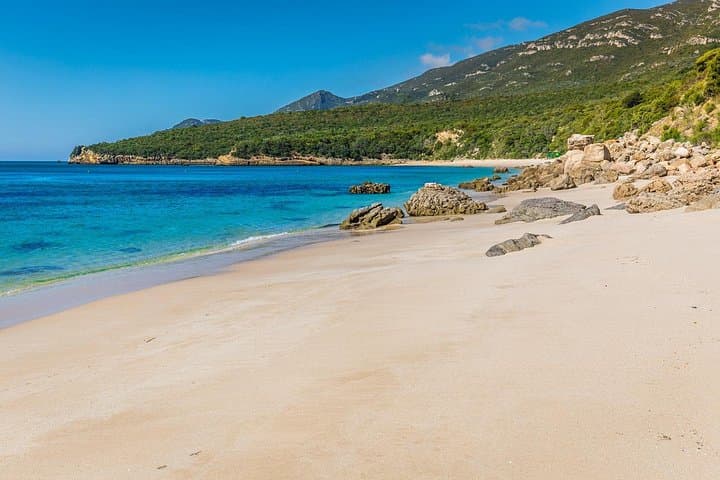
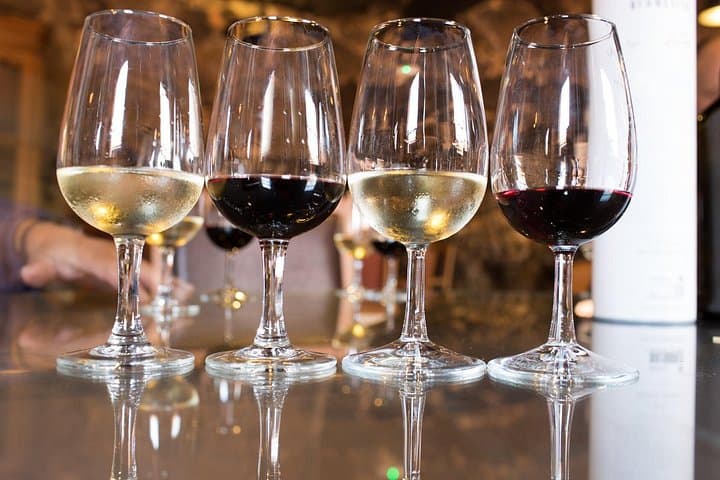
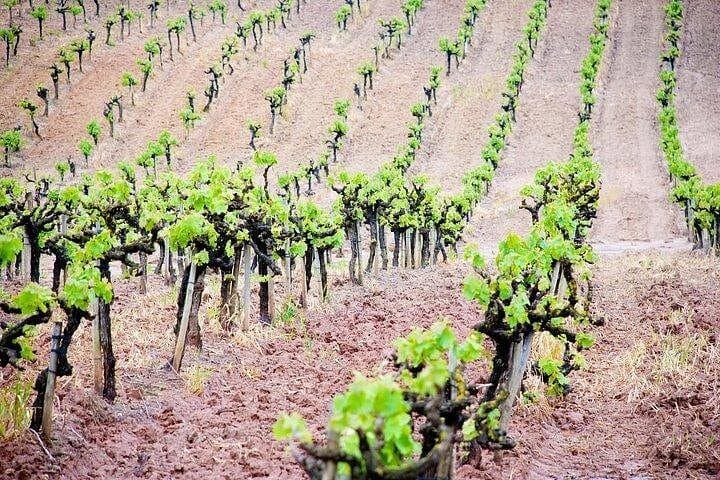
The Arrábida range is limestone folded into steep cliffs that fall into turquoise coves; its Mediterranean scrub resists erosion and colors the slopes olive and grey. Azeitão’s winemaking and tile‑painting traditions date back centuries—Adega José Maria da Fonseca, one of the region’s historic cellars, pairs fortified and table wines with stories of 19th‑century enterprise. The Cristo Rei sanctuary, built in the late 1950s on the south bank of the Tagus, caps the day with a panorama that frames Lisbon, the river, and the peninsula below.
Expect a mix of easy walking, short cellar tours, a hands‑on tile demo option, and coastal viewpoints reached by vehicle. Timing matters: mornings are quieter at market stalls; late afternoons give the cliffs golden light. Practical essentials include sun protection, refillable water, steady shoes for steps and uneven paths, and a small daypack for tastings and purchases. The guide handles logistics and entry fees to listed sites, but leave room in your schedule for a slow wine tasting or a spontaneous look at the estuary—this route blends cultural craft with coastal geology and the occasional glimpse of marine life.
Yes—private pickup and drop‑off are included; specify pickup location when booking.
Yes—guided visits and tastings at the listed wine estate are included in the itinerary.
Children are welcome; infant seats are available and the tour is stroller accessible for short transfers.
Dolphins are frequently seen in the Sado but sightings cannot be guaranteed; sightings are more likely in calm weather.
Van Go Tourism operates guided outdoor trips and adventures with an emphasis on safety, stewardship, and memorable experiences.
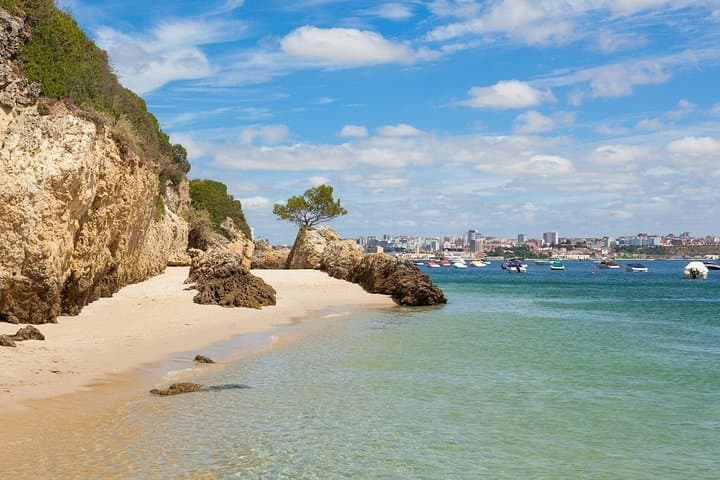
A morning in Setúbal starts with salt on the air and the Sado estuary pulling the eye toward a flat horizon where dolphins sometimes break the surface—the town’s port still guides the rhythm of local life. The tour moves from market stalls piled with fresh fish to the narrow lanes of Azeitão, where ceramic dust and grape scents announce a different craft entirely.
A morning in Setúbal starts with salt on the air and the Sado estuary pulling the eye toward a flat horizon where dolphins sometimes break the surface—the town’s port still guides the rhythm of local life. The tour moves from market stalls piled with fresh fish to the narrow lanes of Azeitão, where ceramic dust and grape scents announce a different craft entirely.
The Arrábida range is limestone folded into steep cliffs that fall into turquoise coves; its Mediterranean scrub resists erosion and colors the slopes olive and grey. Azeitão’s winemaking and tile‑painting traditions date back centuries—Adega José Maria da Fonseca, one of the region’s historic cellars, pairs fortified and table wines with stories of 19th‑century enterprise. The Cristo Rei sanctuary, built in the late 1950s on the south bank of the Tagus, caps the day with a panorama that frames Lisbon, the river, and the peninsula below.
Expect a mix of easy walking, short cellar tours, a hands‑on tile demo option, and coastal viewpoints reached by vehicle. Timing matters: mornings are quieter at market stalls; late afternoons give the cliffs golden light. Practical essentials include sun protection, refillable water, steady shoes for steps and uneven paths, and a small daypack for tastings and purchases. The guide handles logistics and entry fees to listed sites, but leave room in your schedule for a slow wine tasting or a spontaneous look at the estuary—this route blends cultural craft with coastal geology and the occasional glimpse of marine life.