THE ADVENTURE COLLECTIVE® · Independent discovery and booking for outdoor travel

Board a covered vessel in Setúbal for a two-hour cruise across the Sado Estuary to watch resident dolphins and learn about the local marine ecosystem. The tour mixes accessible, family-friendly boating with expert narration on wildlife, geology and coastal history.
Board a covered vessel in Setúbal for a two-hour cruise across the Sado Estuary to watch resident dolphins and learn about the local marine ecosystem. The tour mixes accessible, family-friendly boating with expert narration on wildlife, geology and coastal history.
Morning light slides along the Sado Estuary as the boat eases from Setúbal’s quay, salt on the air and the hills of Arrábida rising like a green wall to starboard. In two hours visitors cross a shifting mosaic of shallow channels and open bay, eyes searching for the dark backs and playful arcs of resident bottlenose dolphins. Guides point out coastal cliffs, isolated beaches and the ruined forts that mark centuries of maritime trade while explaining dolphin behavior and the estuary’s tidal rhythms.
Verified experiences and guided adventures in the surrounding area.
Operated by Rotas do Sal · Setúbal, Setúbal District
Morning light slides along the Sado Estuary as the boat eases from Setúbal’s quay, salt on the air and the hills of Arrábida rising like a green wall to starboard. In two hours visitors cross a shifting mosaic of shallow channels and open bay, eyes searching for the dark backs and playful arcs of resident bottlenose dolphins. Guides point out coastal cliffs, isolated beaches and the ruined forts that mark centuries of maritime trade while explaining dolphin behavior and the estuary’s tidal rhythms.
Geology here is limestone and marl; Arrábida’s exposed cliffs were formed by uplift and sea sculpting, producing clear, sheltered coves below steep slopes. Setúbal carries a fishing and salt-making legacy; the Sado has been a working estuary for generations, its channels feeding communities and wildlife alike. Cultural notes—the nearby Serra da Arrábida Natural Park protects landscapes and supports small-scale fisheries and wine terraces.
Practically, the tour is family-friendly and low-impact: expect two hours aboard a covered vessel with onboard restrooms and accessible boarding. Wear non-slip shoes and a wind layer—wind can freshen off the water even on warm days. Bring a binocular and a camera with a zoom; sightings are regular but not guaranteed. Avoid bright flash photography and follow guide instructions when approaching pods to minimize disturbance. Timing matters—mornings and late afternoons often bring calmer seas and more surface activity. Hydrate, apply reef-safe sunscreen, and plan a shoreline visit afterward to explore Arrábida’s beaches or Setúbal’s fish markets. Consider a guided coastal hike afterwards for context.
The experience lasts about two hours, including boarding, cruising and observation time.
Dolphin sightings are common because a resident population inhabits the estuary year-round, but sightings cannot be guaranteed.
Yes—this operator lists wheelchair accessibility and accessible surfaces; check specific boarding assistance needs when booking.
Yes—tours are family-friendly. Infants must sit on a lap and infant seats are available on request.
Rotas do Sal operates guided outdoor trips and adventures with an emphasis on safety, stewardship, and memorable experiences.
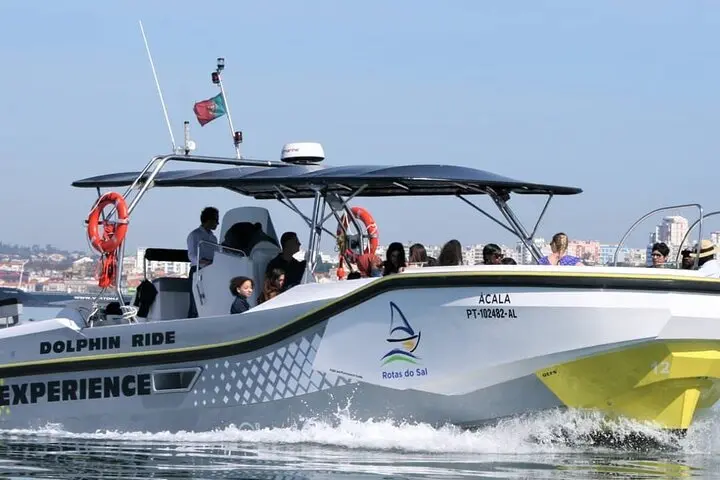
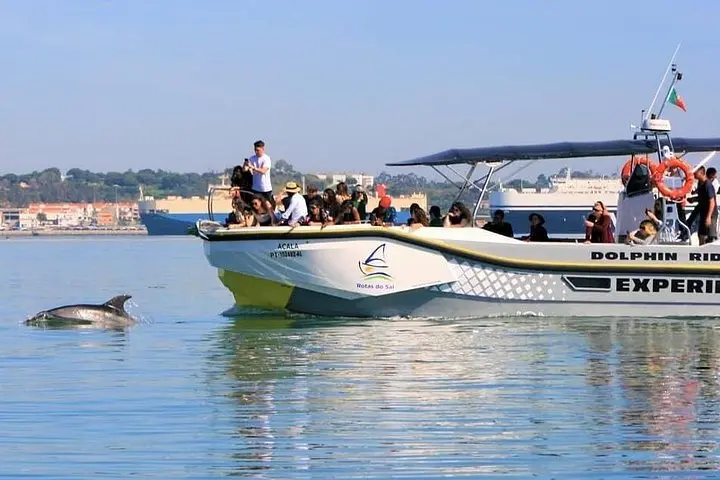
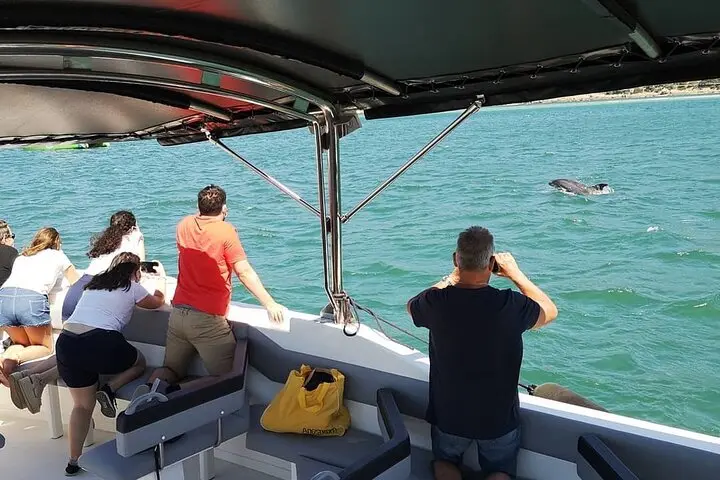
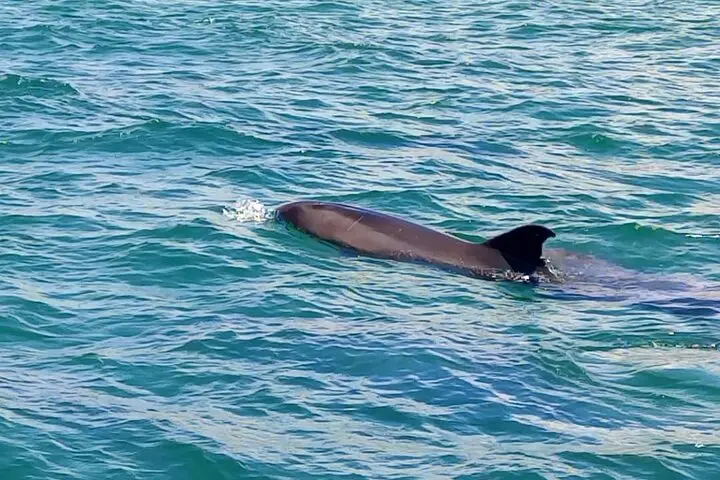
Morning light slides along the Sado Estuary as the boat eases from Setúbal’s quay, salt on the air and the hills of Arrábida rising like a green wall to starboard. In two hours visitors cross a shifting mosaic of shallow channels and open bay, eyes searching for the dark backs and playful arcs of resident bottlenose dolphins. Guides point out coastal cliffs, isolated beaches and the ruined forts that mark centuries of maritime trade while explaining dolphin behavior and the estuary’s tidal rhythms.
Morning light slides along the Sado Estuary as the boat eases from Setúbal’s quay, salt on the air and the hills of Arrábida rising like a green wall to starboard. In two hours visitors cross a shifting mosaic of shallow channels and open bay, eyes searching for the dark backs and playful arcs of resident bottlenose dolphins. Guides point out coastal cliffs, isolated beaches and the ruined forts that mark centuries of maritime trade while explaining dolphin behavior and the estuary’s tidal rhythms.
Geology here is limestone and marl; Arrábida’s exposed cliffs were formed by uplift and sea sculpting, producing clear, sheltered coves below steep slopes. Setúbal carries a fishing and salt-making legacy; the Sado has been a working estuary for generations, its channels feeding communities and wildlife alike. Cultural notes—the nearby Serra da Arrábida Natural Park protects landscapes and supports small-scale fisheries and wine terraces.
Practically, the tour is family-friendly and low-impact: expect two hours aboard a covered vessel with onboard restrooms and accessible boarding. Wear non-slip shoes and a wind layer—wind can freshen off the water even on warm days. Bring a binocular and a camera with a zoom; sightings are regular but not guaranteed. Avoid bright flash photography and follow guide instructions when approaching pods to minimize disturbance. Timing matters—mornings and late afternoons often bring calmer seas and more surface activity. Hydrate, apply reef-safe sunscreen, and plan a shoreline visit afterward to explore Arrábida’s beaches or Setúbal’s fish markets. Consider a guided coastal hike afterwards for context.