THE ADVENTURE COLLECTIVE® · Independent discovery and booking for outdoor travel

A full‑day tour from Lisbon that pairs rugged coastal scenery with medieval history and local food. Visit Arrábida’s coves, Palmela Castle, Setúbal’s famed fish market and Sesimbra’s seaside charm in a single, well‑paced day.
A full‑day tour from Lisbon that pairs rugged coastal scenery with medieval history and local food. Visit Arrábida’s coves, Palmela Castle, Setúbal’s famed fish market and Sesimbra’s seaside charm in a single, well‑paced day.
You step out of the van onto a cliff where the Atlantic pushes its breath against limestone and the sea dares you to look deeper. Low green ridges of the Arrábida rise behind you; below, Portinho da Arrábida's water is a clear, startling blue that seems to hold its own light. The day moves at the measured pace of a coastal wind—stops at seaside forts, market stalls and a medieval castle that keeps watch over vineyards and roads to the sea.
Verified experiences and guided adventures in the surrounding area.
Operated by The Guru Guide · Setúbal, Setúbal District
You step out of the van onto a cliff where the Atlantic pushes its breath against limestone and the sea dares you to look deeper. Low green ridges of the Arrábida rise behind you; below, Portinho da Arrábida's water is a clear, startling blue that seems to hold its own light. The day moves at the measured pace of a coastal wind—stops at seaside forts, market stalls and a medieval castle that keeps watch over vineyards and roads to the sea.
This route stitches together centuries: Palmela Castle and the Order of Santiago’s medieval frontier work, Setúbal’s Mercado do Livramento with its 20th‑century tile panels, and the Manueline stonework of the Convent and Church of Jesus. Geologically, Arrábida is a compact karst of limestone ridges and caves carved by sea and rain; the cliffs create sheltered coves where currents slow and fish congregate. Local culture centers on fishing, wine from Palmela and Azeitão cheeses—practical pleasures that explain why people have lived here for generations.
Expect mostly short, accessible walks and several photo-ready viewpoints; some sites require steps and uneven paths. Practical notes: bring sun protection and a reusable bottle, plan for 7–8 hours with a mix of driving and walking, and schedule swimming time in summer if you want to dip into Portinho’s calm water. Respect the park: stick to marked trails, avoid disturbing nesting birds, and sample local seafood and vinho verde at small family‑run restaurants to complete the day.
Shared tours typically meet at Hard Rock Café Lisbon or Casa Baía in Setúbal; private tours can include hotel pickup and drop‑off in Lisbon or Setúbal.
The itinerary is described as physically easy with wheelchair‑accessible transportation, but some viewpoints and forts have steps—check in advance for site access details.
Yes—Portinho’s calm, clear water is popular for swimming in summer; bring swimwear and check local conditions before entering the water.
The tour includes transportation, guide and fees listed in the booking; museum or fort entrance fees, meals and optional tastings are usually extra—confirm at booking.
The Guru Guide operates guided outdoor trips and adventures with an emphasis on safety, stewardship, and memorable experiences.
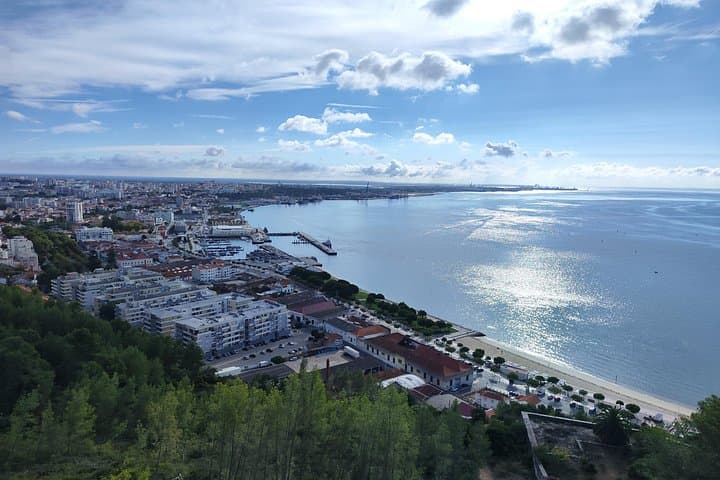
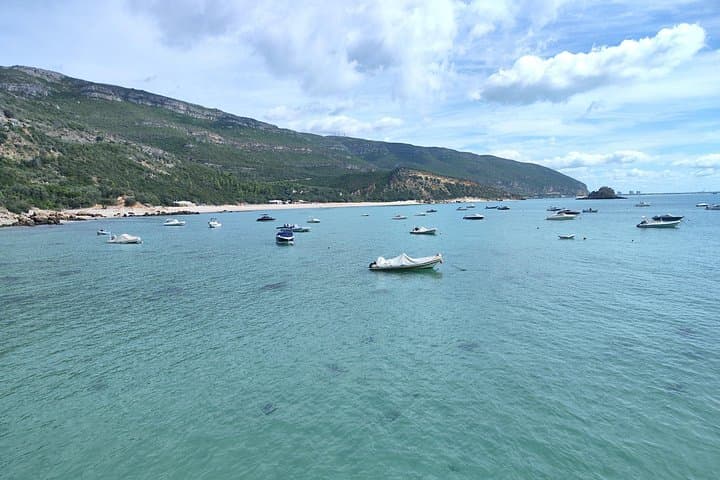
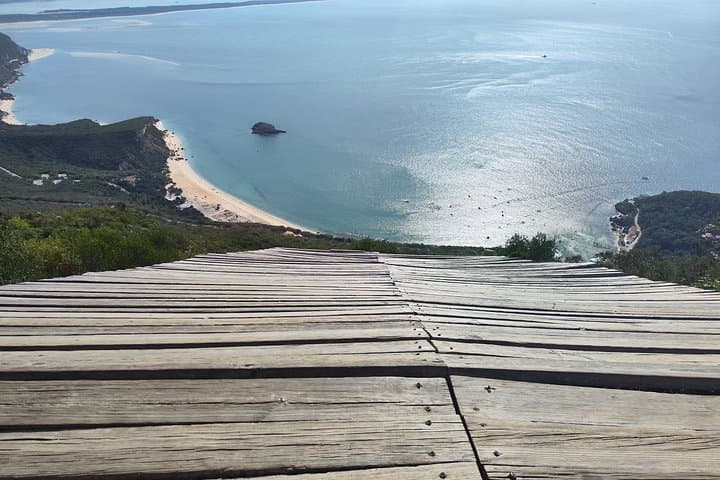
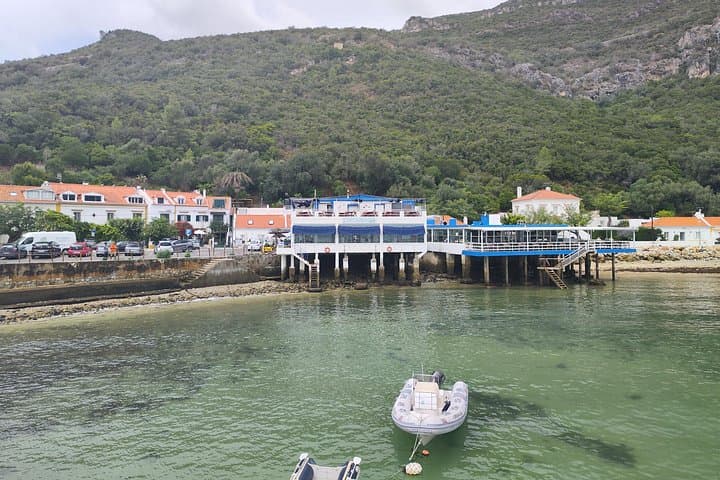
You step out of the van onto a cliff where the Atlantic pushes its breath against limestone and the sea dares you to look deeper. Low green ridges of the Arrábida rise behind you; below, Portinho da Arrábida's water is a clear, startling blue that seems to hold its own light. The day moves at the measured pace of a coastal wind—stops at seaside forts, market stalls and a medieval castle that keeps watch over vineyards and roads to the sea.
You step out of the van onto a cliff where the Atlantic pushes its breath against limestone and the sea dares you to look deeper. Low green ridges of the Arrábida rise behind you; below, Portinho da Arrábida's water is a clear, startling blue that seems to hold its own light. The day moves at the measured pace of a coastal wind—stops at seaside forts, market stalls and a medieval castle that keeps watch over vineyards and roads to the sea.
This route stitches together centuries: Palmela Castle and the Order of Santiago’s medieval frontier work, Setúbal’s Mercado do Livramento with its 20th‑century tile panels, and the Manueline stonework of the Convent and Church of Jesus. Geologically, Arrábida is a compact karst of limestone ridges and caves carved by sea and rain; the cliffs create sheltered coves where currents slow and fish congregate. Local culture centers on fishing, wine from Palmela and Azeitão cheeses—practical pleasures that explain why people have lived here for generations.
Expect mostly short, accessible walks and several photo-ready viewpoints; some sites require steps and uneven paths. Practical notes: bring sun protection and a reusable bottle, plan for 7–8 hours with a mix of driving and walking, and schedule swimming time in summer if you want to dip into Portinho’s calm water. Respect the park: stick to marked trails, avoid disturbing nesting birds, and sample local seafood and vinho verde at small family‑run restaurants to complete the day.