THE ADVENTURE COLLECTIVE® · Independent discovery and booking for outdoor travel

A private six-hour loop through Setúbal’s harbor, markets, and monuments that pairs seafood culture with Manueline architecture and a regional wine tasting. Expect compact walks, vibrant food stalls, and coastal viewpoints toward Tróia and the Arrábida hills.
A private six-hour loop through Setúbal’s harbor, markets, and monuments that pairs seafood culture with Manueline architecture and a regional wine tasting. Expect compact walks, vibrant food stalls, and coastal viewpoints toward Tróia and the Arrábida hills.
You step off the vehicle and the harbor greets you: gulls quarrel over drying nets while the Sado estuary pushes a cool breath toward the quay. São Domingos’ viewpoint opens like a stage — Tróia across the water and the Arrábida hills folding inland — and the town’s compact streets draw you toward tile-faced churches and busy market stalls.
Verified experiences and guided adventures in the surrounding area.
Operated by Andre Marques · Setúbal, Setúbal District
You step off the vehicle and the harbor greets you: gulls quarrel over drying nets while the Sado estuary pushes a cool breath toward the quay. São Domingos’ viewpoint opens like a stage — Tróia across the water and the Arrábida hills folding inland — and the town’s compact streets draw you toward tile-faced churches and busy market stalls.
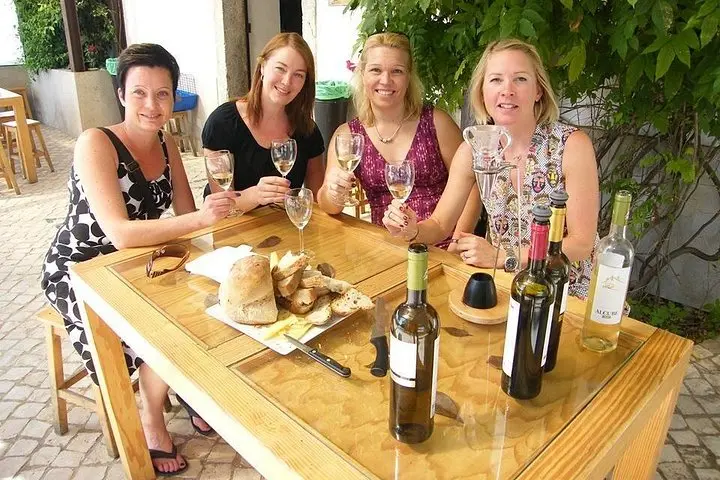
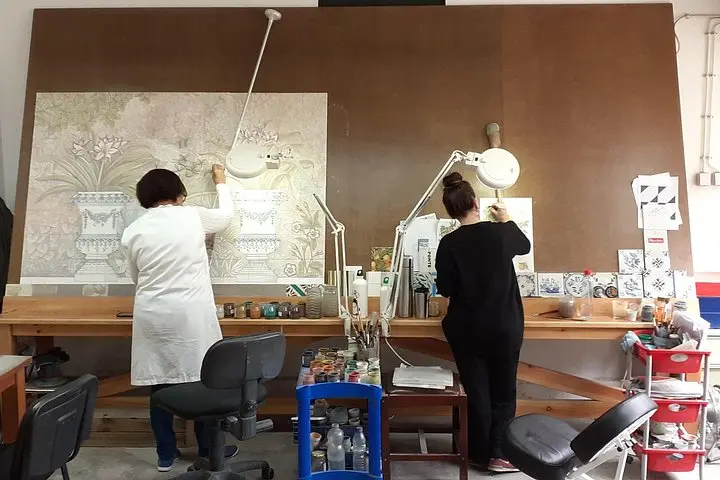
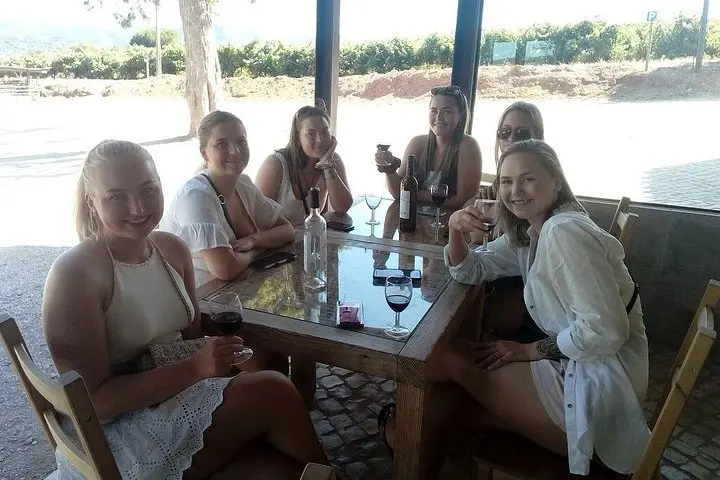
Setúbal’s story is visible in stone and salt: the Convent of Jesus introduces early Manueline ornament, Saint Philip’s Fort speaks to 16th-century coastal defense, and Livramento Market still hums with fishermen’s calls and tiled murals. Geologically, the Arrábida limestone ridge frames the bay and feeds clear springs; the estuary’s currents shape a fishing culture that made choco frito and fresh sardines local staples. Cultural beats are short and direct — tile makers, winemakers of Moscatel and compact family taverns keep traditions current.
Practical guidance: this six-hour private tour mixes short guided walks, two paid-entry visits (Convent and a wine house), and market time; expect minimal elevation but cobbled streets and occasional stairs. Wear comfortable walking shoes, carry sun protection and a reusable water bottle, and factor in time for tastings and transport between stops. The guide handles tickets and logistics, and the route suits most fitness levels; bring a light layer in shoulder seasons and a rain shell in winter. If you want quieter photos, schedule morning departures; for a livelier market and tasting scene, aim for late morning or early afternoon.
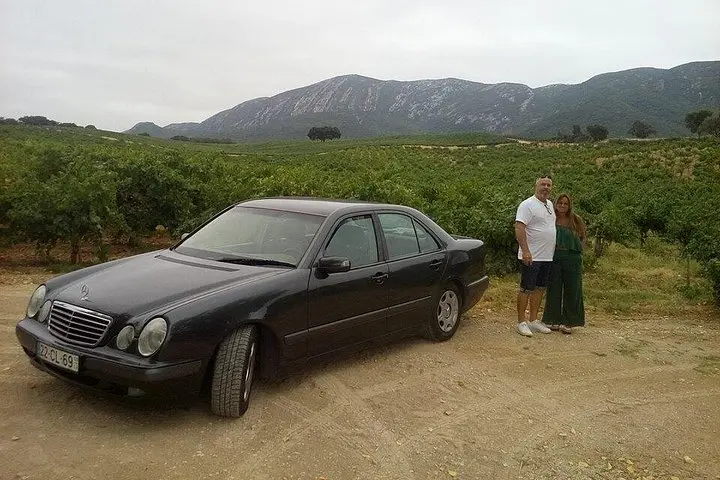
Yes — the private tour includes transport between the listed stops; the guide manages timing and pickups.
Convent of Jesus and the wine-tasting visit are included as noted in the itinerary; check your booking for specifics.
The tour is family-friendly; infants must sit on an adult’s lap and infant seats are available on request.
Yes — inform the operator at booking and the guide will arrange alternatives where possible for food and wine pairings.
Andre Marques operates guided outdoor trips and adventures with an emphasis on safety, stewardship, and memorable experiences.
You step off the vehicle and the harbor greets you: gulls quarrel over drying nets while the Sado estuary pushes a cool breath toward the quay. São Domingos’ viewpoint opens like a stage — Tróia across the water and the Arrábida hills folding inland — and the town’s compact streets draw you toward tile-faced churches and busy market stalls.
You step off the vehicle and the harbor greets you: gulls quarrel over drying nets while the Sado estuary pushes a cool breath toward the quay. São Domingos’ viewpoint opens like a stage — Tróia across the water and the Arrábida hills folding inland — and the town’s compact streets draw you toward tile-faced churches and busy market stalls.
Setúbal’s story is visible in stone and salt: the Convent of Jesus introduces early Manueline ornament, Saint Philip’s Fort speaks to 16th-century coastal defense, and Livramento Market still hums with fishermen’s calls and tiled murals. Geologically, the Arrábida limestone ridge frames the bay and feeds clear springs; the estuary’s currents shape a fishing culture that made choco frito and fresh sardines local staples. Cultural beats are short and direct — tile makers, winemakers of Moscatel and compact family taverns keep traditions current.
Practical guidance: this six-hour private tour mixes short guided walks, two paid-entry visits (Convent and a wine house), and market time; expect minimal elevation but cobbled streets and occasional stairs. Wear comfortable walking shoes, carry sun protection and a reusable water bottle, and factor in time for tastings and transport between stops. The guide handles tickets and logistics, and the route suits most fitness levels; bring a light layer in shoulder seasons and a rain shell in winter. If you want quieter photos, schedule morning departures; for a livelier market and tasting scene, aim for late morning or early afternoon.