THE ADVENTURE COLLECTIVE® · Independent discovery and booking for outdoor travel

Trace coffee from its birthplace on this seven-day journey through Jimma, Keffa, Bebeka and Yirga Cheffe. Expect farm visits, cuppings, a traditional coffee ceremony and hands-on looks at processing methods.
Trace coffee from its birthplace on this seven-day journey through Jimma, Keffa, Bebeka and Yirga Cheffe. Expect farm visits, cuppings, a traditional coffee ceremony and hands-on looks at processing methods.
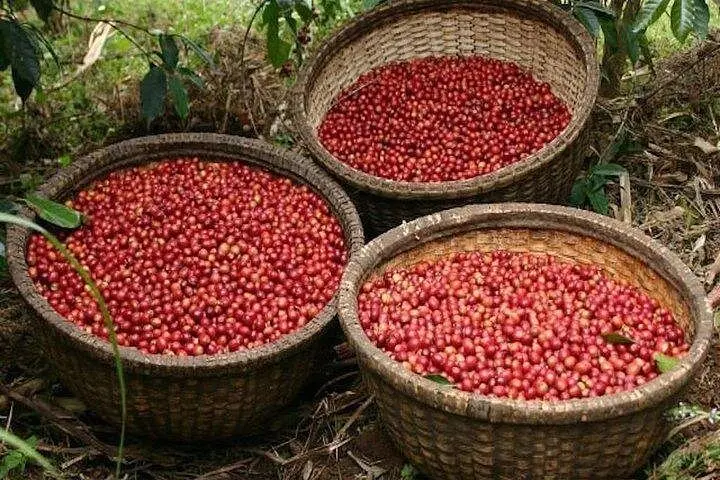
You step out of the Land Cruiser before dawn and the air tastes faintly of roast and wet earth. Roads move like ribbons between highland farms; steam rises from small roasting pits and women in patterned shawls arrange fresh beans on sun decks. Over seven days the landscape changes from the plateaus around Jimma into the forested slopes of Keffa and the bright, terraced lots of Yirga Cheffe.
Verified experiences and guided adventures in the surrounding area.
Operated by ShebaLand Tour · Jimma, Oromia Region
You step out of the Land Cruiser before dawn and the air tastes faintly of roast and wet earth. Roads move like ribbons between highland farms; steam rises from small roasting pits and women in patterned shawls arrange fresh beans on sun decks. Over seven days the landscape changes from the plateaus around Jimma into the forested slopes of Keffa and the bright, terraced lots of Yirga Cheffe.
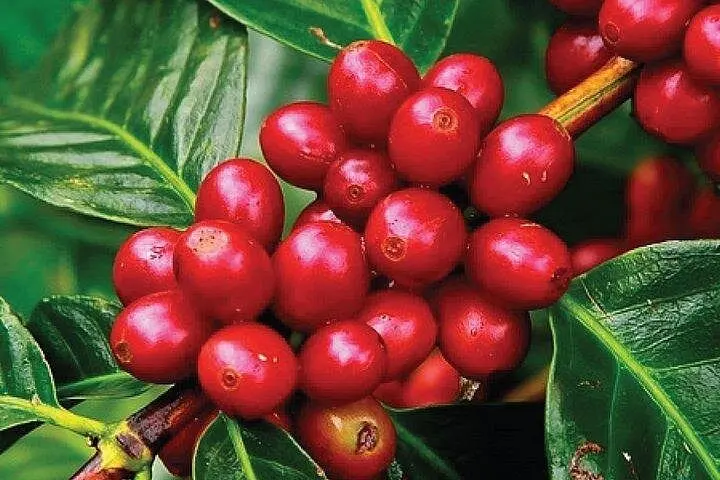
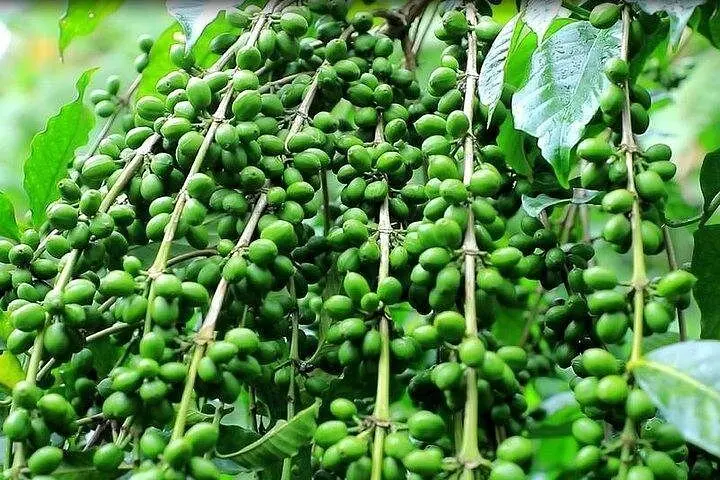
Ethiopia is the botanical birthplace of Coffea arabica — the name Kaffa points to that southwestern homeland and traditions that stretch back to medieval trade routes. Geologically the region is part of the Ethiopian Highlands: volcanic soils, elevations commonly between 1,700–2,200 meters, and rainfall patterns that dictate when cherries ripen and mills hum.
Culturally the tour is anchored by the coffee ceremony — an intimate, ritualized preparation that doubles as social currency — and visits to cooperative unions where quality control and export grading happen. You’ll contrast smallholder shade-grown plots with large estates like Bebeka and learn how processing (washed, natural, pulped natural) shapes flavor.
Practical notes: expect multiple 2–4 hour drives between towns, basic hotels in Jimma and Yirgalem, and short farm walks over uneven ground. Bring layered clothing for cool mornings, sun protection for midday sampling, and cash for markets. Pace yourself around caffeine and altitude; guides will arrange tastings, transfers, and translation. This trip pairs sensory discovery — floral citrus and wet-humus aromas — with concrete trade insights into origin, processing, and sustainable farming practices.
No — the tour is designed for both enthusiasts and trade visitors; guides explain cultivation, processing and cupping in plain language.
Accommodations are simple to mid-range: expect comfortable, locally run hotels and lodges with private rooms and modest amenities.
Children can attend but the itinerary includes long drives and farm environments not tailored to very young travelers; consider pace and supervision.
An English-speaking coffee expert and local guides are included; translators for other languages can be requested in advance.
ShebaLand Tour operates guided outdoor trips and adventures with an emphasis on safety, stewardship, and memorable experiences.
You step out of the Land Cruiser before dawn and the air tastes faintly of roast and wet earth. Roads move like ribbons between highland farms; steam rises from small roasting pits and women in patterned shawls arrange fresh beans on sun decks. Over seven days the landscape changes from the plateaus around Jimma into the forested slopes of Keffa and the bright, terraced lots of Yirga Cheffe.
You step out of the Land Cruiser before dawn and the air tastes faintly of roast and wet earth. Roads move like ribbons between highland farms; steam rises from small roasting pits and women in patterned shawls arrange fresh beans on sun decks. Over seven days the landscape changes from the plateaus around Jimma into the forested slopes of Keffa and the bright, terraced lots of Yirga Cheffe.
Ethiopia is the botanical birthplace of Coffea arabica — the name Kaffa points to that southwestern homeland and traditions that stretch back to medieval trade routes. Geologically the region is part of the Ethiopian Highlands: volcanic soils, elevations commonly between 1,700–2,200 meters, and rainfall patterns that dictate when cherries ripen and mills hum.
Culturally the tour is anchored by the coffee ceremony — an intimate, ritualized preparation that doubles as social currency — and visits to cooperative unions where quality control and export grading happen. You’ll contrast smallholder shade-grown plots with large estates like Bebeka and learn how processing (washed, natural, pulped natural) shapes flavor.
Practical notes: expect multiple 2–4 hour drives between towns, basic hotels in Jimma and Yirgalem, and short farm walks over uneven ground. Bring layered clothing for cool mornings, sun protection for midday sampling, and cash for markets. Pace yourself around caffeine and altitude; guides will arrange tastings, transfers, and translation. This trip pairs sensory discovery — floral citrus and wet-humus aromas — with concrete trade insights into origin, processing, and sustainable farming practices.