THE ADVENTURE COLLECTIVE® · Independent discovery and booking for outdoor travel

A compact seven‑day circuit through Cusco, the Sacred Valley and Machu Picchu that pairs guided archaeology with high‑altitude hikes to Vinicunca and Humantay. Expect varied terrain, thin air and full logistics — hotels, trains and entrance fees included.
A compact seven‑day circuit through Cusco, the Sacred Valley and Machu Picchu that pairs guided archaeology with high‑altitude hikes to Vinicunca and Humantay. Expect varied terrain, thin air and full logistics — hotels, trains and entrance fees included.
Morning light slices across Plaza de Armas as visitors step from narrow cobblestone streets into a city that still breathes Inca stones and colonial façades. On this seven‑day loop from Cusco, travel alternates between high Andean plateaus and cloud‑forest valleys, trading thin, bright air for the warm, green hush around Machu Picchu.
Verified experiences and guided adventures in the surrounding area.
Operated by Machu Picchu Sacred · Cusco, Cusco
Morning light slices across Plaza de Armas as visitors step from narrow cobblestone streets into a city that still breathes Inca stones and colonial façades. On this seven‑day loop from Cusco, travel alternates between high Andean plateaus and cloud‑forest valleys, trading thin, bright air for the warm, green hush around Machu Picchu.
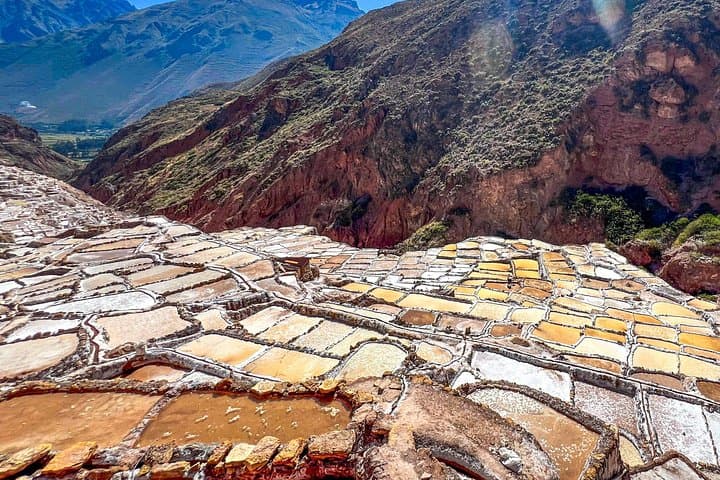
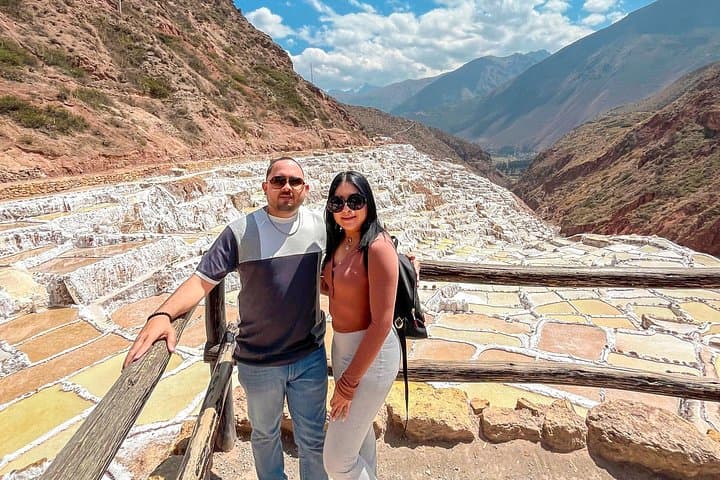
The route threads history and geology: Cusco (≈3,400 m) was the Inca capital, its stonework cut to fit without mortar; the Sacred Valley shows human-engineered terraces and salt pans at Maras; Moray’s concentric agricultural rings reveal pre‑Columbian experimentation with microclimates. Vinicunca (Rainbow Mountain, ~5,200 m) exposes iron and mineral bands uplifted and eroded into vivid streaks, while Humantay Lagoon (≈4,200 m) sits under glaciated peaks, fed by meltwater that rushes down moraine channels.
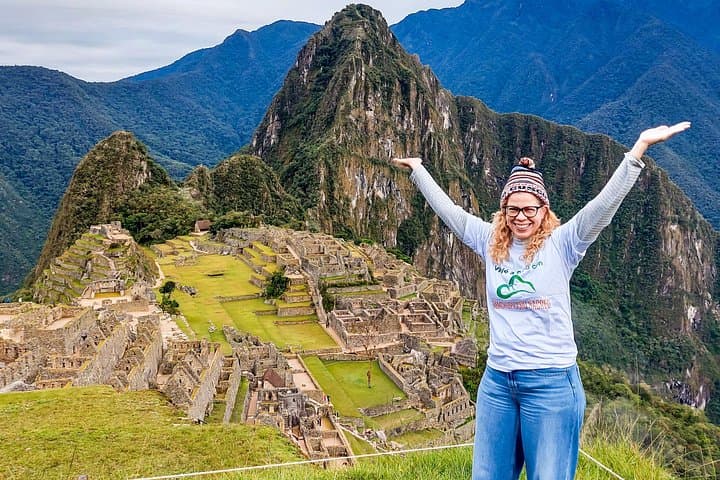
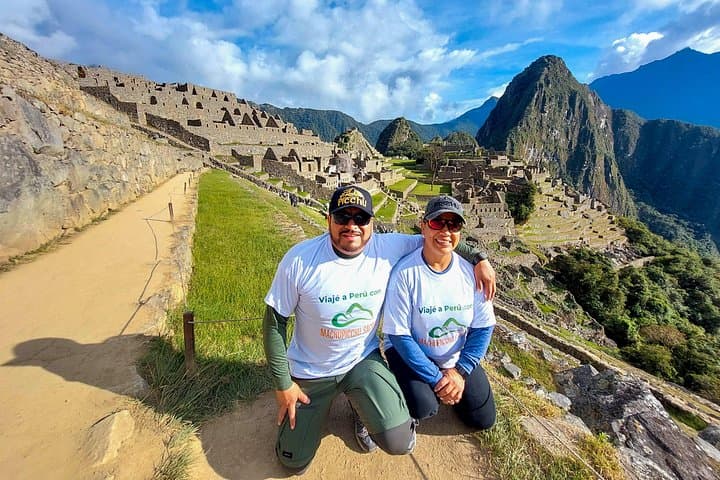
Days mix guided archaeology, short to moderate hikes (Vinicunca: roughly 3–5 km roundtrip depending on start, steep sections and ~400–900 m net gain; Humantay: ~3–6 km roundtrip, 300–500 m gain from Soraypampa), a scenic train to Aguas Calientes and a focused 3‑hour exploration of Machu Picchu’s terraces and temples at ~2,430 m. Terrain alternates packed dirt, rocky switchbacks and high‑altitude puna grassland; expect sudden weather shifts.
Practical edge: acclimatize in Cusco, carry layered clothing, hydrate and pace uphill efforts. The itinerary includes hotels, several buffet meals, entrance fees and professional guides, but altitude and uneven paths demand sensible footwear and a conservative plan for rest. This trip balances iconic sites with hands‑on cultural stops — markets, salt pans and small villages — giving both context and time to move through Peru’s high country responsibly.
Altitude effects are common above 3,000 m; the itinerary includes acclimatization time in Cusco but bring time to rest, hydrate, and consult guides—medications like acetazolamide can help with medical advice.
Yes — a private guided visit of roughly three hours is included, covering main sectors (temples, terraces) and basic history; additional hikes (Huayna Picchu) require separate permits.
Some transfer services are wheelchair accessible, but many sites have uneven stone steps and steep sections; travelers with serious mobility restrictions should contact the operator before booking.
The tour package includes tourist train and bus transfers to Machu Picchu, specified breakfasts and three lunches as listed in the itinerary.
Machu Picchu Sacred operates guided outdoor trips and adventures with an emphasis on safety, stewardship, and memorable experiences.
Morning light slices across Plaza de Armas as visitors step from narrow cobblestone streets into a city that still breathes Inca stones and colonial façades. On this seven‑day loop from Cusco, travel alternates between high Andean plateaus and cloud‑forest valleys, trading thin, bright air for the warm, green hush around Machu Picchu.
Morning light slices across Plaza de Armas as visitors step from narrow cobblestone streets into a city that still breathes Inca stones and colonial façades. On this seven‑day loop from Cusco, travel alternates between high Andean plateaus and cloud‑forest valleys, trading thin, bright air for the warm, green hush around Machu Picchu.
The route threads history and geology: Cusco (≈3,400 m) was the Inca capital, its stonework cut to fit without mortar; the Sacred Valley shows human-engineered terraces and salt pans at Maras; Moray’s concentric agricultural rings reveal pre‑Columbian experimentation with microclimates. Vinicunca (Rainbow Mountain, ~5,200 m) exposes iron and mineral bands uplifted and eroded into vivid streaks, while Humantay Lagoon (≈4,200 m) sits under glaciated peaks, fed by meltwater that rushes down moraine channels.
Days mix guided archaeology, short to moderate hikes (Vinicunca: roughly 3–5 km roundtrip depending on start, steep sections and ~400–900 m net gain; Humantay: ~3–6 km roundtrip, 300–500 m gain from Soraypampa), a scenic train to Aguas Calientes and a focused 3‑hour exploration of Machu Picchu’s terraces and temples at ~2,430 m. Terrain alternates packed dirt, rocky switchbacks and high‑altitude puna grassland; expect sudden weather shifts.
Practical edge: acclimatize in Cusco, carry layered clothing, hydrate and pace uphill efforts. The itinerary includes hotels, several buffet meals, entrance fees and professional guides, but altitude and uneven paths demand sensible footwear and a conservative plan for rest. This trip balances iconic sites with hands‑on cultural stops — markets, salt pans and small villages — giving both context and time to move through Peru’s high country responsibly.