THE ADVENTURE COLLECTIVE® · Independent discovery and booking for outdoor travel

A compact, private seven-day circuit from Aswan to Alexandria that pairs a multi-night Nile cruise with guided stops at Abu Simbel, Luxor and the pyramids of Giza. Expect major archaeological sites, long transfers and cultural depth.
A compact, private seven-day circuit from Aswan to Alexandria that pairs a multi-night Nile cruise with guided stops at Abu Simbel, Luxor and the pyramids of Giza. Expect major archaeological sites, long transfers and cultural depth.
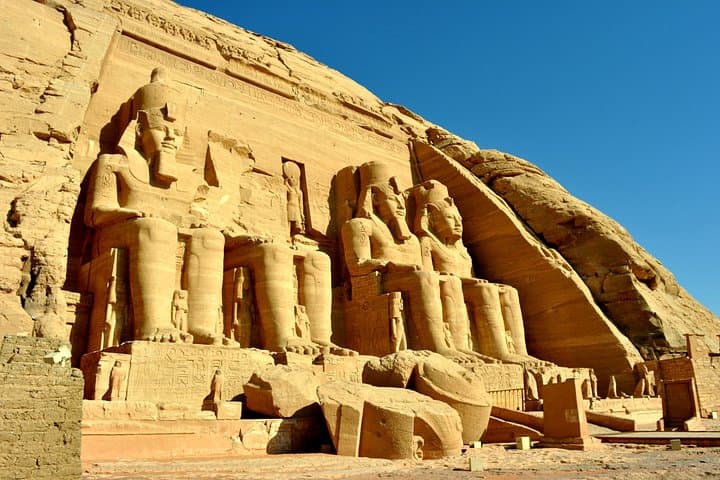
You arrive before dawn at Abu Simbel and the granite faces of Ramses II loom like weathered giants over the desert—silent, precise, and built to measure sunlight. Later, the Nile will carry you northward, its current nudging a three-night, four-day cruise through the carved temples of Kom Ombo, Edfu and Luxor. Each landing feels like a page turned in a very large, very old book.
Verified experiences and guided adventures in the surrounding area.
Operated by Luxor Travels · Cairo, Cairo Governorate
You arrive before dawn at Abu Simbel and the granite faces of Ramses II loom like weathered giants over the desert—silent, precise, and built to measure sunlight. Later, the Nile will carry you northward, its current nudging a three-night, four-day cruise through the carved temples of Kom Ombo, Edfu and Luxor. Each landing feels like a page turned in a very large, very old book.
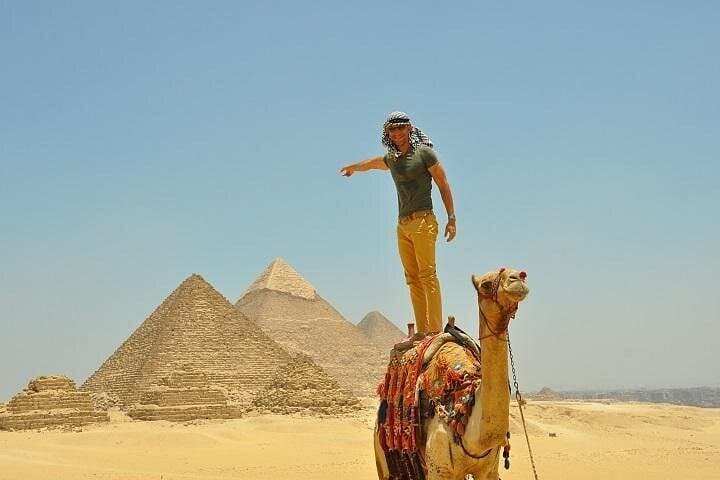
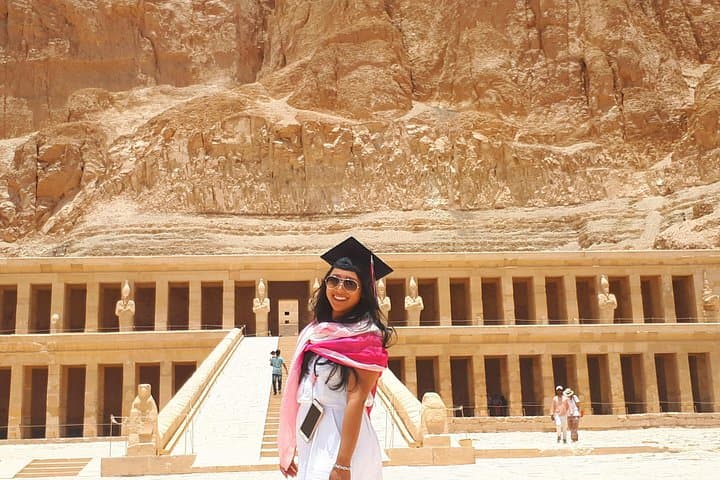
This route stitches together Pharaonic hubs: Philae’s island shrine, the High Dam’s modern engineering, the tomb-lined Valley of the Kings and the Hypostyle Hall at Karnak. Geologically the river corridor slices through alluvial deposits and Nubian sandstone, making the banks fertile and the monuments’ stonework strikingly preserved. Culturally you’ll move from Nubian influences in Aswan to Alexandria’s Greco-Roman remnants and the modern bustle of Cairo.
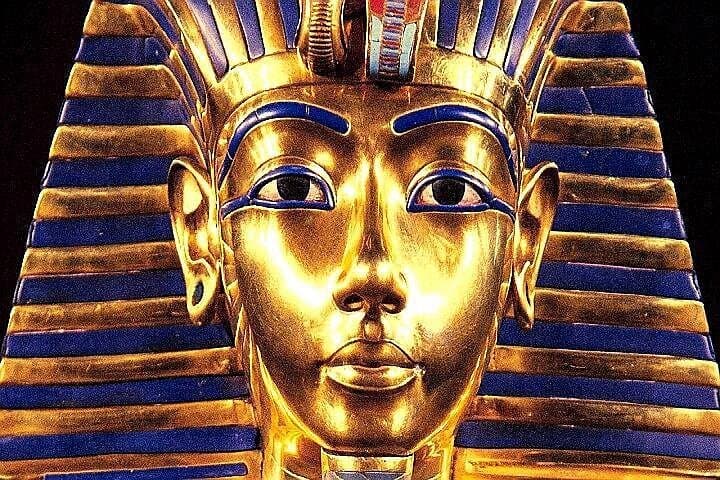
Practical essentials: the trip runs seven days with about three nights on a Nile cruiser and two city hotel nights; expect long transfers (Aswan–Abu Simbel ~3 hours by road; Luxor–Cairo overnight train ~10–12 hours). Temperatures can spike—carry sun protection and a reusable water bottle. Dress respectfully at religious sites (shoulders and knees covered). Entry fees for some tombs (Tutankhamun’s tomb, optional balloon rides) are often extra. Guides handle most logistics, but bring passport copies and local currency for tips and small purchases.
Timing your visits for early morning light improves photography and comfort. The itinerary balances guided visits with onboard downtime—enough structure to see the highlights and enough breathing room to feel the Nile’s slow momentum.
Yes—visiting at first light gives the clearest views and cooler temperatures; the drive from Aswan is roughly three hours each way and well organized by the tour.
Some site admissions are included, but optional extras such as the hot air balloon in Luxor and entry to Tutankhamun’s tomb are typically paid on-site.
The tour is low-impact: expect walking on uneven surfaces, some steps at temples and brief transfers; no special fitness or technical skills required.
Many nationalities require a tourist visa; check current Egyptian entry rules before travel and carry passport copies as requested during booking.
Luxor Travels operates guided outdoor trips and adventures with an emphasis on safety, stewardship, and memorable experiences.
You arrive before dawn at Abu Simbel and the granite faces of Ramses II loom like weathered giants over the desert—silent, precise, and built to measure sunlight. Later, the Nile will carry you northward, its current nudging a three-night, four-day cruise through the carved temples of Kom Ombo, Edfu and Luxor. Each landing feels like a page turned in a very large, very old book.
You arrive before dawn at Abu Simbel and the granite faces of Ramses II loom like weathered giants over the desert—silent, precise, and built to measure sunlight. Later, the Nile will carry you northward, its current nudging a three-night, four-day cruise through the carved temples of Kom Ombo, Edfu and Luxor. Each landing feels like a page turned in a very large, very old book.
This route stitches together Pharaonic hubs: Philae’s island shrine, the High Dam’s modern engineering, the tomb-lined Valley of the Kings and the Hypostyle Hall at Karnak. Geologically the river corridor slices through alluvial deposits and Nubian sandstone, making the banks fertile and the monuments’ stonework strikingly preserved. Culturally you’ll move from Nubian influences in Aswan to Alexandria’s Greco-Roman remnants and the modern bustle of Cairo.
Practical essentials: the trip runs seven days with about three nights on a Nile cruiser and two city hotel nights; expect long transfers (Aswan–Abu Simbel ~3 hours by road; Luxor–Cairo overnight train ~10–12 hours). Temperatures can spike—carry sun protection and a reusable water bottle. Dress respectfully at religious sites (shoulders and knees covered). Entry fees for some tombs (Tutankhamun’s tomb, optional balloon rides) are often extra. Guides handle most logistics, but bring passport copies and local currency for tips and small purchases.
Timing your visits for early morning light improves photography and comfort. The itinerary balances guided visits with onboard downtime—enough structure to see the highlights and enough breathing room to feel the Nile’s slow momentum.