THE ADVENTURE COLLECTIVE® · Independent discovery and booking for outdoor travel

The Machame Route is a scenic, seven-day route up Kilimanjaro that balances serious altitude gain with strategic acclimatization. This guide situates the trek—terrain, timings, and local logistics—so prospective climbers know what to expect before they set off from Moshi.
The Machame Route is a scenic, seven-day route up Kilimanjaro that balances serious altitude gain with strategic acclimatization. This guide situates the trek—terrain, timings, and local logistics—so prospective climbers know what to expect before they set off from Moshi.
Night on the lower slopes is a damp hush of insect calls and headlamp beams threading through giant ferns. By dawn the rainforest breathes steam into the rising sun and the trail unfurls—muddy, rutted, and steep—up toward a mountain that keeps changing its face: green below, stony and wind-scoured above. On the Machame Route, every camp brings a new habitat and a new rhythm; porters move like ants beneath brightly colored tents, guides scan the sky for weather, and trekkers learn to pace themselves by altitude rather than ambition.
Verified experiences and guided adventures in the surrounding area.
Operated by Gracepatt Safaris · Moshi, Kilimanjaro Region
Night on the lower slopes is a damp hush of insect calls and headlamp beams threading through giant ferns. By dawn the rainforest breathes steam into the rising sun and the trail unfurls—muddy, rutted, and steep—up toward a mountain that keeps changing its face: green below, stony and wind-scoured above. On the Machame Route, every camp brings a new habitat and a new rhythm; porters move like ants beneath brightly colored tents, guides scan the sky for weather, and trekkers learn to pace themselves by altitude rather than ambition.
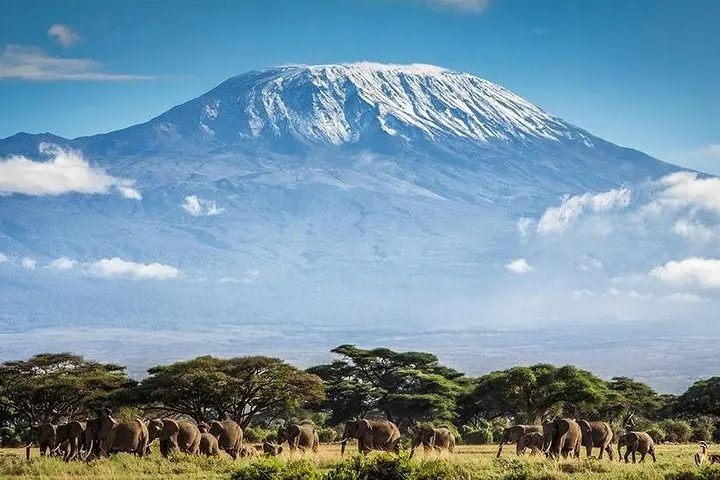
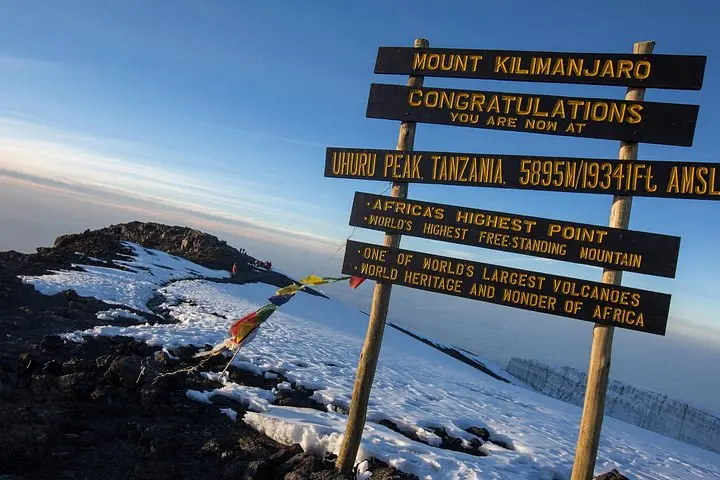
Machame—nicknamed the “whiskey route”—takes a westerly arc around Kilimanjaro’s southern ice fields and rewards effort with cinematic views. The seven-day itinerary is purpose-built for acclimatization: Machame Gate (1,650 m) to Machame Camp (2,865 m) on day one, then up through Shira Plateau to Lava Tower (4,640 m) and the Barranco and Karanga camps before the final push from Barafu to Uhuru Peak (5,895 m). Geologically, Kibo’s summit rests on an ancient shield volcano capped by a crater rim and fragmented glaciers; the arrowlike ridges and loose scree on the upper slopes are the product of fire, ice, and wind.
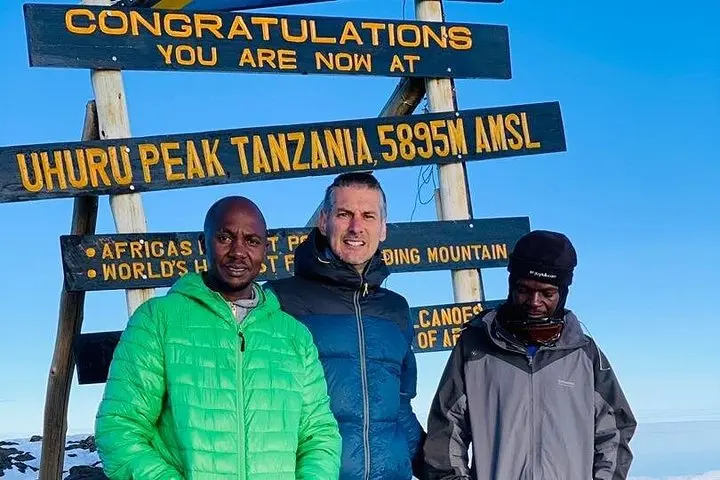
The human story on these slopes is too: the Chagga people have farmed the mountain’s lower flanks for centuries, and modern guides and porters—often from nearby Moshi—combine local knowledge with established safety protocols. Park fees fund conservation and regulate camping to reduce impact; the route’s camps are organized, and the presence of porters and guides makes a technical summit possible without specialized climbing equipment, though altitude is the real challenge.
Practical edge: expect 5–7 hours on early days and a very long summit night that begins around midnight and can last 8–10 hours round-trip. Follow the acclimatization plan—move slow, hydrate, and sleep higher then descend when possible. Footwear should be broken-in, ankle-supporting boots; gaiters and trekking poles transform loose scree into manageable steps. Clothing is layer-based: damp rainforest mornings give way to sharp alpine wind and possibly snow near Stella Point and Uhuru Peak. Meals, filtered water, tents, and two porters per client are included, as are airport transfers and Moshi pickup.
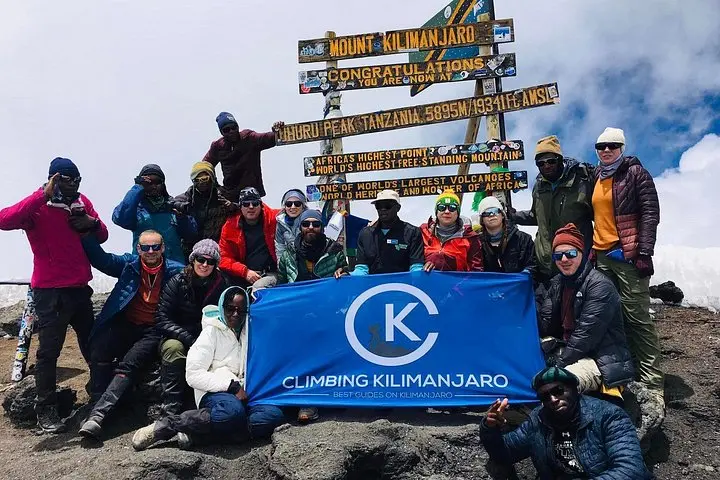
Plan for logistics in Moshi: confirm flight times, carry copies of medical info, and budget tips for guides and porters. Altitude sickness can strike anyone—know the symptoms and respect the guide’s decisions. When the summit finally reveals itself—a sun cutting across ice and a continent spread below—you’ll feel why days of steady, patient climbing are the only reliable path to that rare view.
Machame is steeper and longer than Marangu but offers better scenery and a higher success rate when run over seven days due to superior acclimatization.
The driest and most reliable windows are January–March and June–October; shoulder months bring more rain and cloud.
No technical mountaineering skills are required for the standard Machame route, but experience with long-day hiking and comfort on scree are important.
Acute mountain sickness can affect anyone; follow your guide’s acclimatization plan, stay hydrated, ascend slowly, and communicate symptoms immediately.
Yes—this package includes three meals per day while trekking, guided services, porters (max 2 per client), tents, filtered water, and park fees.
Tipping is customary; budget roughly 10–15% of the trek price distributed among guides, cooks, and porters—adjust for service and group size.
Gracepatt Safaris operates guided outdoor trips and adventures with an emphasis on safety, stewardship, and memorable experiences.
Night on the lower slopes is a damp hush of insect calls and headlamp beams threading through giant ferns. By dawn the rainforest breathes steam into the rising sun and the trail unfurls—muddy, rutted, and steep—up toward a mountain that keeps changing its face: green below, stony and wind-scoured above. On the Machame Route, every camp brings a new habitat and a new rhythm; porters move like ants beneath brightly colored tents, guides scan the sky for weather, and trekkers learn to pace themselves by altitude rather than ambition.
Night on the lower slopes is a damp hush of insect calls and headlamp beams threading through giant ferns. By dawn the rainforest breathes steam into the rising sun and the trail unfurls—muddy, rutted, and steep—up toward a mountain that keeps changing its face: green below, stony and wind-scoured above. On the Machame Route, every camp brings a new habitat and a new rhythm; porters move like ants beneath brightly colored tents, guides scan the sky for weather, and trekkers learn to pace themselves by altitude rather than ambition.
Machame—nicknamed the “whiskey route”—takes a westerly arc around Kilimanjaro’s southern ice fields and rewards effort with cinematic views. The seven-day itinerary is purpose-built for acclimatization: Machame Gate (1,650 m) to Machame Camp (2,865 m) on day one, then up through Shira Plateau to Lava Tower (4,640 m) and the Barranco and Karanga camps before the final push from Barafu to Uhuru Peak (5,895 m). Geologically, Kibo’s summit rests on an ancient shield volcano capped by a crater rim and fragmented glaciers; the arrowlike ridges and loose scree on the upper slopes are the product of fire, ice, and wind.
The human story on these slopes is too: the Chagga people have farmed the mountain’s lower flanks for centuries, and modern guides and porters—often from nearby Moshi—combine local knowledge with established safety protocols. Park fees fund conservation and regulate camping to reduce impact; the route’s camps are organized, and the presence of porters and guides makes a technical summit possible without specialized climbing equipment, though altitude is the real challenge.
Practical edge: expect 5–7 hours on early days and a very long summit night that begins around midnight and can last 8–10 hours round-trip. Follow the acclimatization plan—move slow, hydrate, and sleep higher then descend when possible. Footwear should be broken-in, ankle-supporting boots; gaiters and trekking poles transform loose scree into manageable steps. Clothing is layer-based: damp rainforest mornings give way to sharp alpine wind and possibly snow near Stella Point and Uhuru Peak. Meals, filtered water, tents, and two porters per client are included, as are airport transfers and Moshi pickup.
Plan for logistics in Moshi: confirm flight times, carry copies of medical info, and budget tips for guides and porters. Altitude sickness can strike anyone—know the symptoms and respect the guide’s decisions. When the summit finally reveals itself—a sun cutting across ice and a continent spread below—you’ll feel why days of steady, patient climbing are the only reliable path to that rare view.