THE ADVENTURE COLLECTIVE® · Independent discovery and booking for outdoor travel

A seven-day Machame ascent takes you from dense rainforest to Arctic summit in a single week. Read what to expect—terrain, daily timing, and practical tips to maximize acclimatization and summit odds.
A seven-day Machame ascent takes you from dense rainforest to Arctic summit in a single week. Read what to expect—terrain, daily timing, and practical tips to maximize acclimatization and summit odds.
You rise before midnight at Barafu Camp, headlamp haloing a line of sleeping bags and polyesters as the mountain breathes cold air onto your face. The path ahead is a ribbon of headlamp dots easing into the black; each step on thin, loose scree is a small argument with gravity. Hours later, the rim at Stella Point unfurls—pink light breaking over the crater—then the final ridge to Uhuru Peak, where the continent is suddenly underfoot.
Verified experiences and guided adventures in the surrounding area.
Operated by Spider Tours · Moshi, Kilimanjaro Region
You rise before midnight at Barafu Camp, headlamp haloing a line of sleeping bags and polyesters as the mountain breathes cold air onto your face. The path ahead is a ribbon of headlamp dots easing into the black; each step on thin, loose scree is a small argument with gravity. Hours later, the rim at Stella Point unfurls—pink light breaking over the crater—then the final ridge to Uhuru Peak, where the continent is suddenly underfoot.
The Machame Route is a climbing story written in biomes: humid rainforest at Machame Gate (1,800 m), a maze of heather and lobelia on the Shira Plateau (3,800 m), the raw lava desert around the Lava Tower, and the exposed, wind-swept scree of Barafu (4,673 m). This seven-day itinerary stacks acclimatization days to favor summit success—classic “climb high, sleep low” practice—and it’s one reason Machame has a higher summit rate than shorter routes.
Kilimanjaro is a volcanic massif built from successive eruptions of Kibo, Mawenzi and Shira. Uhuru Peak (5,895 m) sits on the rim of Kibo’s crater; glaciers and snow crowns the summit despite the equatorial sun. The Chagga people have lived on the mountain’s lower slopes for centuries, cultivating bananas and coffee in the fertile soils and trading stories of the mountain’s power.
Local operators on Machame emphasize community benefits: trained, licensed guides, cooks and porters who earn fair wages, and environmentally conscious practices—filtered water on trek and proper waste management. The operator for this seven-day voyage includes oxygen, oximeters, three meals a day, 4-season tents and transfers from Kilimanjaro International Airport, a logistical comfort for first-time high-altitude trekkers.
Practicalities: expect 5–7 hours of hiking on most days, with the summit push a 12–15 hour effort that combines steep switchbacks and loose scree. Footwear should be stiff-soled, broken-in mountaineering or heavy trekking boots; gaiters help on scree. Layering is essential—humid forests turn to thin alpine air within two days—so windproof shell, insulated mid-layer and a warm down jacket are non-negotiable. Hydrate constantly; altitude can blunt thirst. Carry a headlamp, spare batteries, trekking poles and basic first-aid. Acclimatization days on Karanga and Shira are there to tip the odds in your favor; use them.
Timing: the best windows are the dry months (late June–early October and late December–February). Expect fog, rain and slippery forest trails on off-season treks. The route is physically demanding but non-technical—no crampons or ropes required—so fitness, respect for altitude, and experienced guides will define your success.
By the descent into Mweka Forest, the mountain’s moods shift again—mist pressing its palm across the trail, birds bold in the canopy—until the gate and a warm vehicle waiting to take you back to Moshi, where coffee and warmth are a small, celebratory mercy.
Expect 12–15 hours from Barafu to Uhuru Peak and down to Mweka; it’s the most demanding stretch—physically long with altitude and loose scree underfoot.
No ropes or crampons are needed on Machame’s standard route; however, you must be comfortable on steep, loose terrain and in cold conditions.
A well-paced 7-day Machame route has a higher success rate than shorter itineraries due to better acclimatization, though weather and individual response to altitude still determine outcomes.
Yes—three meals daily on the mountain are provided by the operator, plus filtered water during the trek.
No mandatory vaccinations for the trek itself, but yellow fever requirements depend on travel origin; carry necessary prescriptions and consider a pre-trip altitude consultation.
Tipping is customary; recommended amounts vary by group size and service level—plan a budget and tip as a recognition of the crew’s work and fair wages.
Spider Tours operates guided outdoor trips and adventures with an emphasis on safety, stewardship, and memorable experiences.
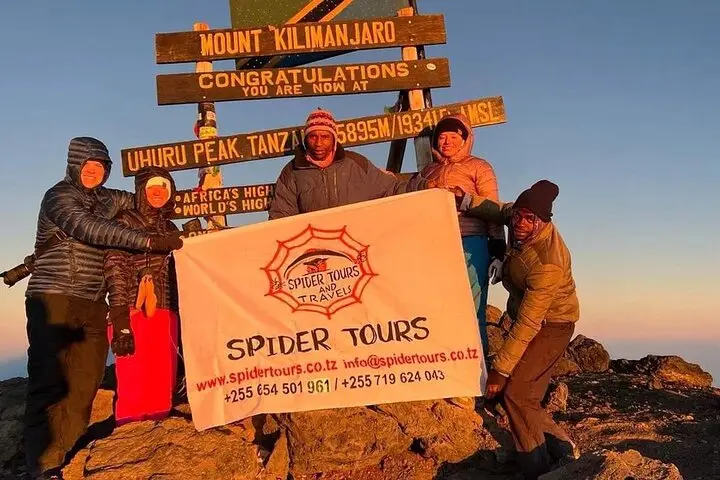
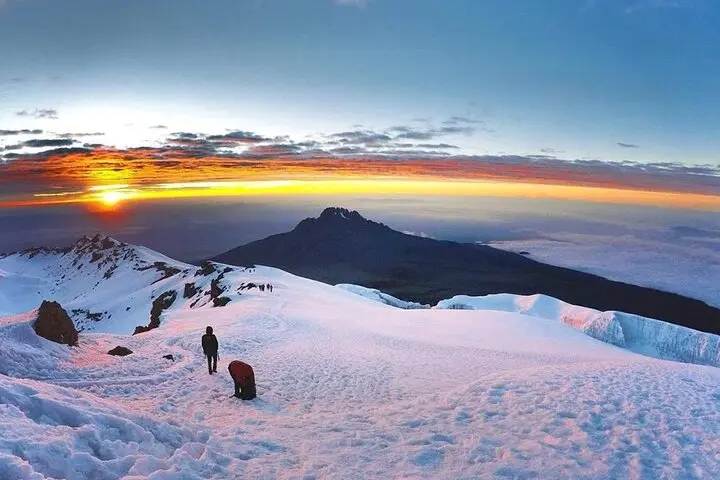
You rise before midnight at Barafu Camp, headlamp haloing a line of sleeping bags and polyesters as the mountain breathes cold air onto your face. The path ahead is a ribbon of headlamp dots easing into the black; each step on thin, loose scree is a small argument with gravity. Hours later, the rim at Stella Point unfurls—pink light breaking over the crater—then the final ridge to Uhuru Peak, where the continent is suddenly underfoot.
You rise before midnight at Barafu Camp, headlamp haloing a line of sleeping bags and polyesters as the mountain breathes cold air onto your face. The path ahead is a ribbon of headlamp dots easing into the black; each step on thin, loose scree is a small argument with gravity. Hours later, the rim at Stella Point unfurls—pink light breaking over the crater—then the final ridge to Uhuru Peak, where the continent is suddenly underfoot.
The Machame Route is a climbing story written in biomes: humid rainforest at Machame Gate (1,800 m), a maze of heather and lobelia on the Shira Plateau (3,800 m), the raw lava desert around the Lava Tower, and the exposed, wind-swept scree of Barafu (4,673 m). This seven-day itinerary stacks acclimatization days to favor summit success—classic “climb high, sleep low” practice—and it’s one reason Machame has a higher summit rate than shorter routes.
Kilimanjaro is a volcanic massif built from successive eruptions of Kibo, Mawenzi and Shira. Uhuru Peak (5,895 m) sits on the rim of Kibo’s crater; glaciers and snow crowns the summit despite the equatorial sun. The Chagga people have lived on the mountain’s lower slopes for centuries, cultivating bananas and coffee in the fertile soils and trading stories of the mountain’s power.
Local operators on Machame emphasize community benefits: trained, licensed guides, cooks and porters who earn fair wages, and environmentally conscious practices—filtered water on trek and proper waste management. The operator for this seven-day voyage includes oxygen, oximeters, three meals a day, 4-season tents and transfers from Kilimanjaro International Airport, a logistical comfort for first-time high-altitude trekkers.
Practicalities: expect 5–7 hours of hiking on most days, with the summit push a 12–15 hour effort that combines steep switchbacks and loose scree. Footwear should be stiff-soled, broken-in mountaineering or heavy trekking boots; gaiters help on scree. Layering is essential—humid forests turn to thin alpine air within two days—so windproof shell, insulated mid-layer and a warm down jacket are non-negotiable. Hydrate constantly; altitude can blunt thirst. Carry a headlamp, spare batteries, trekking poles and basic first-aid. Acclimatization days on Karanga and Shira are there to tip the odds in your favor; use them.
Timing: the best windows are the dry months (late June–early October and late December–February). Expect fog, rain and slippery forest trails on off-season treks. The route is physically demanding but non-technical—no crampons or ropes required—so fitness, respect for altitude, and experienced guides will define your success.
By the descent into Mweka Forest, the mountain’s moods shift again—mist pressing its palm across the trail, birds bold in the canopy—until the gate and a warm vehicle waiting to take you back to Moshi, where coffee and warmth are a small, celebratory mercy.