THE ADVENTURE COLLECTIVE® · Independent discovery and booking for outdoor travel

A private 7‑day journey from Cairo through Giza to a multi‑night Nile cruise, combining the Great Pyramids, Luxor’s tombs and temple complexes, and the slow rhythm of the Nile. Expect long days, guided transfers, and layered history at every stop.
A private 7‑day journey from Cairo through Giza to a multi‑night Nile cruise, combining the Great Pyramids, Luxor’s tombs and temple complexes, and the slow rhythm of the Nile. Expect long days, guided transfers, and layered history at every stop.
The sun lifts off the limestone of Giza and heat shimmers across the plateau as you step from an air‑conditioned van onto the oldest of human-made landscapes. Later, the Nile spreads like a slow ribbon, daring you to trade the city's pulse for the measured sway of a four‑night cruise: palm-lined banks, temple pylons, and feluccas sketching the horizon.
Verified experiences and guided adventures in the surrounding area.
Operated by Hesham Egypt tour guide · Cairo, Cairo
The sun lifts off the limestone of Giza and heat shimmers across the plateau as you step from an air‑conditioned van onto the oldest of human-made landscapes. Later, the Nile spreads like a slow ribbon, daring you to trade the city's pulse for the measured sway of a four‑night cruise: palm-lined banks, temple pylons, and feluccas sketching the horizon.
This itinerary threads Egypt’s defining chapters—Pharaonic tombs and temple complexes from Luxor’s Valley of the Kings to Kom Ombo and the island‑shaped shrine of Philae—set atop Pleistocene limestone and Nile alluvium that shaped millennia of settlement. Cairo’s layers of history follow: Pharaonic artifacts in the Egyptian Museum, then the Mamluk and Ottoman architecture of Old Cairo. Culture here is both ancient ritual and contemporary street life; markets, call to prayer, and riverside cafés sit alongside archaeological walls.
Practical edge: plan for long, hot days and uneven stone underfoot. Early starts avoid crowds at major sites; carry local cash for entry fees and tips. Respect tomb restrictions—some chambers limit photos, others restrict access to protect pigments. Hydrate constantly, wear sun protection and sturdy shoes for temple stairs and desert sand, and expect modest dress in religious and rural areas.
On a private tour, logistics—airport transfers, a guide, and onboard meals for several days—are handled for you, letting the journey keep pace with the Nile’s rhythm while you focus on the sights, the stories etched in stone, and the slow motion of a river that has defined a civilization.
Many tour packages exclude some site entrance fees and special tomb surcharges; confirm with the operator which admissions are covered and budget for additional on‑site payments.
Expect moderate walking—temples and tombs require uphill approaches, steps and uneven surfaces; days include several hours of on‑foot exploration broken up by transfers.
Some seven‑day itineraries include domestic flights between Cairo, Aswan and Luxor, but this varies—verify inclusions at booking to confirm flight segments are provided.
A passport valid for at least six months beyond travel dates is required; many nationalities obtain an e‑visa or visa on arrival—confirm entry rules before travel and have passport copies handy.
Hesham Egypt tour guide operates guided outdoor trips and adventures with an emphasis on safety, stewardship, and memorable experiences.
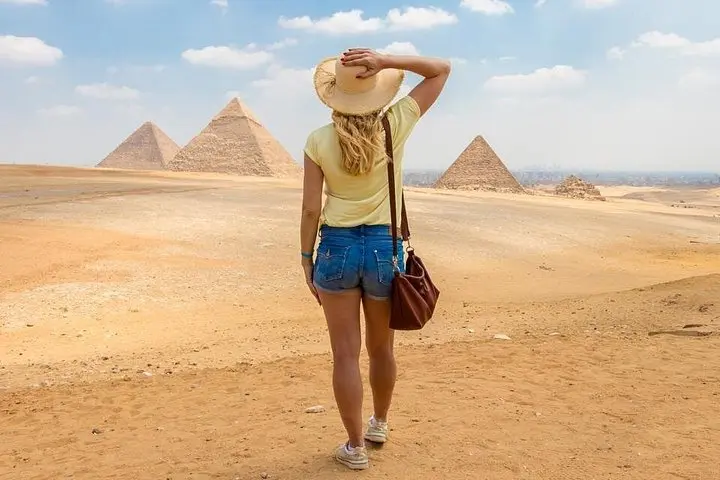
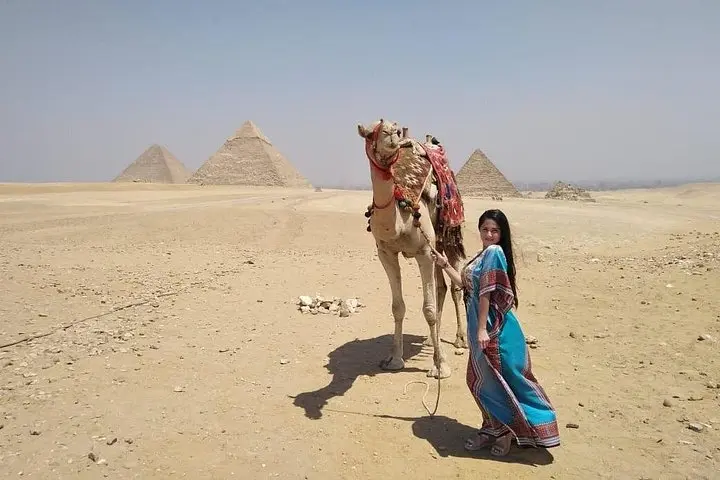
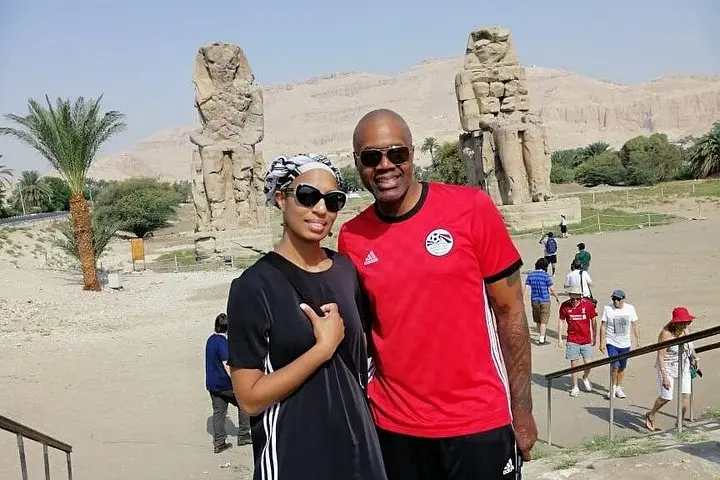
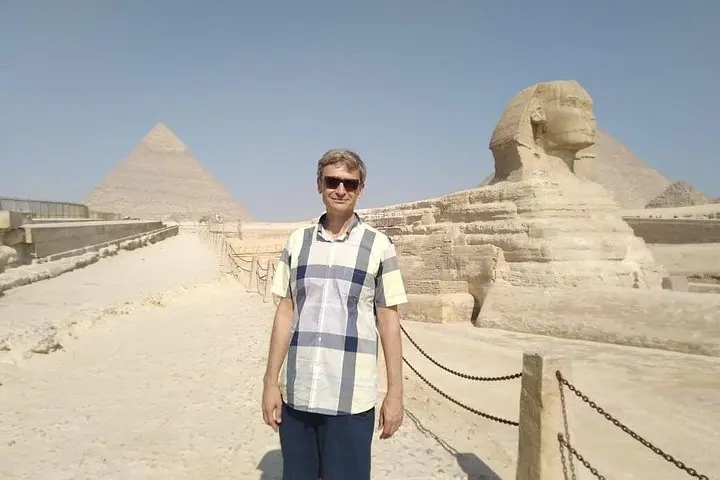
The sun lifts off the limestone of Giza and heat shimmers across the plateau as you step from an air‑conditioned van onto the oldest of human-made landscapes. Later, the Nile spreads like a slow ribbon, daring you to trade the city's pulse for the measured sway of a four‑night cruise: palm-lined banks, temple pylons, and feluccas sketching the horizon.
The sun lifts off the limestone of Giza and heat shimmers across the plateau as you step from an air‑conditioned van onto the oldest of human-made landscapes. Later, the Nile spreads like a slow ribbon, daring you to trade the city's pulse for the measured sway of a four‑night cruise: palm-lined banks, temple pylons, and feluccas sketching the horizon.
This itinerary threads Egypt’s defining chapters—Pharaonic tombs and temple complexes from Luxor’s Valley of the Kings to Kom Ombo and the island‑shaped shrine of Philae—set atop Pleistocene limestone and Nile alluvium that shaped millennia of settlement. Cairo’s layers of history follow: Pharaonic artifacts in the Egyptian Museum, then the Mamluk and Ottoman architecture of Old Cairo. Culture here is both ancient ritual and contemporary street life; markets, call to prayer, and riverside cafés sit alongside archaeological walls.
Practical edge: plan for long, hot days and uneven stone underfoot. Early starts avoid crowds at major sites; carry local cash for entry fees and tips. Respect tomb restrictions—some chambers limit photos, others restrict access to protect pigments. Hydrate constantly, wear sun protection and sturdy shoes for temple stairs and desert sand, and expect modest dress in religious and rural areas.
On a private tour, logistics—airport transfers, a guide, and onboard meals for several days—are handled for you, letting the journey keep pace with the Nile’s rhythm while you focus on the sights, the stories etched in stone, and the slow motion of a river that has defined a civilization.