THE ADVENTURE COLLECTIVE® · Independent discovery and booking for outdoor travel

Traverse the Great Silk Road in seven days: Tashkent’s modern plazas, Samarkand’s turquoise madrassahs, Bukhara’s winding old city, and Khiva’s fortified medina. This private tour blends guided history, local crafts, and traditional food with efficient transport and boutique stays.
Traverse the Great Silk Road in seven days: Tashkent’s modern plazas, Samarkand’s turquoise madrassahs, Bukhara’s winding old city, and Khiva’s fortified medina. This private tour blends guided history, local crafts, and traditional food with efficient transport and boutique stays.
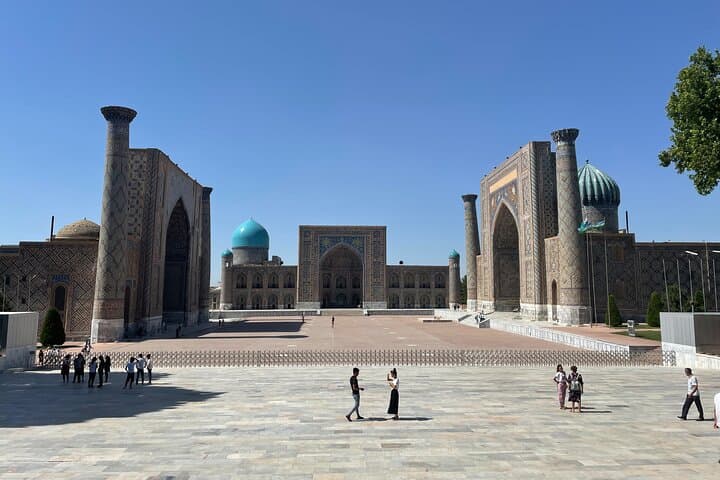
You step out of Tashkent International into a dry, sun-warmed air that seems to carry stories — train whistles, market calls, and the scent of pilaf spilling from roadside cafés. The route threads from Tashkent’s broad avenues to Samarkand’s blue-tiled Registan, through Bukhara’s honey-colored alleys and finally into Khiva’s walled Ichan-Kala, each city a distinct chapter in the same long road.
Verified experiences and guided adventures in the surrounding area.
Operated by Nomad Tours · Tashkent, Tashkent Region
You step out of Tashkent International into a dry, sun-warmed air that seems to carry stories — train whistles, market calls, and the scent of pilaf spilling from roadside cafés. The route threads from Tashkent’s broad avenues to Samarkand’s blue-tiled Registan, through Bukhara’s honey-colored alleys and finally into Khiva’s walled Ichan-Kala, each city a distinct chapter in the same long road.
This seven-day private tour follows arteries of the Great Silk Road: Soviet-era architecture and Soviet-era scars in Tashkent; Timurid mausoleums and 14th-century observatories in Samarkand; UNESCO-listed fortresses in Bukhara; and Khiva’s compact medina, where Zoroastrian traces meet Islamic scholarship. Geologically you move from irrigated river plains fed by the Syr Darya and Amu Darya to steppe and desert edges where salt flats and seasonal lakes punctuate the horizon.
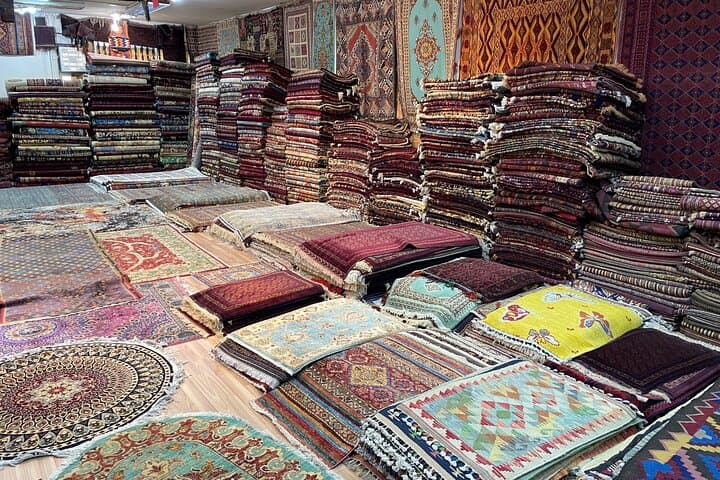
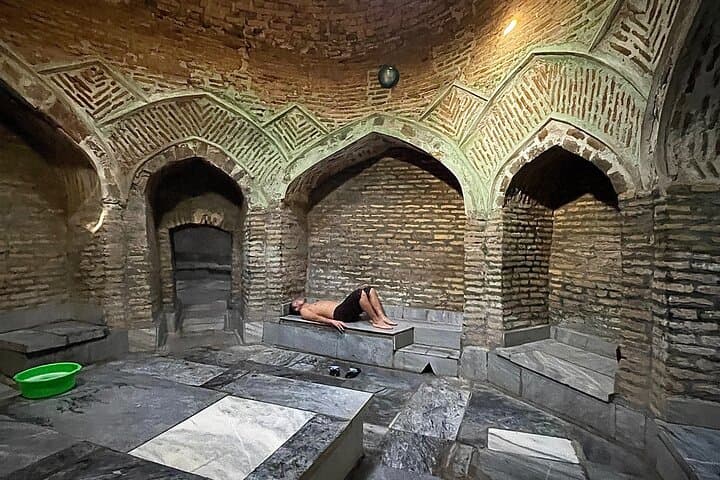
Culturally the trip is hands-on — silk paper workshops, carpet-weaving demonstrations, pilaf cooking classes and a 16th-century hammam visit — that emphasize craft and daily life as much as monuments. Guides explain mosque architecture, caravanserai function, and the role of Amir Timur in shaping the region.
Practical note: expect several early transfers by high-speed train and short walks on uneven stone and cobblestone. Carry cash for bazaar purchases, wear modest clothing for religious sites, and pack sun protection and comfortable walking shoes. Hydrate frequently in the continental climate and allow time for airport transfers; the itinerary is paced but active, ideal for travelers who want deep cultural context without rugged technical demands.
Visa requirements depend on nationality; many countries can obtain e-visas or enter visa-free for short stays — check government sources before booking.
The tour is private and can be adjusted, but it involves walking on uneven surfaces and early transfers; inform the operator of mobility needs when booking.
Uzbek is primary; Russian is common. Professional English-speaking guides accompany key city visits as described in the itinerary.
The itinerary uses a mix of high-speed train, short flights and minivan transfers; exact transport depends on schedules and final confirmations.
Nomad Tours operates guided outdoor trips and adventures with an emphasis on safety, stewardship, and memorable experiences.

You step out of Tashkent International into a dry, sun-warmed air that seems to carry stories — train whistles, market calls, and the scent of pilaf spilling from roadside cafés. The route threads from Tashkent’s broad avenues to Samarkand’s blue-tiled Registan, through Bukhara’s honey-colored alleys and finally into Khiva’s walled Ichan-Kala, each city a distinct chapter in the same long road.
You step out of Tashkent International into a dry, sun-warmed air that seems to carry stories — train whistles, market calls, and the scent of pilaf spilling from roadside cafés. The route threads from Tashkent’s broad avenues to Samarkand’s blue-tiled Registan, through Bukhara’s honey-colored alleys and finally into Khiva’s walled Ichan-Kala, each city a distinct chapter in the same long road.
This seven-day private tour follows arteries of the Great Silk Road: Soviet-era architecture and Soviet-era scars in Tashkent; Timurid mausoleums and 14th-century observatories in Samarkand; UNESCO-listed fortresses in Bukhara; and Khiva’s compact medina, where Zoroastrian traces meet Islamic scholarship. Geologically you move from irrigated river plains fed by the Syr Darya and Amu Darya to steppe and desert edges where salt flats and seasonal lakes punctuate the horizon.
Culturally the trip is hands-on — silk paper workshops, carpet-weaving demonstrations, pilaf cooking classes and a 16th-century hammam visit — that emphasize craft and daily life as much as monuments. Guides explain mosque architecture, caravanserai function, and the role of Amir Timur in shaping the region.
Practical note: expect several early transfers by high-speed train and short walks on uneven stone and cobblestone. Carry cash for bazaar purchases, wear modest clothing for religious sites, and pack sun protection and comfortable walking shoes. Hydrate frequently in the continental climate and allow time for airport transfers; the itinerary is paced but active, ideal for travelers who want deep cultural context without rugged technical demands.