THE ADVENTURE COLLECTIVE® · Independent discovery and booking for outdoor travel

A seven-day Kilimanjaro trek compresses the mountain’s full range—forest to ice—into a measured, acclimatization-focused climb. This guide explains the route’s geology, cultural context, and practical preparations to summit Uhuru Peak.
A seven-day Kilimanjaro trek compresses the mountain’s full range—forest to ice—into a measured, acclimatization-focused climb. This guide explains the route’s geology, cultural context, and practical preparations to summit Uhuru Peak.
Dawn on Kilimanjaro arrives like an unrolling map: first the lowlands around Moshi glow a soft ochre, then the mountain’s throat—forest, heath, alpine desert—unfurls higher into a rim of ice. On a seven-day itinerary, walkers move through those bands with a small caravan of guides and porters, the rhythm set by slow, deliberate steps and the snick of trekking poles. By the final morning, the yawning Kibo crater and the Uhuru Peak sign are not just destinations but earned perspectives—thin air, sharp light, and a quiet that makes even the clouds feel deliberate.
Verified experiences and guided adventures in the surrounding area.
Operated by wilderness Alternative Expedition · Moshi, Kilimanjaro Region
Dawn on Kilimanjaro arrives like an unrolling map: first the lowlands around Moshi glow a soft ochre, then the mountain’s throat—forest, heath, alpine desert—unfurls higher into a rim of ice. On a seven-day itinerary, walkers move through those bands with a small caravan of guides and porters, the rhythm set by slow, deliberate steps and the snick of trekking poles. By the final morning, the yawning Kibo crater and the Uhuru Peak sign are not just destinations but earned perspectives—thin air, sharp light, and a quiet that makes even the clouds feel deliberate.
Geology gives the mountain its character. Kilimanjaro is a stratovolcano made of three cones—Shira, Mawenzi and Kibo—Kibo holding the summit and its crater rim. Scientists date the last eruption of Kibo to roughly 360,000 years ago; today the glaciers that once circled the rim are in retreat, a visible marker of climate change. The national park itself covers about 1,688 square kilometers and was first protected as a game reserve in 1921 before being designated a forest reserve in 1973 and later a UNESCO World Heritage Site.
Culture threads through the climb. The Chagga people have farmed the mountain’s lower slopes for generations, and coffee farms and village homesteads are common approaches to Moshi. Local guides not only navigate the routes but translate mountain lore and weather wisdom; porters make summit attempts possible, carrying tents and provisions and often sharing stories by head-torch light.
Practicality governs success. This seven-day trek is a challenging, non-technical ascent that prioritizes acclimatization—expect 6–8 hours of trekking on summit day with significant elevation gain. Hydration, steady pacing, and a “pole-and-step” approach are essential. Permits and park fees are required; reputable operators include meals, tents and trained guides, but bring layered insulation for alpine nights, a sturdy pair of boots, and a small first-aid kit with altitude medication if advised by a physician.
Logistics: Moshi is the usual base, with transfers by air-conditioned vehicle to trailheads. Weather is variable; plan for sun and heavy wind above 4,000 meters. Respect porters—pack light, tip appropriately, and follow local guidance on leave-no-trace practices. With proper preparation, the 7-day climb to Uhuru is a compact, focused way to reach Africa’s rooftop—an adventure that balances muscular effort with geological scale and human hospitality.
It’s challenging: non-technical but with sustained elevation gain; the itinerary builds acclimatization into the schedule to improve summit odds.
Not strictly, but prior multi-day trekking and good cardiovascular fitness increase comfort and reduce risk of altitude sickness.
Most operators include guides and porters in the package; confirm tipping policy and any extra costs before booking.
The clearest windows are January–February and September–October; these months tend to have more stable weather and better summit visibility.
Yellow fever may be required depending on origin; park permits and rescue fees are mandatory and typically handled by the operator.
Tipping is customary—budget roughly 10–15% of the trip cost split among guides and porters, adjusted for service and group size.
wilderness Alternative Expedition operates guided outdoor trips and adventures with an emphasis on safety, stewardship, and memorable experiences.



Dawn on Kilimanjaro arrives like an unrolling map: first the lowlands around Moshi glow a soft ochre, then the mountain’s throat—forest, heath, alpine desert—unfurls higher into a rim of ice. On a seven-day itinerary, walkers move through those bands with a small caravan of guides and porters, the rhythm set by slow, deliberate steps and the snick of trekking poles. By the final morning, the yawning Kibo crater and the Uhuru Peak sign are not just destinations but earned perspectives—thin air, sharp light, and a quiet that makes even the clouds feel deliberate.
Dawn on Kilimanjaro arrives like an unrolling map: first the lowlands around Moshi glow a soft ochre, then the mountain’s throat—forest, heath, alpine desert—unfurls higher into a rim of ice. On a seven-day itinerary, walkers move through those bands with a small caravan of guides and porters, the rhythm set by slow, deliberate steps and the snick of trekking poles. By the final morning, the yawning Kibo crater and the Uhuru Peak sign are not just destinations but earned perspectives—thin air, sharp light, and a quiet that makes even the clouds feel deliberate.
Geology gives the mountain its character. Kilimanjaro is a stratovolcano made of three cones—Shira, Mawenzi and Kibo—Kibo holding the summit and its crater rim. Scientists date the last eruption of Kibo to roughly 360,000 years ago; today the glaciers that once circled the rim are in retreat, a visible marker of climate change. The national park itself covers about 1,688 square kilometers and was first protected as a game reserve in 1921 before being designated a forest reserve in 1973 and later a UNESCO World Heritage Site.
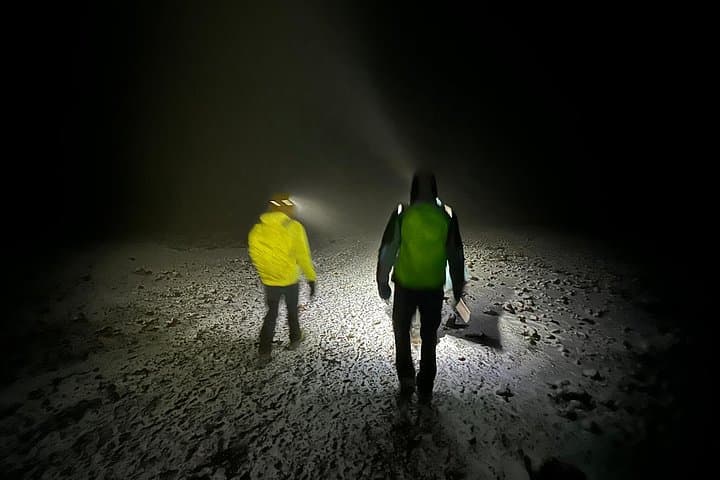
Culture threads through the climb. The Chagga people have farmed the mountain’s lower slopes for generations, and coffee farms and village homesteads are common approaches to Moshi. Local guides not only navigate the routes but translate mountain lore and weather wisdom; porters make summit attempts possible, carrying tents and provisions and often sharing stories by head-torch light.
Practicality governs success. This seven-day trek is a challenging, non-technical ascent that prioritizes acclimatization—expect 6–8 hours of trekking on summit day with significant elevation gain. Hydration, steady pacing, and a “pole-and-step” approach are essential. Permits and park fees are required; reputable operators include meals, tents and trained guides, but bring layered insulation for alpine nights, a sturdy pair of boots, and a small first-aid kit with altitude medication if advised by a physician.
Logistics: Moshi is the usual base, with transfers by air-conditioned vehicle to trailheads. Weather is variable; plan for sun and heavy wind above 4,000 meters. Respect porters—pack light, tip appropriately, and follow local guidance on leave-no-trace practices. With proper preparation, the 7-day climb to Uhuru is a compact, focused way to reach Africa’s rooftop—an adventure that balances muscular effort with geological scale and human hospitality.