THE ADVENTURE COLLECTIVE® · Independent discovery and booking for outdoor travel

Cross the Uzbekistan–Tajikistan border for a one-day sweep through Penjikent and the Fann Mountains to the Seven Lakes (Haft Kul). Expect high alpine colors, rough roads, and a long but rewarding day of remote scenery.
Cross the Uzbekistan–Tajikistan border for a one-day sweep through Penjikent and the Fann Mountains to the Seven Lakes (Haft Kul). Expect high alpine colors, rough roads, and a long but rewarding day of remote scenery.
You step off the van where the asphalt gives up to gravel and the Fann Mountains take control of the skyline. A string of lakes lies ahead, each a different blue that seems to argue with the next; wind skims across the upper basins and the mountain air pushes into your lungs with a clear, cold insistence.
Verified experiences and guided adventures in the surrounding area.
Operated by Samaria Travel · Penjikent, Sughd
You step off the van where the asphalt gives up to gravel and the Fann Mountains take control of the skyline. A string of lakes lies ahead, each a different blue that seems to argue with the next; wind skims across the upper basins and the mountain air pushes into your lungs with a clear, cold insistence.
The route runs through Penjikent, an archaeological stronghold once called the Pompeii of Central Asia, where Sogdian frescoes and Silk Road trade left visible marks. Geologically the Fanns are young jagged ranges—glacially carved bowls and moraine-dammed lakes at roughly 2,000–2,500 m—so expect sharp ridgelines and sudden drops in vegetation.
Local culture is a mix of Tajik village life and mountain shepherding; you may glimpse terraces, stone huts, and pastures where sheep graze. The lakes—Haft Kul—have names and moods: some glassy and placid, others stirred to ripples by passing winds that seem to dare you to linger.
Practically: this is a long day with a border crossing, bumpy gravel roads, and limited services. Bring your passport and required visas, pack food and at least 1–2 liters of water, and wear sturdy shoes for short lakeside walks. Weather can flip fast—layers are essential—and mobile reception disappears in the high basin. Guides and drivers manage the logistics, but flexibility is necessary: road or border delays can shorten how many lakes you reach. Arrive early from Samarkand for maximum daylight; the payoff is clear—dramatic views, isolated alpine water, and a sense of having reached a remote corner of Central Asia.
Yes—most travelers need a Tajik e-visa or visa on arrival depending on nationality; arrange the Tajik online visa at least seven days before travel.
Possibly: road, weather, or border delays can limit access—guides aim to visit as many lakes as practical but no refunds are given if the full route is curtailed.
Plan about 30–60 minutes for the crossing, though times vary with queues and documentation checks.
No—meals are not included and there are no shops at the lakes, so bring a picnic or snacks for the day.
Samaria Travel operates guided outdoor trips and adventures with an emphasis on safety, stewardship, and memorable experiences.
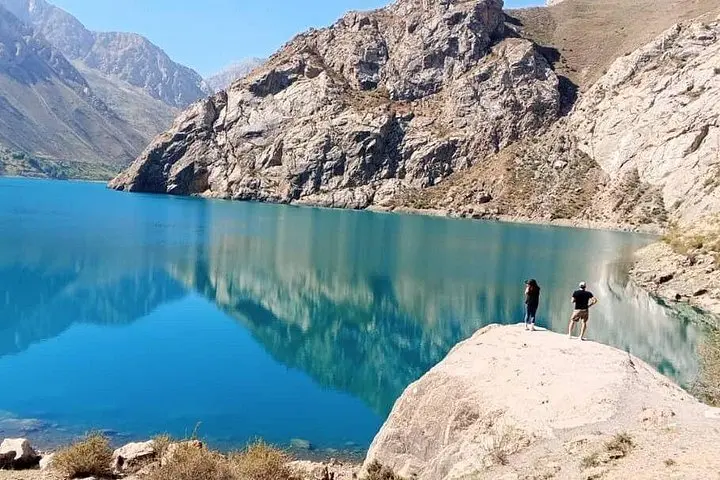
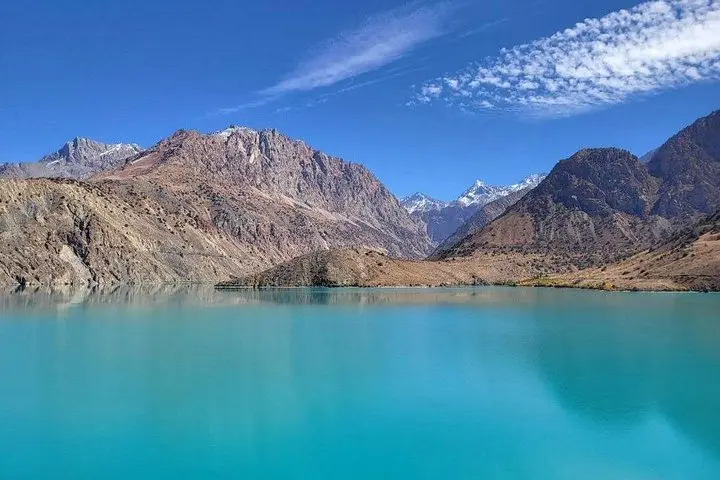
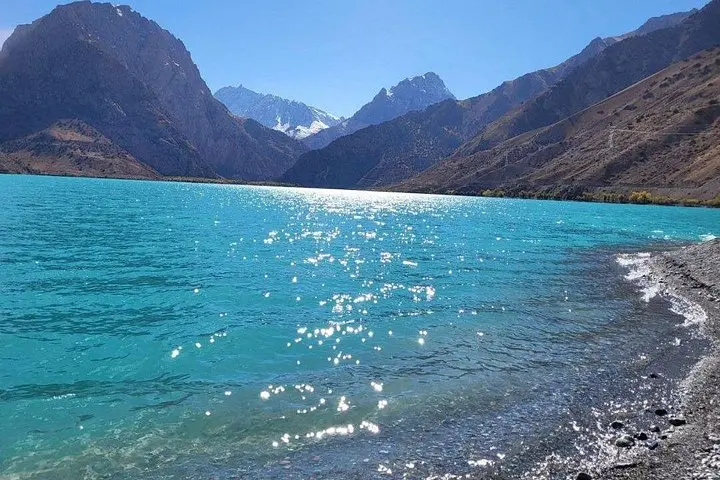
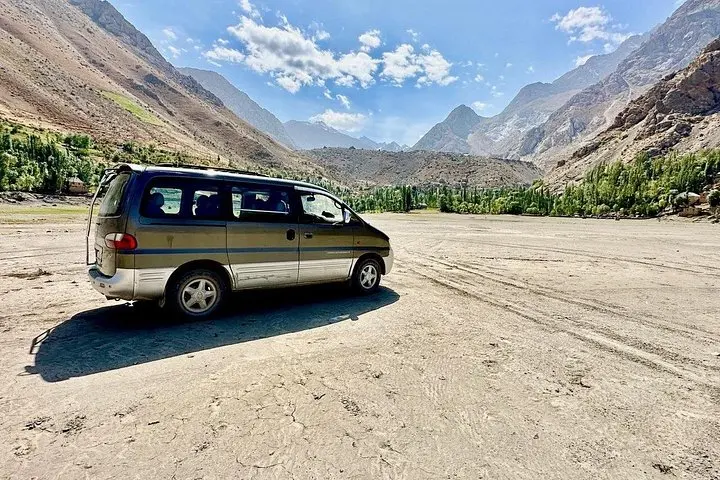
You step off the van where the asphalt gives up to gravel and the Fann Mountains take control of the skyline. A string of lakes lies ahead, each a different blue that seems to argue with the next; wind skims across the upper basins and the mountain air pushes into your lungs with a clear, cold insistence.
You step off the van where the asphalt gives up to gravel and the Fann Mountains take control of the skyline. A string of lakes lies ahead, each a different blue that seems to argue with the next; wind skims across the upper basins and the mountain air pushes into your lungs with a clear, cold insistence.
The route runs through Penjikent, an archaeological stronghold once called the Pompeii of Central Asia, where Sogdian frescoes and Silk Road trade left visible marks. Geologically the Fanns are young jagged ranges—glacially carved bowls and moraine-dammed lakes at roughly 2,000–2,500 m—so expect sharp ridgelines and sudden drops in vegetation.
Local culture is a mix of Tajik village life and mountain shepherding; you may glimpse terraces, stone huts, and pastures where sheep graze. The lakes—Haft Kul—have names and moods: some glassy and placid, others stirred to ripples by passing winds that seem to dare you to linger.
Practically: this is a long day with a border crossing, bumpy gravel roads, and limited services. Bring your passport and required visas, pack food and at least 1–2 liters of water, and wear sturdy shoes for short lakeside walks. Weather can flip fast—layers are essential—and mobile reception disappears in the high basin. Guides and drivers manage the logistics, but flexibility is necessary: road or border delays can shorten how many lakes you reach. Arrive early from Samarkand for maximum daylight; the payoff is clear—dramatic views, isolated alpine water, and a sense of having reached a remote corner of Central Asia.