THE ADVENTURE COLLECTIVE® · Independent discovery and booking for outdoor travel

A long day that trades Samarkand’s monuments for high-mountain color: the Haft Kul (Seven Lakes) are an 11-hour cross-border excursion into the Fann Mountains, where linked alpine basins and ancient sites meet hardy trails and sweeping views.
A long day that trades Samarkand’s monuments for high-mountain color: the Haft Kul (Seven Lakes) are an 11-hour cross-border excursion into the Fann Mountains, where linked alpine basins and ancient sites meet hardy trails and sweeping views.
At first light the valley exhales a cool, mineral-scented breath and the cascade of Haft Kul begins to appear: a string of high-altitude mirrors that flash greens and blues as clouds slide over the ridgelines. The route moves from Samarkand across a short border corridor into Tajikistan, through Penjikent’s bazaar bustle and toward the Fan Mountains where seven linked lakes step up from 1,640 to roughly 2,400 meters.
Verified experiences and guided adventures in the surrounding area.
Operated by Bunyod-Tour · Penjikent, Sughd
At first light the valley exhales a cool, mineral-scented breath and the cascade of Haft Kul begins to appear: a string of high-altitude mirrors that flash greens and blues as clouds slide over the ridgelines. The route moves from Samarkand across a short border corridor into Tajikistan, through Penjikent’s bazaar bustle and toward the Fan Mountains where seven linked lakes step up from 1,640 to roughly 2,400 meters.
These basins sit in the Shing River gorge; their terraces and nearby petroglyphs point to a landscape used and observed for millennia. Sarazm, visited en route, is a UNESCO-listed archaeological site dating to the 4th–2nd millennia BCE and shows how this valley long connected trade, herding and nascent urban life. Geologically the lakes are fed by mountain runoff and perched moraines, so color and flow shift with the season and melt; Marguzor is the largest, Hazorchashma the highest.
Expect steep stone steps and short scree talus between lakes, intermittent alpine meadows and fast streams that dare you to slow. Cultural touches — Penjikent’s market, the Rudaki museum — anchor the day in local life.
Practical note: this is an 11-hour day trip with border formalities. Bring passport copies, sturdy footwear, layered clothing, sun protection and 2–3 liters of water. Start early to avoid afternoon clouds and allow time at Mijgon and Marguzor for photos. Moderate fitness and good balance on uneven trails will make the day rewarding rather than rushed.
Visa requirements depend on your nationality; because the tour crosses from Uzbekistan into Tajikistan, check both countries’ entry rules and bring passport copies—your operator can advise current procedures.
Trails are generally short but uneven with occasional steep steps and scree; the trip is rated moderate and requires steady footing rather than technical climbing.
Lunch is included, typically at a village or base area; toilets are limited in the high-mountain sections, so plan accordingly.
Lakes range from about 1,640 to 2,400 meters; most travelers handle this without formal acclimatization but take it easy if you’re sensitive to altitude.
Bunyod-Tour operates guided outdoor trips and adventures with an emphasis on safety, stewardship, and memorable experiences.
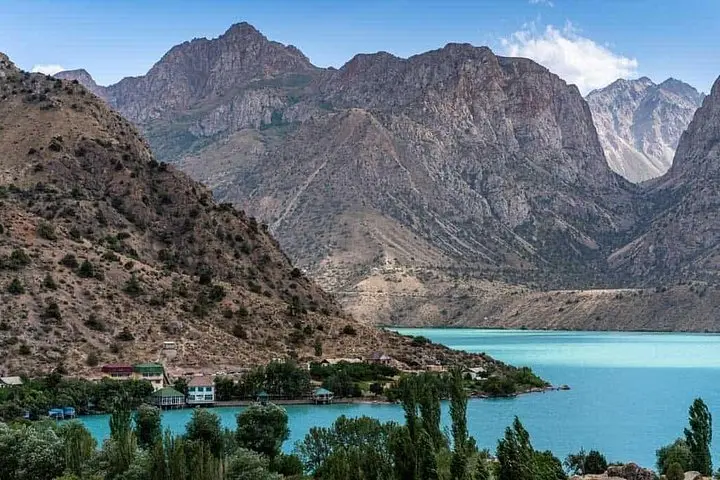
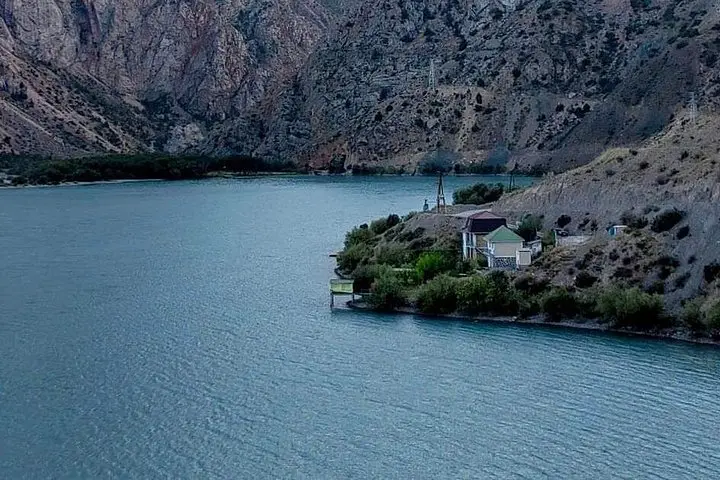
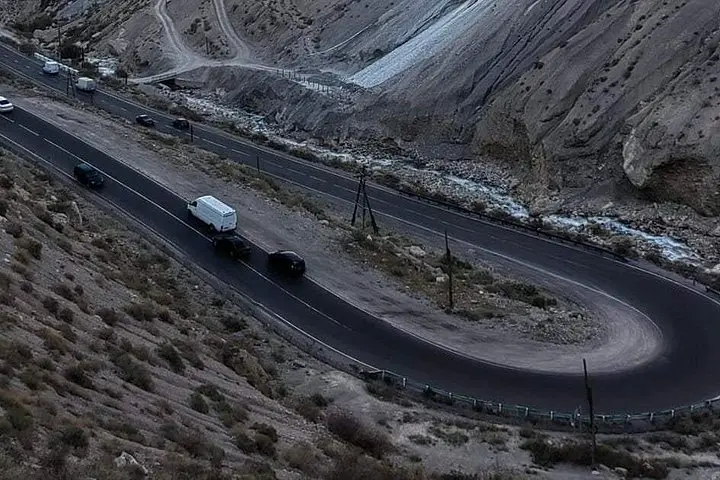
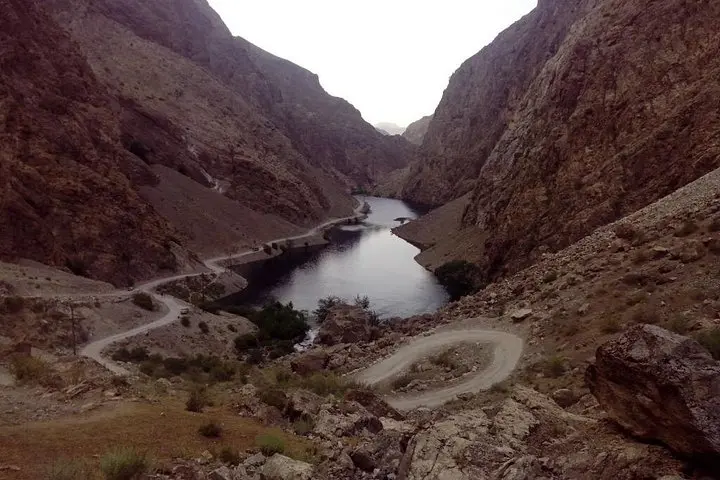
At first light the valley exhales a cool, mineral-scented breath and the cascade of Haft Kul begins to appear: a string of high-altitude mirrors that flash greens and blues as clouds slide over the ridgelines. The route moves from Samarkand across a short border corridor into Tajikistan, through Penjikent’s bazaar bustle and toward the Fan Mountains where seven linked lakes step up from 1,640 to roughly 2,400 meters.
At first light the valley exhales a cool, mineral-scented breath and the cascade of Haft Kul begins to appear: a string of high-altitude mirrors that flash greens and blues as clouds slide over the ridgelines. The route moves from Samarkand across a short border corridor into Tajikistan, through Penjikent’s bazaar bustle and toward the Fan Mountains where seven linked lakes step up from 1,640 to roughly 2,400 meters.
These basins sit in the Shing River gorge; their terraces and nearby petroglyphs point to a landscape used and observed for millennia. Sarazm, visited en route, is a UNESCO-listed archaeological site dating to the 4th–2nd millennia BCE and shows how this valley long connected trade, herding and nascent urban life. Geologically the lakes are fed by mountain runoff and perched moraines, so color and flow shift with the season and melt; Marguzor is the largest, Hazorchashma the highest.
Expect steep stone steps and short scree talus between lakes, intermittent alpine meadows and fast streams that dare you to slow. Cultural touches — Penjikent’s market, the Rudaki museum — anchor the day in local life.
Practical note: this is an 11-hour day trip with border formalities. Bring passport copies, sturdy footwear, layered clothing, sun protection and 2–3 liters of water. Start early to avoid afternoon clouds and allow time at Mijgon and Marguzor for photos. Moderate fitness and good balance on uneven trails will make the day rewarding rather than rushed.