THE ADVENTURE COLLECTIVE® · Independent discovery and booking for outdoor travel

A two-day private trek through Tajikistan’s Seven Lakes (Haft Kul) traverses 1,640–2,400 m altitudes, weaving alpine lakes, petroglyphs and classic Fan Mountain geology. Expect rugged trails, fast streams, and a hostel night in Penjikent.
A two-day private trek through Tajikistan’s Seven Lakes (Haft Kul) traverses 1,640–2,400 m altitudes, weaving alpine lakes, petroglyphs and classic Fan Mountain geology. Expect rugged trails, fast streams, and a hostel night in Penjikent.
Morning light cuts across the Fan Mountains and the Shing River dares you toward a string of alpine pools whose colors shift from jade to cobalt as clouds move.
Verified experiences and guided adventures in the surrounding area.
Operated by Bunyod-Tour · Penjikent, Sughd
Morning light cuts across the Fan Mountains and the Shing River dares you toward a string of alpine pools whose colors shift from jade to cobalt as clouds move.
On this private two-day trek through Haft Kul — the Seven Lakes — hikers move between Mizhgon at 1,640 m and Hazorchashma at 2,400 m, covering more than 14 km of trail and about 760 m of total elevation difference. The route threads rocky gullies, scree slopes and short forested sections while fast streams braid the valley floor; Marguzor, the largest lake, sits highest on the itinerary as a broad sheet of clear water.
The area bears human marks as well: ancient petroglyphs line one lakeshore and the Sarazm archaeological site near Penjikent, a UNESCO-recognized settlement, speaks to 5,500 years of regional occupation. Geologically the Fans are steep, uplifted blocks of Paleozoic rock; glacial action and meltwater have carved the cirques that hold these lakes. Locally, villages like Padrut still practice seasonal grazing, and Rudaki’s mausoleum in the valley ties the landscape to Tajik cultural history.
Practically, expect two long days with guided hikes, one hostel night and shared meals. Trails can be narrow and uneven; weather changes quickly at altitude, so plan layered clothing and waterproofs. Hydrate early and pace up switchbacks — the best views arrive after the toughest steps. Leave no trace: the high-alpine grasses recover slowly, so pack out waste and stick to established paths to protect fragile slopes.
Expect narrow alpine trails, rocky steps and occasional scree; guides manage route finding, but good balance and sure-footedness are necessary.
Yes — elevations reach 2,400 m; acclimatize in Penjikent or Dushanbe, ascend at an easy pace and stay hydrated; tell guides if you feel unwell.
Typical inclusions are transport from pickup points, meals as listed (breakfast, lunches, dinner), one hostel night, guiding and park fees; confirm specifics when booking.
Late spring to early autumn (May–September) offers the most reliable access; early spring can have snow on higher passes and winter is generally impractical without specialized gear.
Bunyod-Tour operates guided outdoor trips and adventures with an emphasis on safety, stewardship, and memorable experiences.
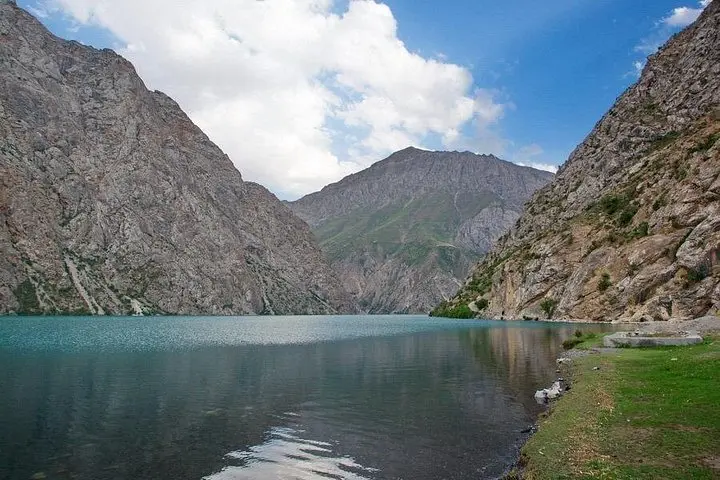
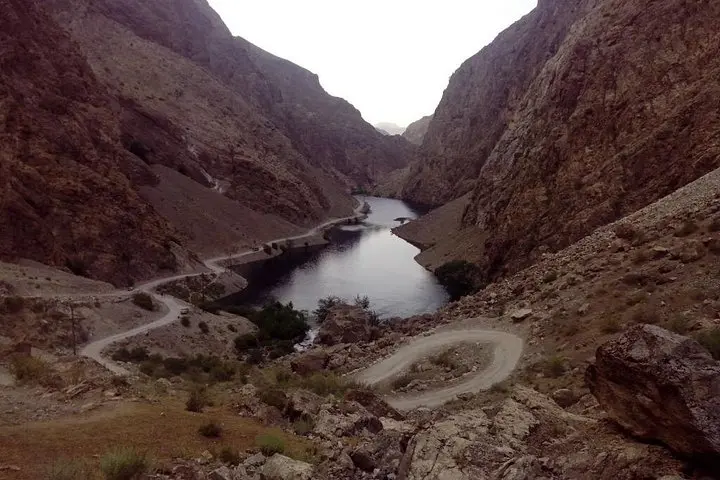
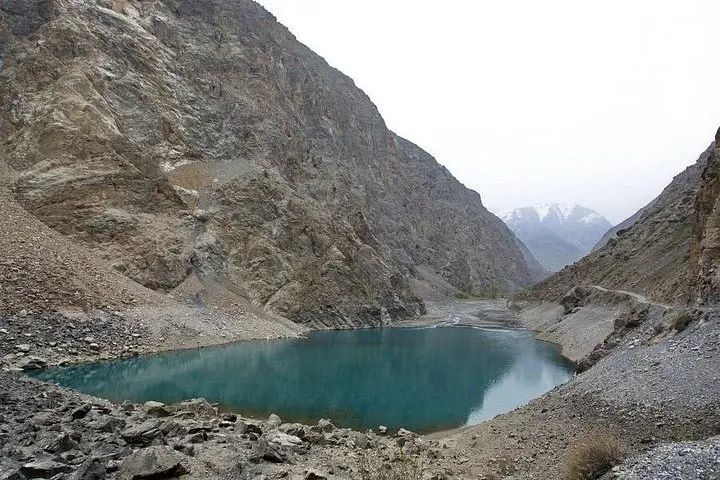
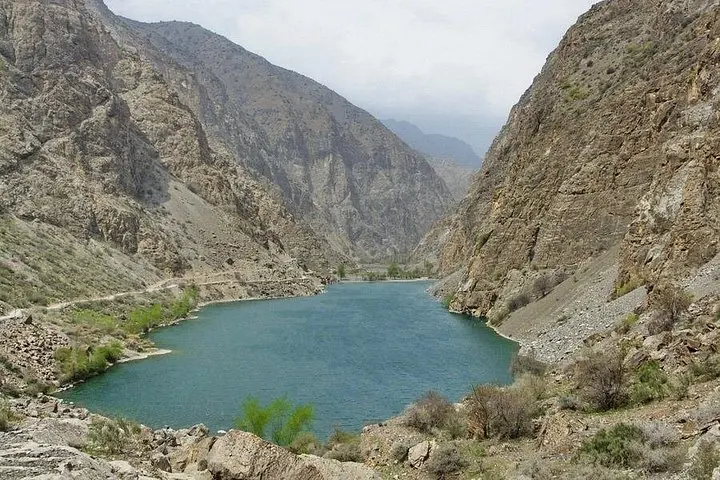
Morning light cuts across the Fan Mountains and the Shing River dares you toward a string of alpine pools whose colors shift from jade to cobalt as clouds move.
Morning light cuts across the Fan Mountains and the Shing River dares you toward a string of alpine pools whose colors shift from jade to cobalt as clouds move.
On this private two-day trek through Haft Kul — the Seven Lakes — hikers move between Mizhgon at 1,640 m and Hazorchashma at 2,400 m, covering more than 14 km of trail and about 760 m of total elevation difference. The route threads rocky gullies, scree slopes and short forested sections while fast streams braid the valley floor; Marguzor, the largest lake, sits highest on the itinerary as a broad sheet of clear water.
The area bears human marks as well: ancient petroglyphs line one lakeshore and the Sarazm archaeological site near Penjikent, a UNESCO-recognized settlement, speaks to 5,500 years of regional occupation. Geologically the Fans are steep, uplifted blocks of Paleozoic rock; glacial action and meltwater have carved the cirques that hold these lakes. Locally, villages like Padrut still practice seasonal grazing, and Rudaki’s mausoleum in the valley ties the landscape to Tajik cultural history.
Practically, expect two long days with guided hikes, one hostel night and shared meals. Trails can be narrow and uneven; weather changes quickly at altitude, so plan layered clothing and waterproofs. Hydrate early and pace up switchbacks — the best views arrive after the toughest steps. Leave no trace: the high-alpine grasses recover slowly, so pack out waste and stick to established paths to protect fragile slopes.