THE ADVENTURE COLLECTIVE® · Independent discovery and booking for outdoor travel

Float above the Nile at sunrise, step into millennia-old temples, and sail through Nubian villages on this 7-night Luxor–Aswan cruise. A mix of hot-air ballooning, temple tours and onboard relaxation makes for an accessible cultural adventure.
Float above the Nile at sunrise, step into millennia-old temples, and sail through Nubian villages on this 7-night Luxor–Aswan cruise. A mix of hot-air ballooning, temple tours and onboard relaxation makes for an accessible cultural adventure.
Dawn lifts off over the Nile and the balloon’s basket hums as the river unravels beneath you—green ribbons of palms, flat islands, and the low stone of millennia. This seven-night cruise moves at the river’s pace: mornings ashore at temple doorways, afternoons drifting past Nubian villages, evenings spent on a sun deck watching light slide off sandstone.
Verified experiences and guided adventures in the surrounding area.
Operated by Nile Prince Travel · Luxor, Luxor Governorate
Dawn lifts off over the Nile and the balloon’s basket hums as the river unravels beneath you—green ribbons of palms, flat islands, and the low stone of millennia. This seven-night cruise moves at the river’s pace: mornings ashore at temple doorways, afternoons drifting past Nubian villages, evenings spent on a sun deck watching light slide off sandstone.
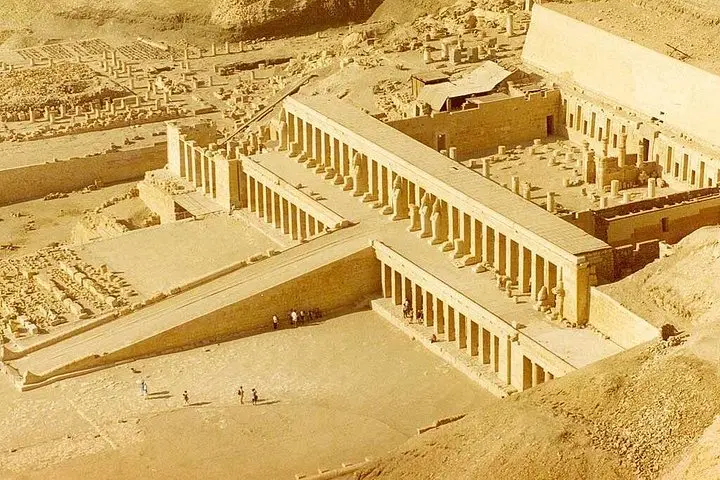
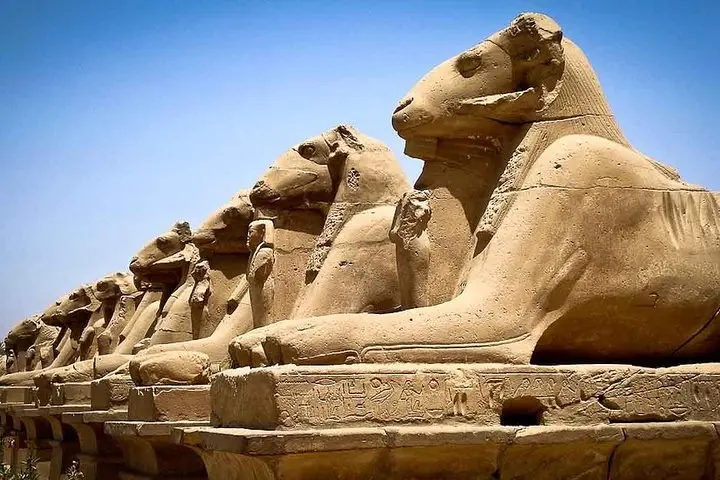
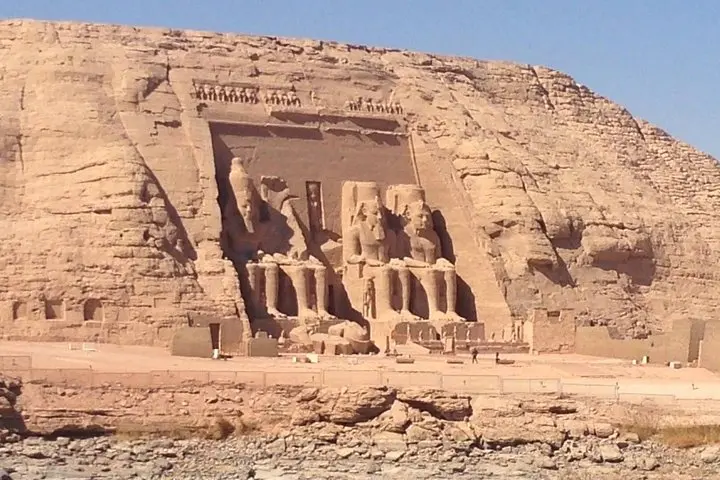
The route follows Egypt’s ancient artery between Luxor and Aswan, passing key Pharaonic sites—Valley of the Kings and Hatshepsut on the west bank, Kom Ombo and Edfu mid-route, and the colossal Abu Simbel carved by Ramses II far to the south. Geologically, the river carves through alluvial plains hemmed by desert plateaus; the contrast between irrigated farmland and ochre stone explains why these temples sit where they do.
Culture here is direct: boat crews, Nile ferrymen, and market vendors still work by rhythms older than paved roads. Expect guided Egyptology briefings at major sites and time to explore local souks in Luxor and Aswan.
Practical details: the cruise includes three daily meals, cabin accommodation, transfers, and guided tours; dress for heat—light, breathable fabrics and a sun hat are essential. Many temple visits involve uneven stone steps and short walks; bring comfortable walking shoes and water. Early starts (for Abu Simbel and the balloon) mean packing a small day bag. Reserve sunscreen and a refillable bottle; Wi‑Fi is often limited. With basic mobility and heat tolerance, this itinerary offers a compact, accessible way to experience the Nile’s history and living culture.
The itinerary lists a hot-air balloon experience; confirm at booking whether that is included or offered as an optional add-on and note any age or weight restrictions.
The cruise notes guided visits to listed sites; verify with the operator whether all ticketed admissions (including Abu Simbel and balloon) are included in the quoted price.
The tour is described as suitable for all fitness levels, but temple sites have uneven surfaces and steps; request specific assistance and vehicle access when booking if you have mobility needs.
Egyptian pounds are standard for small purchases; tipping (baksheesh) for guides, drivers, and ship staff is customary—carry small notes and ask your guide for suggested amounts.
Nile Prince Travel operates guided outdoor trips and adventures with an emphasis on safety, stewardship, and memorable experiences.
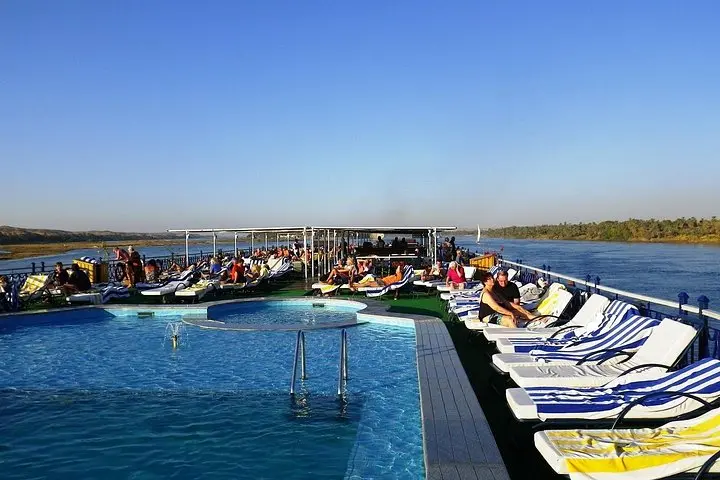
Dawn lifts off over the Nile and the balloon’s basket hums as the river unravels beneath you—green ribbons of palms, flat islands, and the low stone of millennia. This seven-night cruise moves at the river’s pace: mornings ashore at temple doorways, afternoons drifting past Nubian villages, evenings spent on a sun deck watching light slide off sandstone.
Dawn lifts off over the Nile and the balloon’s basket hums as the river unravels beneath you—green ribbons of palms, flat islands, and the low stone of millennia. This seven-night cruise moves at the river’s pace: mornings ashore at temple doorways, afternoons drifting past Nubian villages, evenings spent on a sun deck watching light slide off sandstone.
The route follows Egypt’s ancient artery between Luxor and Aswan, passing key Pharaonic sites—Valley of the Kings and Hatshepsut on the west bank, Kom Ombo and Edfu mid-route, and the colossal Abu Simbel carved by Ramses II far to the south. Geologically, the river carves through alluvial plains hemmed by desert plateaus; the contrast between irrigated farmland and ochre stone explains why these temples sit where they do.
Culture here is direct: boat crews, Nile ferrymen, and market vendors still work by rhythms older than paved roads. Expect guided Egyptology briefings at major sites and time to explore local souks in Luxor and Aswan.
Practical details: the cruise includes three daily meals, cabin accommodation, transfers, and guided tours; dress for heat—light, breathable fabrics and a sun hat are essential. Many temple visits involve uneven stone steps and short walks; bring comfortable walking shoes and water. Early starts (for Abu Simbel and the balloon) mean packing a small day bag. Reserve sunscreen and a refillable bottle; Wi‑Fi is often limited. With basic mobility and heat tolerance, this itinerary offers a compact, accessible way to experience the Nile’s history and living culture.