THE ADVENTURE COLLECTIVE® · Independent discovery and booking for outdoor travel

A two-day loop that pairs high-alpine hiking among the Seven Rila Lakes with a cultural visit to the 10th-century Rila Monastery. Expect steep, glacial terrain, an overnight mountain hut, and vivid mountain-to-monastery contrasts.
A two-day loop that pairs high-alpine hiking among the Seven Rila Lakes with a cultural visit to the 10th-century Rila Monastery. Expect steep, glacial terrain, an overnight mountain hut, and vivid mountain-to-monastery contrasts.
High above the tree line the air thins and the cirque of the Seven Rila Lakes opens like a stepped amphitheater—the lakes reflecting sky and stone in frames carved by ice. On day one you climb through puckered moraine and granite ribs toward Haramiyata (2,465 m), stopping at mirror-blue basins named Tear, Eye and Twin before night in the Ivan Vazov hut at roughly 2,300 m.
Verified experiences and guided adventures in the surrounding area.
Operated by The Trips · Rila, Kyustendil Province
High above the tree line the air thins and the cirque of the Seven Rila Lakes opens like a stepped amphitheater—the lakes reflecting sky and stone in frames carved by ice. On day one you climb through puckered moraine and granite ribs toward Haramiyata (2,465 m), stopping at mirror-blue basins named Tear, Eye and Twin before night in the Ivan Vazov hut at roughly 2,300 m.
Rila’s story is written in rock and faith. The alpine relief dates to the Würm glaciation; more than 120 glacial lakes trace rivers that feed the Balkans. On day two the route shifts from alpine to cultural terrain as you descend toward Rila Monastery, founded in the 10th century and rebuilt repeatedly after Ottoman-era fires — a living archive of Bulgarian Orthodox art and manuscript traditions.
Expect steep granite steps, grassy ledges, and short snowfields depending on season. Trails can be rocky and exposed; a one-way chairlift trims ascent time on many itineraries but you’ll still gain altitude and cover uneven ground.
Practical notes: allow for 6–9 hours of hiking per day, carry layered clothing for sudden wind and sun, and use a headlamp for early starts or late finishes. Hydrate and plan for altitude-related fatigue above 2,000 m. Respect fragile alpine meadows and the monastery’s rules: no loud groups inside sacred buildings and follow Leave No Trace. For hikers who want raw mountain panoramas followed by centuries of culture, this two-day loop delivers a compact, high-country experience with a pragmatic footprint.
The route is challenging due to elevation gain, rocky footing and long hiking days; a moderate to high level of fitness is recommended.
The itinerary includes Rila National Park fee and access, but donations or paid exhibitions at the monastery may be separate—check with the operator.
In spring and after early snowfall, microspikes are recommended for short snowfields; in summer they’re typically unnecessary.
Experienced hikers can navigate the area alone, but a guide adds logistical ease, local knowledge, and transport between sites—useful on a 2-day schedule.
The Trips operates guided outdoor trips and adventures with an emphasis on safety, stewardship, and memorable experiences.
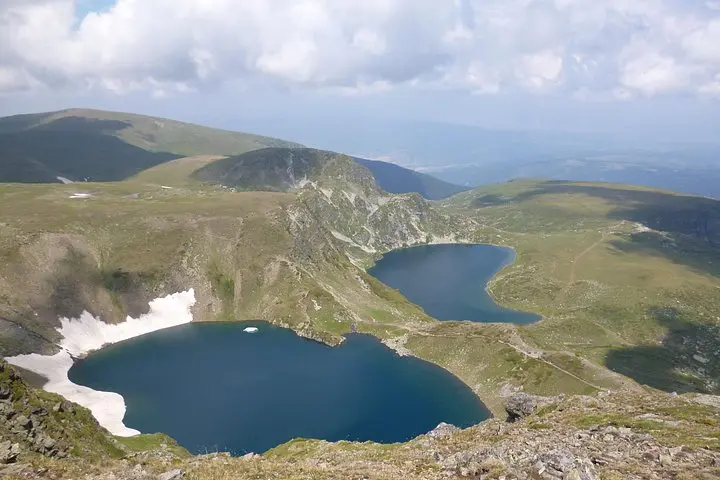
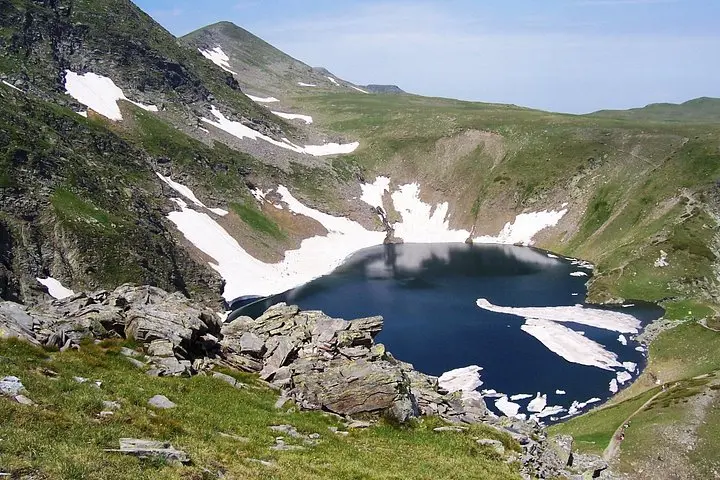
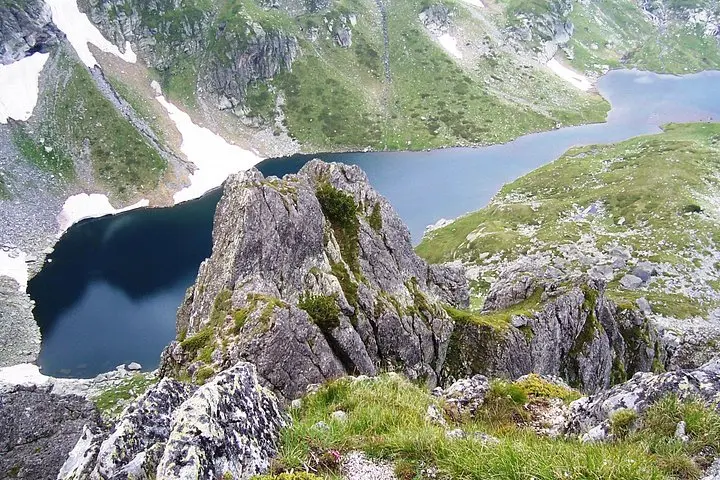
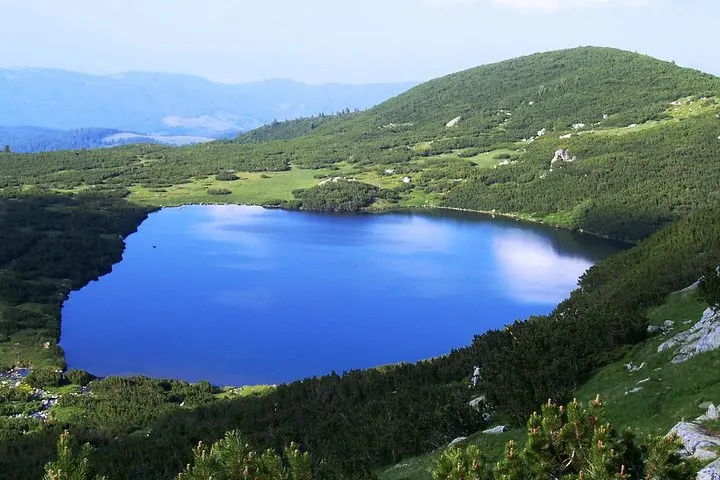
High above the tree line the air thins and the cirque of the Seven Rila Lakes opens like a stepped amphitheater—the lakes reflecting sky and stone in frames carved by ice. On day one you climb through puckered moraine and granite ribs toward Haramiyata (2,465 m), stopping at mirror-blue basins named Tear, Eye and Twin before night in the Ivan Vazov hut at roughly 2,300 m.
High above the tree line the air thins and the cirque of the Seven Rila Lakes opens like a stepped amphitheater—the lakes reflecting sky and stone in frames carved by ice. On day one you climb through puckered moraine and granite ribs toward Haramiyata (2,465 m), stopping at mirror-blue basins named Tear, Eye and Twin before night in the Ivan Vazov hut at roughly 2,300 m.
Rila’s story is written in rock and faith. The alpine relief dates to the Würm glaciation; more than 120 glacial lakes trace rivers that feed the Balkans. On day two the route shifts from alpine to cultural terrain as you descend toward Rila Monastery, founded in the 10th century and rebuilt repeatedly after Ottoman-era fires — a living archive of Bulgarian Orthodox art and manuscript traditions.
Expect steep granite steps, grassy ledges, and short snowfields depending on season. Trails can be rocky and exposed; a one-way chairlift trims ascent time on many itineraries but you’ll still gain altitude and cover uneven ground.
Practical notes: allow for 6–9 hours of hiking per day, carry layered clothing for sudden wind and sun, and use a headlamp for early starts or late finishes. Hydrate and plan for altitude-related fatigue above 2,000 m. Respect fragile alpine meadows and the monastery’s rules: no loud groups inside sacred buildings and follow Leave No Trace. For hikers who want raw mountain panoramas followed by centuries of culture, this two-day loop delivers a compact, high-country experience with a pragmatic footprint.