THE ADVENTURE COLLECTIVE® · Independent discovery and booking for outdoor travel

Hike the Seven Stones Path between Castelmezzano and Pietrapertosa: a 6-hour, moderate trek through limestone spines, valley streams and seven immersive stops that fuse local legend with raw mountain scenery. Practical route notes and what to pack for the day.
Hike the Seven Stones Path between Castelmezzano and Pietrapertosa: a 6-hour, moderate trek through limestone spines, valley streams and seven immersive stops that fuse local legend with raw mountain scenery. Practical route notes and what to pack for the day.
A morning light slants across sheer limestone ribs as you step off the village lane in Castelmezzano, heading down toward the Caperrino Stream. The trail narrows, rock faces lean in like curious neighbors, and the wind through the gorge seems to urge you forward.
Verified experiences and guided adventures in the surrounding area.
Operated by Martulli Viaggi · Castelmezzano, Basilicata
A morning light slants across sheer limestone ribs as you step off the village lane in Castelmezzano, heading down toward the Caperrino Stream. The trail narrows, rock faces lean in like curious neighbors, and the wind through the gorge seems to urge you forward.
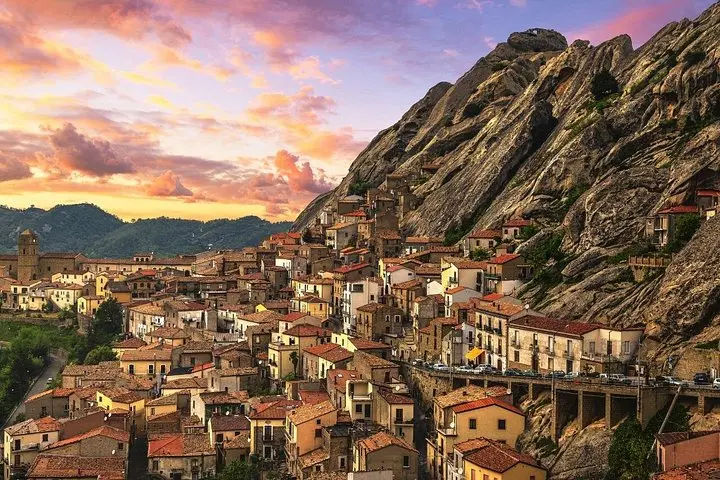
This route threads two medieval villages carved into the Lucan Dolomites—rugged, folded limestone spires formed by ancient seabeds uplifted and eroded into dramatic fins. Castelmezzano and Pietrapertosa share a slow-history of Norman-Swabian fortifications, pastoral life, and mountain folklore; the Seven Stones Path amplifies that local narrative with seven themed stops—soundscapes, installations and legends of witches, flight, and fate.
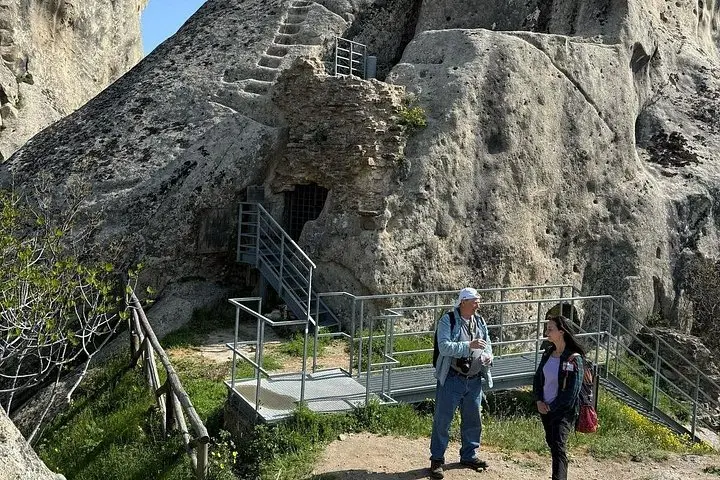
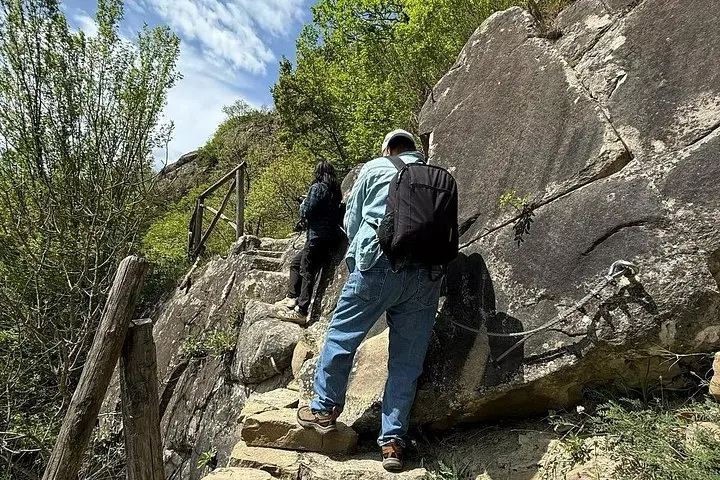
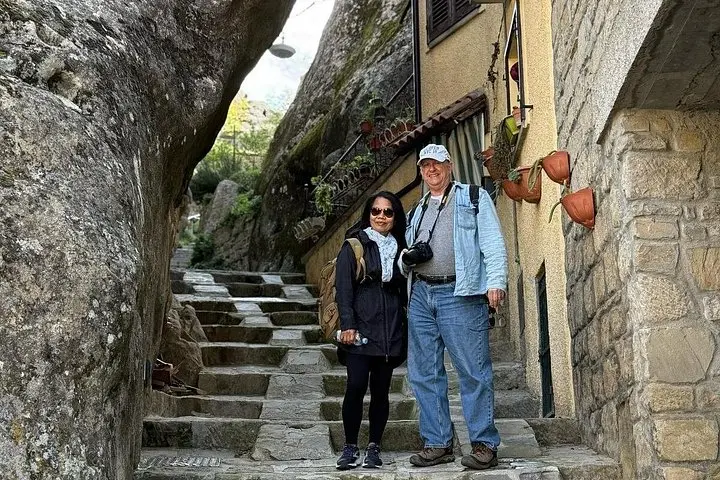
Expect mixed terrain: paved alleys, stony switchbacks, short steep climbs and valley tracks. Wildlife peers from crags—raptors wheel above while wild boar frequent lower scrub. Cultural payoff arrives in Pietrapertosa’s labyrinthine stone core and the Norman castle’s viewpoint.
Practically: this is a moderate full-day trek (around 6 hours on guided itineraries) with ~6 km total hiking and cumulative elevation changes of a few hundred meters between villages and the valley. Wear supportive trekking shoes, carry 2–3 liters of water, sun protection and a packed lunch; the guide handles route-finding and local context. Weather shifts fast—layers help. The route is best visited in spring or fall for comfortable temperatures; summer afternoons can be hot and winter may bring ice on exposed sections.
The Seven Stones Path balances sensory storytelling and raw mountain terrain—an accessible but active day that rewards steady feet with sweeping Dolomite views and living local history.
Guided itineraries rate it moderate: expect uneven ground, short steep climbs and roughly 4–6 hours on trail with cumulative elevation change of a few hundred meters.
A qualified AIGAE environmental hiking guide and route guidance are included; food, transport and castle admissions are typically not included unless specified.
Older children who are used to hikes can manage sections; expect to carry young children over technical bits—discuss specifics with the operator beforehand.
Rain can make rocky and valley sections slippery; summer brings heat and winter may introduce frost or ice—dress in layers and check forecasts.
Martulli Viaggi operates guided outdoor trips and adventures with an emphasis on safety, stewardship, and memorable experiences.
A morning light slants across sheer limestone ribs as you step off the village lane in Castelmezzano, heading down toward the Caperrino Stream. The trail narrows, rock faces lean in like curious neighbors, and the wind through the gorge seems to urge you forward.
A morning light slants across sheer limestone ribs as you step off the village lane in Castelmezzano, heading down toward the Caperrino Stream. The trail narrows, rock faces lean in like curious neighbors, and the wind through the gorge seems to urge you forward.
This route threads two medieval villages carved into the Lucan Dolomites—rugged, folded limestone spires formed by ancient seabeds uplifted and eroded into dramatic fins. Castelmezzano and Pietrapertosa share a slow-history of Norman-Swabian fortifications, pastoral life, and mountain folklore; the Seven Stones Path amplifies that local narrative with seven themed stops—soundscapes, installations and legends of witches, flight, and fate.
Expect mixed terrain: paved alleys, stony switchbacks, short steep climbs and valley tracks. Wildlife peers from crags—raptors wheel above while wild boar frequent lower scrub. Cultural payoff arrives in Pietrapertosa’s labyrinthine stone core and the Norman castle’s viewpoint.
Practically: this is a moderate full-day trek (around 6 hours on guided itineraries) with ~6 km total hiking and cumulative elevation changes of a few hundred meters between villages and the valley. Wear supportive trekking shoes, carry 2–3 liters of water, sun protection and a packed lunch; the guide handles route-finding and local context. Weather shifts fast—layers help. The route is best visited in spring or fall for comfortable temperatures; summer afternoons can be hot and winter may bring ice on exposed sections.
The Seven Stones Path balances sensory storytelling and raw mountain terrain—an accessible but active day that rewards steady feet with sweeping Dolomite views and living local history.