THE ADVENTURE COLLECTIVE® · Independent discovery and booking for outdoor travel

Cross the Strait of Gibraltar and spend two immersive days exploring Tangier’s bustling Kasbah and Chefchaouen’s blue alleys. This private Seville departure pairs ferry travel with historic medinas and mountain vistas.
Cross the Strait of Gibraltar and spend two immersive days exploring Tangier’s bustling Kasbah and Chefchaouen’s blue alleys. This private Seville departure pairs ferry travel with historic medinas and mountain vistas.
You step out in Seville before dawn and the van eases toward the Strait of Gibraltar; the sea ahead seems to pull at the bow, daring you to cross. On clear days the African coast sits like a low, distant promise, and the ferry's wake sketches a temporary line between two continents.
Verified experiences and guided adventures in the surrounding area.
Operated by Not Just a Tourist · Tangier, Tanger-Tetouan-Al Hoceima
You step out in Seville before dawn and the van eases toward the Strait of Gibraltar; the sea ahead seems to pull at the bow, daring you to cross. On clear days the African coast sits like a low, distant promise, and the ferry's wake sketches a temporary line between two continents.
This two-day private tour stitches Andalusian Spain to northern Morocco. Tangier’s layered history—Phoenician traders, Roman outposts, Moorish courts and a European international zone—shows in its hilltop Kasbah, winding medina lanes and coastal forts. Geologically the route follows the edge of the Rif Mountains where limestone cliffs drop to the Mediterranean and currents swap water between Atlantic and sea at Spartel Cape.
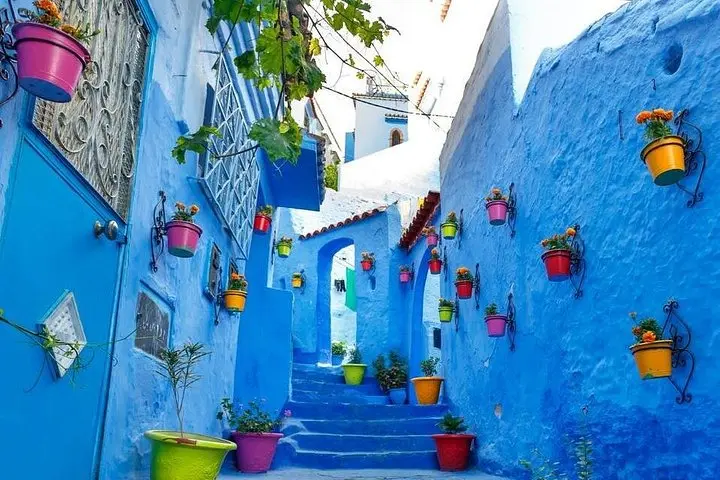
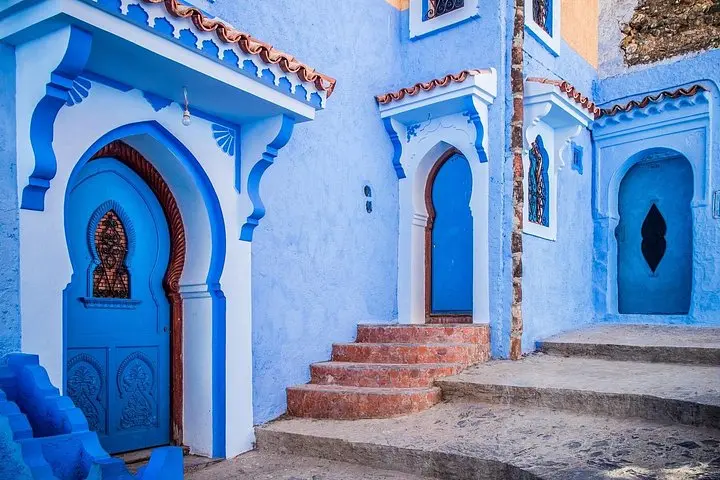
Chefchaouen, a long mountain drive inland, is defined by blue-washed facades and Ottoman-era alleys that mirror sky and light; its setting in the Rif gives the town a quieter, rural culture compared with Tangier’s port energy. Expect mint tea pauses, market stalls, and Kasbah museums that explain local crafts.
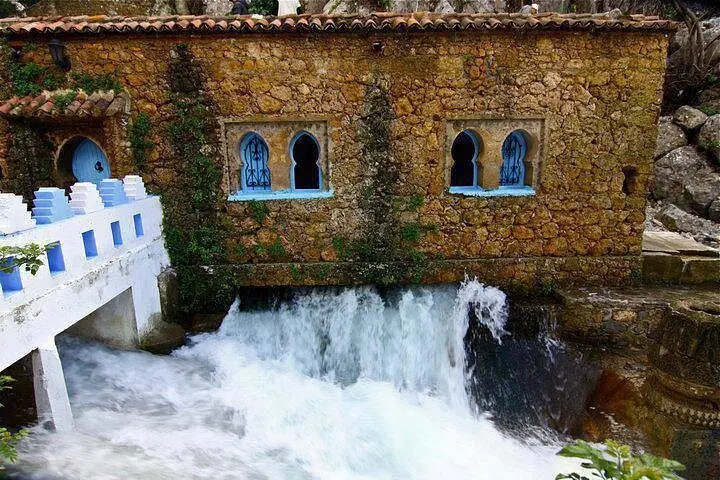
Practical guide: ferry schedules drive the itinerary—leave a full day free for timetable shifts. Bring your passport (and a photocopy), local currency for small purchases and optional extras (camel rides, lunch, accommodation supplement). Wear supportive walking shoes for cobbled streets and narrow steps; a light jacket for coastal breezes and a hat for inland sun. If you’re short on time, prioritize the Kasbah in Tangier and the Ras El Ma spring viewpoint in Chefchaouen. The trip combines easy walking with long transit hours—ideal for curious travelers who want a concentrated introduction to northern Morocco without overnight logistics on your own.
Visa requirements depend on your nationality—check official Moroccan embassy guidance well before travel and ensure your passport has at least six months validity.
Return ferry tickets are a local payment (not included) and must be paid in advance as specified by the tour operator.
Yes—operators often allow adjustments for pickup points, pace and specific stops; confirm changes when booking.
Standard price covers guided transport and activities; an optional Dar (boutique hotel) stay is available for an additional fee.
Not Just a Tourist operates guided outdoor trips and adventures with an emphasis on safety, stewardship, and memorable experiences.

You step out in Seville before dawn and the van eases toward the Strait of Gibraltar; the sea ahead seems to pull at the bow, daring you to cross. On clear days the African coast sits like a low, distant promise, and the ferry's wake sketches a temporary line between two continents.
You step out in Seville before dawn and the van eases toward the Strait of Gibraltar; the sea ahead seems to pull at the bow, daring you to cross. On clear days the African coast sits like a low, distant promise, and the ferry's wake sketches a temporary line between two continents.
This two-day private tour stitches Andalusian Spain to northern Morocco. Tangier’s layered history—Phoenician traders, Roman outposts, Moorish courts and a European international zone—shows in its hilltop Kasbah, winding medina lanes and coastal forts. Geologically the route follows the edge of the Rif Mountains where limestone cliffs drop to the Mediterranean and currents swap water between Atlantic and sea at Spartel Cape.
Chefchaouen, a long mountain drive inland, is defined by blue-washed facades and Ottoman-era alleys that mirror sky and light; its setting in the Rif gives the town a quieter, rural culture compared with Tangier’s port energy. Expect mint tea pauses, market stalls, and Kasbah museums that explain local crafts.
Practical guide: ferry schedules drive the itinerary—leave a full day free for timetable shifts. Bring your passport (and a photocopy), local currency for small purchases and optional extras (camel rides, lunch, accommodation supplement). Wear supportive walking shoes for cobbled streets and narrow steps; a light jacket for coastal breezes and a hat for inland sun. If you’re short on time, prioritize the Kasbah in Tangier and the Ras El Ma spring viewpoint in Chefchaouen. The trip combines easy walking with long transit hours—ideal for curious travelers who want a concentrated introduction to northern Morocco without overnight logistics on your own.