THE ADVENTURE COLLECTIVE® · Independent discovery and booking for outdoor travel

Explore Seville’s Jewish Quarter and the architectural drama of Plaza de España on a private three-hour walking tour. Walk cobbled lanes, learn layered histories, and pause at tiled benches where city life and spectacle meet.
Explore Seville’s Jewish Quarter and the architectural drama of Plaza de España on a private three-hour walking tour. Walk cobbled lanes, learn layered histories, and pause at tiled benches where city life and spectacle meet.
The morning sun slants across orange trees and the Guadalquivir seems to nudge the city awake as you step into Seville’s narrow lanes. Footsteps echo against whitewashed walls; laundry and ceramic tiles punctuate the rhythm. This private, three-hour walk threads the medieval Jewish quarter (Barrio Santa Cruz) and the broad, curved sweep of Plaza de España, moving from intimate alleys to a public stage of 20th-century architecture.
Verified experiences and guided adventures in the surrounding area.
Operated by Tour Travel & More · Seville, Andalusia
The morning sun slants across orange trees and the Guadalquivir seems to nudge the city awake as you step into Seville’s narrow lanes. Footsteps echo against whitewashed walls; laundry and ceramic tiles punctuate the rhythm. This private, three-hour walk threads the medieval Jewish quarter (Barrio Santa Cruz) and the broad, curved sweep of Plaza de España, moving from intimate alleys to a public stage of 20th-century architecture.
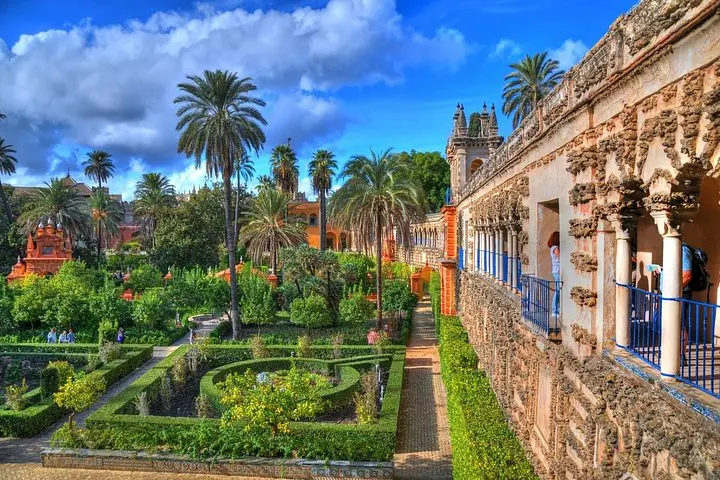
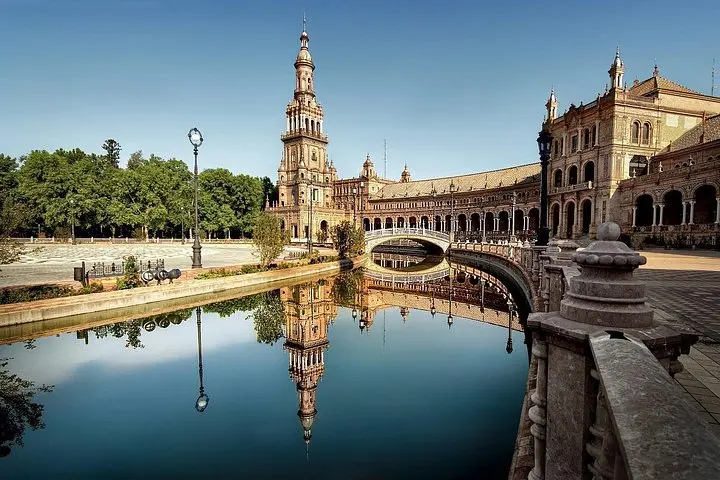
Barrio Santa Cruz occupies ground shaped by Roman layout and layered by Moorish and Christian eras—streets that once sheltered a thriving Jewish community until the 15th century. Plaza de España, by contrast, was built for the 1929 Ibero-American Exposition and showcases Spanish Renaissance revival style with tiled alcoves, canals and bridges that invite slower observation. Geologically, you're on the Guadalquivir’s alluvial plain—soft soils that made wide promenades and gardens possible and encouraged the city’s orange groves.
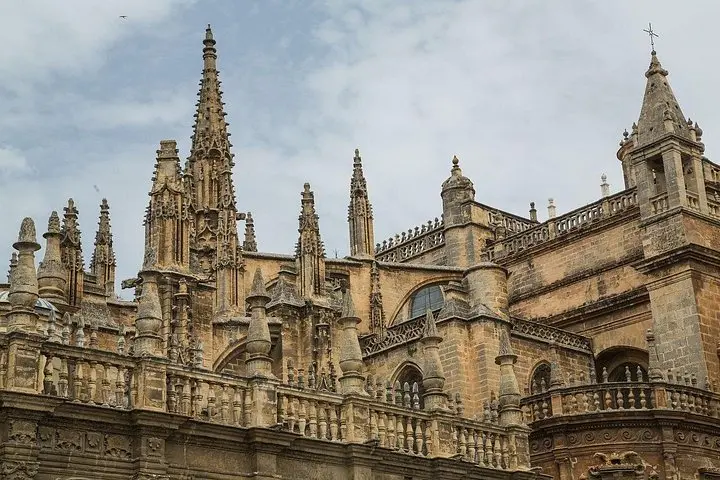
Culturally the tour balances sacred and civic: synagogues turned museums, the Casa de Pilatos’ Mudejar plasterwork, and the cathedral’s Giralda tower marking civic pride. Local guides translate names, dates and daily life into points you can feel underfoot.
Practical guidance: expect 3 hours of mostly flat walking on cobbles and paving; comfortable shoes and a sun hat matter more than summit fitness. The route is customizable and wheelchair-accessible in key areas, but uneven surfaces persist. Bring water, a light layer for late-afternoon breezes, and allow time to linger at tile benches in Plaza de España—those details reveal the city’s quiet histories.
Many parts of the route, including sections of Plaza de España, are wheelchair accessible, but some narrow streets and cobbles may be challenging—notify the operator when booking.
Yes, the private tour is customizable—participants can request more time at specific sites or a different start point within Seville.
Admission to monuments is not included by default; the guide will indicate which sites require separate tickets and can arrange visits on request.
Official local guides typically offer tours in Spanish and English; confirm available languages when booking to ensure your preference is met.
Tour Travel & More operates guided outdoor trips and adventures with an emphasis on safety, stewardship, and memorable experiences.
The morning sun slants across orange trees and the Guadalquivir seems to nudge the city awake as you step into Seville’s narrow lanes. Footsteps echo against whitewashed walls; laundry and ceramic tiles punctuate the rhythm. This private, three-hour walk threads the medieval Jewish quarter (Barrio Santa Cruz) and the broad, curved sweep of Plaza de España, moving from intimate alleys to a public stage of 20th-century architecture.
The morning sun slants across orange trees and the Guadalquivir seems to nudge the city awake as you step into Seville’s narrow lanes. Footsteps echo against whitewashed walls; laundry and ceramic tiles punctuate the rhythm. This private, three-hour walk threads the medieval Jewish quarter (Barrio Santa Cruz) and the broad, curved sweep of Plaza de España, moving from intimate alleys to a public stage of 20th-century architecture.
Barrio Santa Cruz occupies ground shaped by Roman layout and layered by Moorish and Christian eras—streets that once sheltered a thriving Jewish community until the 15th century. Plaza de España, by contrast, was built for the 1929 Ibero-American Exposition and showcases Spanish Renaissance revival style with tiled alcoves, canals and bridges that invite slower observation. Geologically, you're on the Guadalquivir’s alluvial plain—soft soils that made wide promenades and gardens possible and encouraged the city’s orange groves.
Culturally the tour balances sacred and civic: synagogues turned museums, the Casa de Pilatos’ Mudejar plasterwork, and the cathedral’s Giralda tower marking civic pride. Local guides translate names, dates and daily life into points you can feel underfoot.
Practical guidance: expect 3 hours of mostly flat walking on cobbles and paving; comfortable shoes and a sun hat matter more than summit fitness. The route is customizable and wheelchair-accessible in key areas, but uneven surfaces persist. Bring water, a light layer for late-afternoon breezes, and allow time to linger at tile benches in Plaza de España—those details reveal the city’s quiet histories.