THE ADVENTURE COLLECTIVE® · Independent discovery and booking for outdoor travel

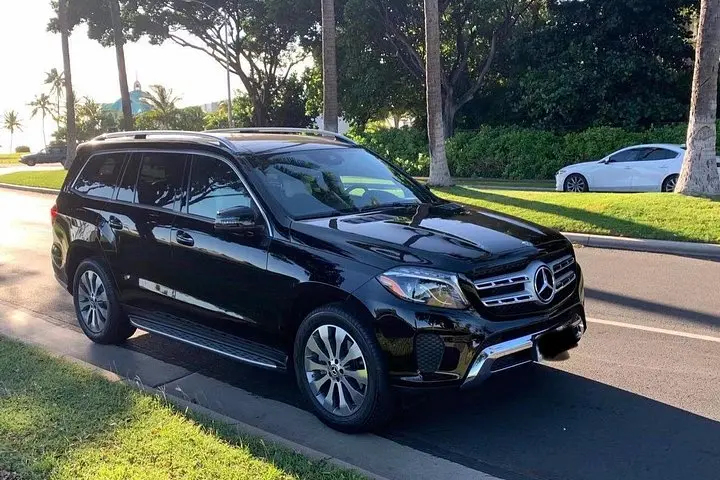
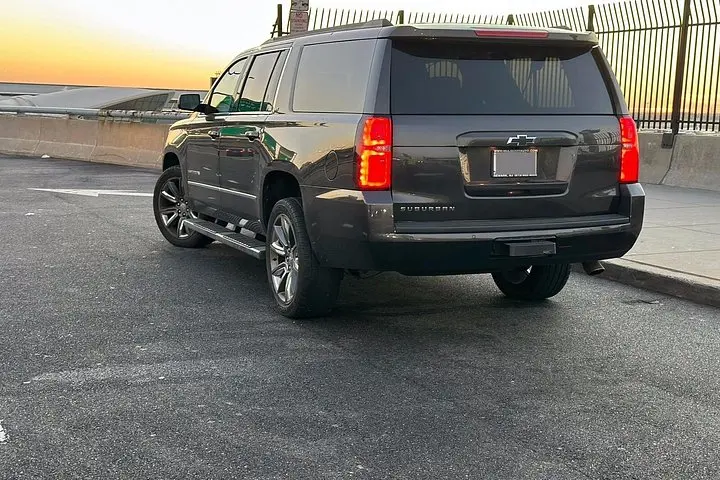
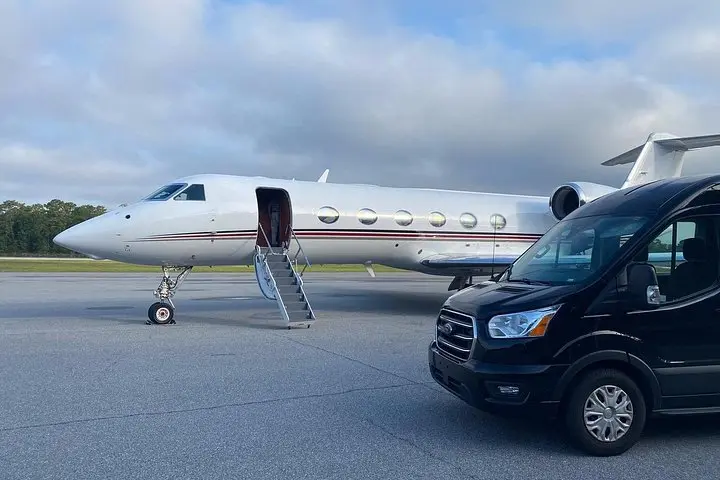
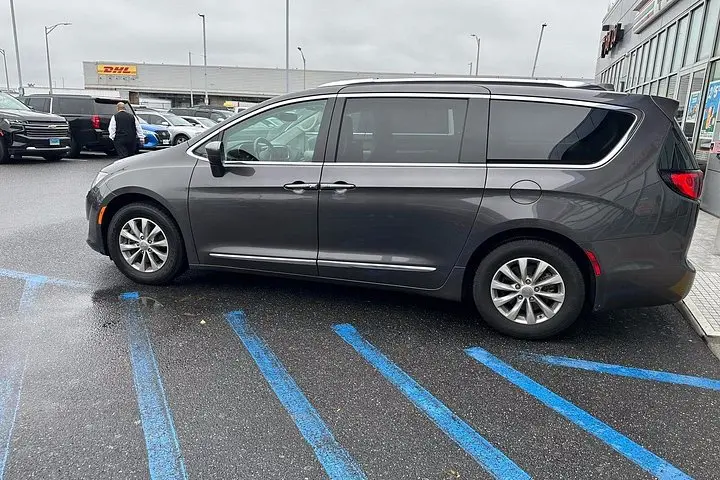
Skip taxi lines and shared shuttles: this private round-trip transfer from SFO delivers door-to-door service to San Francisco hotels with flight tracking and a driver holding a nameplate. Expect about 40 minutes each way and room for up to eight passengers.
Skip taxi lines and shared shuttles: this private round-trip transfer from SFO delivers door-to-door service to San Francisco hotels with flight tracking and a driver holding a nameplate. Expect about 40 minutes each way and room for up to eight passengers.
A low rumble of engines and the distant call of gulls mark the end of a flight into northern California. Step from the arrivals hall into an air-conditioned vehicle where a driver holding your name waits; the city’s hills and the Pacific’s gray line slip into view as you head north. The route from San Francisco International (SFO) typically follows US‑101 or I‑280, crossing flat airport marshes, skirting San Bruno Mountain’s green flank, then threading into the city’s grid toward downtown hotels and neighborhood addresses.
Verified experiences and guided adventures in the surrounding area.
Operated by taxiGo.online - Booking Transfer & Taxi · San Francisco, California
A low rumble of engines and the distant call of gulls mark the end of a flight into northern California. Step from the arrivals hall into an air-conditioned vehicle where a driver holding your name waits; the city’s hills and the Pacific’s gray line slip into view as you head north. The route from San Francisco International (SFO) typically follows US‑101 or I‑280, crossing flat airport marshes, skirting San Bruno Mountain’s green flank, then threading into the city’s grid toward downtown hotels and neighborhood addresses.
SFO began life as Mills Field in 1927 and grew alongside San Francisco’s maritime and tech eras—today it’s a busy international hub of runways, art, and aviation history. Geologically, the drive moves from reclaimed baylands toward the older bedrock of the Peninsula and the steep slopes of the city. Culturally, the short transfer is a first encounter with Bay Area contrasts: industrial airport strips give way to Victorian facades, murals, and café-lined avenues.
Practical guidance: a standard round-trip transfer accommodates up to eight passengers and runs about 40 minutes each way, depending on traffic. Vehicles are air-conditioned, licensed, and insured; drivers track flights and meet guests with a nameplate. Passengers should confirm pick-up/drop-off addresses and luggage counts in advance, request infant seats if needed, and factor in rush-hour congestion on weekday mornings and late afternoons. For a smooth arrival, have your phone charged, flight details ready, and allow extra time for traffic or weather delays. The service simplifies logistics—so you can move from runway to hotel without the queue, and get on with the trip.
The operator lists a fixed duration of about 40 minutes each way; actual travel time depends on traffic and chosen route (US‑101 or I‑280).
Drivers meet passengers at the arrivals area with a nameplate; terminals have designated curbside pickup zones—follow the operator’s instructions for exact meeting points.
Yes, the service tracks flights and adjusts pickup timing for delays; still notify the operator of significant changes when possible.
Service animals are permitted; for other pets confirm the operator’s policy in advance and note any extra space needed for carriers.
taxiGo.online - Booking Transfer & Taxi operates guided outdoor trips and adventures with an emphasis on safety, stewardship, and memorable experiences.
A low rumble of engines and the distant call of gulls mark the end of a flight into northern California. Step from the arrivals hall into an air-conditioned vehicle where a driver holding your name waits; the city’s hills and the Pacific’s gray line slip into view as you head north. The route from San Francisco International (SFO) typically follows US‑101 or I‑280, crossing flat airport marshes, skirting San Bruno Mountain’s green flank, then threading into the city’s grid toward downtown hotels and neighborhood addresses.
A low rumble of engines and the distant call of gulls mark the end of a flight into northern California. Step from the arrivals hall into an air-conditioned vehicle where a driver holding your name waits; the city’s hills and the Pacific’s gray line slip into view as you head north. The route from San Francisco International (SFO) typically follows US‑101 or I‑280, crossing flat airport marshes, skirting San Bruno Mountain’s green flank, then threading into the city’s grid toward downtown hotels and neighborhood addresses.
SFO began life as Mills Field in 1927 and grew alongside San Francisco’s maritime and tech eras—today it’s a busy international hub of runways, art, and aviation history. Geologically, the drive moves from reclaimed baylands toward the older bedrock of the Peninsula and the steep slopes of the city. Culturally, the short transfer is a first encounter with Bay Area contrasts: industrial airport strips give way to Victorian facades, murals, and café-lined avenues.
Practical guidance: a standard round-trip transfer accommodates up to eight passengers and runs about 40 minutes each way, depending on traffic. Vehicles are air-conditioned, licensed, and insured; drivers track flights and meet guests with a nameplate. Passengers should confirm pick-up/drop-off addresses and luggage counts in advance, request infant seats if needed, and factor in rush-hour congestion on weekday mornings and late afternoons. For a smooth arrival, have your phone charged, flight details ready, and allow extra time for traffic or weather delays. The service simplifies logistics—so you can move from runway to hotel without the queue, and get on with the trip.