THE ADVENTURE COLLECTIVE® · Independent discovery and booking for outdoor travel

Step behind Shanghai’s curtains for a four-hour, hands-on introduction to Kunqu and Peking Opera. Craft props, try on costumes, and learn performance techniques at a historic theater with an English-speaking guide.
Step behind Shanghai’s curtains for a four-hour, hands-on introduction to Kunqu and Peking Opera. Craft props, try on costumes, and learn performance techniques at a historic theater with an English-speaking guide.
The first step inside the theater is a small, deliberate one—wood floors creak like pages, red curtains hold their breath, and the city’s pulse outside softens to a distant hum.
Verified experiences and guided adventures in the surrounding area.
Operated by Hippo Tour Shanghai · Shanghai, Shanghai
The first step inside the theater is a small, deliberate one—wood floors creak like pages, red curtains hold their breath, and the city’s pulse outside softens to a distant hum.
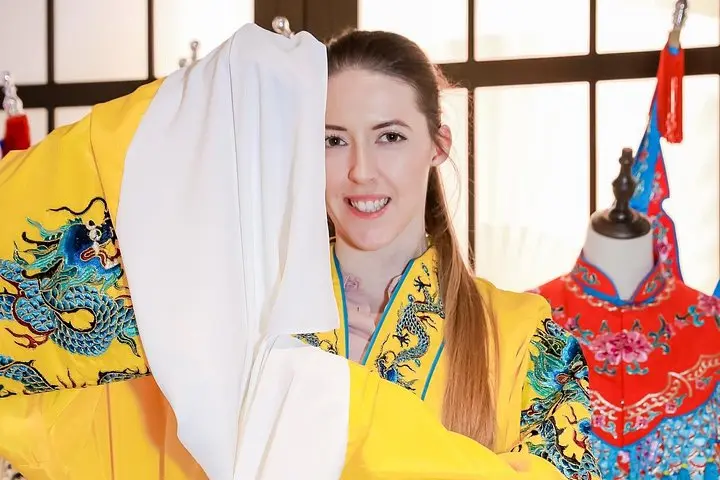
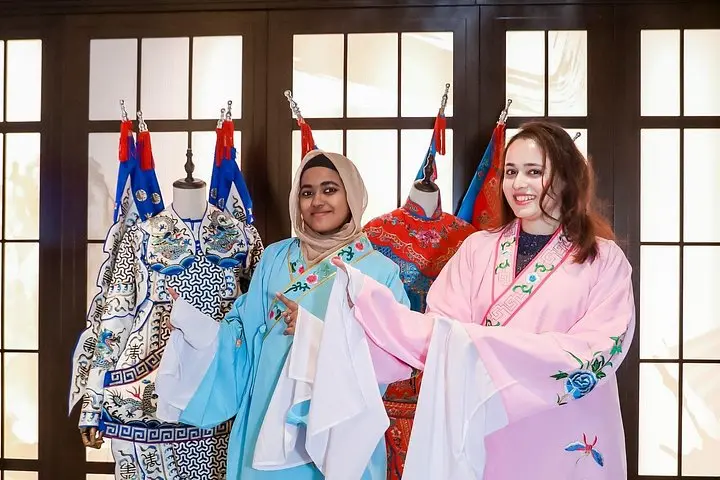
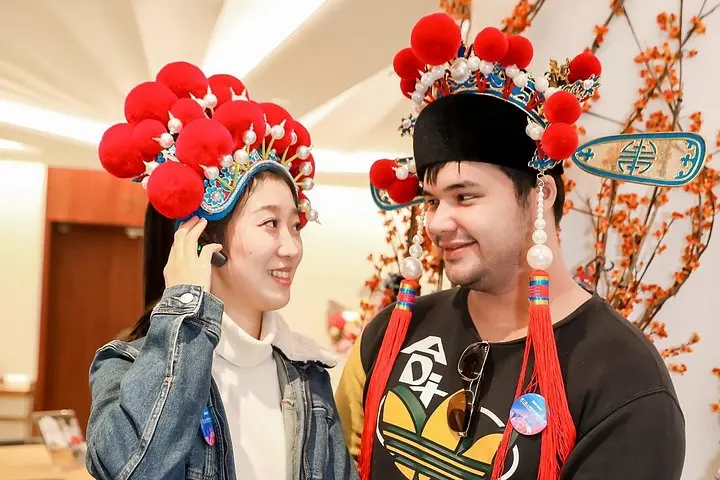
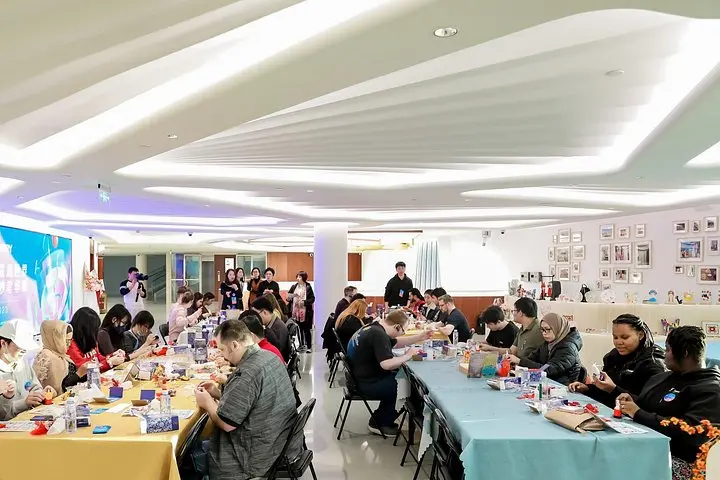
This four-hour experience places visitors in the workroom and on the stage of a mid-20th-century Shanghai theater that houses the Shanghai Peking Opera Company. Participants move from a concise lecture on Kunqu and Peking Opera—Kunqu being one of China’s oldest dramatic forms and a UNESCO-listed tradition—to hands-on stations where they craft miniature props and try on period costumes.
Shanghai itself sits on the Yangtze delta and the Huangpu River has long shaped its lines; the theater grew as the city modernized, absorbing regional styles and turning them into city-stage productions that reflected Shanghai’s social shifts through the 20th century.
Culturally the program emphasizes technique: how a painted face signals character, how a single sleeve gesture can imply a lifetime. Guides explain makeup iconography, musical accompaniment, and the roles of Sheng, Dan, Jing, and Chou while letting guests test slapstick timing and entrance pacing.
Practical notes: arrive with comfortable clothes for costume changes, allow time for downtown traffic if taking private transport, and expect accessible facilities. Cameras are welcome—check with staff for backstage restrictions. The workshop suits travelers curious about performance craft and cultural preservation rather than large-scale public productions. For those who want a tactile, behind-the-scenes view of Chinese theater, this tour delivers both context and moments to participate.
Yes—both the theater facilities and transportation options listed are wheelchair accessible; notify the operator in advance for any specific needs.
Yes—infants can sit on laps and children can join hands-on activities, though some stations may be more suitable for older kids.
Yes—the tour includes a professional English-speaking guide/translator throughout the workshop and theater tour.
Full refunds are available if you cancel at least 24 hours before the scheduled start time; later cancellations are non-refundable.
Hippo Tour Shanghai operates guided outdoor trips and adventures with an emphasis on safety, stewardship, and memorable experiences.
The first step inside the theater is a small, deliberate one—wood floors creak like pages, red curtains hold their breath, and the city’s pulse outside softens to a distant hum.
The first step inside the theater is a small, deliberate one—wood floors creak like pages, red curtains hold their breath, and the city’s pulse outside softens to a distant hum.
This four-hour experience places visitors in the workroom and on the stage of a mid-20th-century Shanghai theater that houses the Shanghai Peking Opera Company. Participants move from a concise lecture on Kunqu and Peking Opera—Kunqu being one of China’s oldest dramatic forms and a UNESCO-listed tradition—to hands-on stations where they craft miniature props and try on period costumes.
Shanghai itself sits on the Yangtze delta and the Huangpu River has long shaped its lines; the theater grew as the city modernized, absorbing regional styles and turning them into city-stage productions that reflected Shanghai’s social shifts through the 20th century.
Culturally the program emphasizes technique: how a painted face signals character, how a single sleeve gesture can imply a lifetime. Guides explain makeup iconography, musical accompaniment, and the roles of Sheng, Dan, Jing, and Chou while letting guests test slapstick timing and entrance pacing.
Practical notes: arrive with comfortable clothes for costume changes, allow time for downtown traffic if taking private transport, and expect accessible facilities. Cameras are welcome—check with staff for backstage restrictions. The workshop suits travelers curious about performance craft and cultural preservation rather than large-scale public productions. For those who want a tactile, behind-the-scenes view of Chinese theater, this tour delivers both context and moments to participate.