THE ADVENTURE COLLECTIVE® · Independent discovery and booking for outdoor travel

Start before the city hums and move through Shanghai’s morning markets, park rituals, and hands-on craft workshops. This five-hour immersion blends food, movement, and heritage for a grounded cultural morning.
Start before the city hums and move through Shanghai’s morning markets, park rituals, and hands-on craft workshops. This five-hour immersion blends food, movement, and heritage for a grounded cultural morning.
The sun rises slow over Shanghai’s lanes, and the morning market wakes like a conversation: vendors calling, carts rolling, steam rising from metal woks. Walk past crates of glistening seafood and aromatic stacks of buns, and you feel the city shifting from sleep to precision—this is local life lived in first light.
Verified experiences and guided adventures in the surrounding area.
Operated by ChinaAlleyHopper · Shanghai, Shanghai
The sun rises slow over Shanghai’s lanes, and the morning market wakes like a conversation: vendors calling, carts rolling, steam rising from metal woks. Walk past crates of glistening seafood and aromatic stacks of buns, and you feel the city shifting from sleep to precision—this is local life lived in first light.
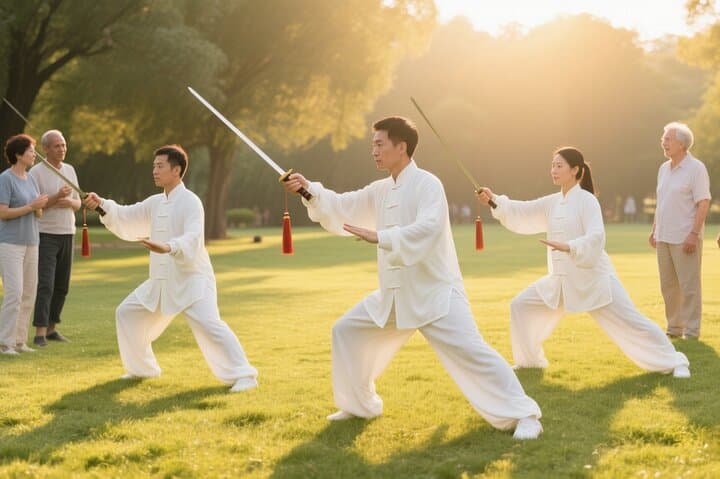
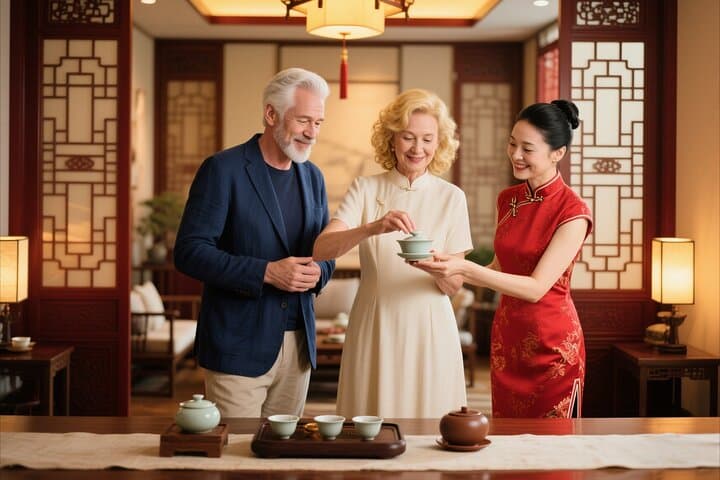
These wet markets are rooted in Shanghai’s history as a Yangtze Delta trading hub; the city’s alluvial plain and proximity to the Huangpu River shaped its food culture and abundance. In nearby community parks, elders move through tai chi forms that cut the air like slow brushstrokes—a social choreography that has bound neighborhoods for generations. The workshop portion ties into a longer craft lineage: mother-of-pearl inlay has regional roots, and the Song-dynasty tea ritual you’ll sample echoes centuries of scholarly taste and ritualized calm.
Expect a mix of sensory textures: slick fish scales, the clack of mahjong tiles near pagoda eaves, and the whisper of bamboo whisks in a tea bowl. Guides move you from stall to stall, translate prices and customs, then settle a small group at a bench for hands-on inlay work and a focused tea ceremony.
Practical notes: this is a walking and standing morning with about five hours of activity—bring comfortable shoes, small cash for snacks, and a lightweight bag for any crafts you keep. Mornings are coolest and least crowded; arrive early for the market’s peak energy. Respect signage and vendors’ space—ask before photographing produce or people. With a balance of curiosity and common sense, this excursion delivers both authentic routines and tangible cultural takeaways.
Yes—children are welcome; infants must sit on an adult’s lap during transportation and might need supervision during workshops.
The tour information lists wheelchair accessibility for transport and main workshop areas, but confirm pickup point accessibility when booking to ensure smooth transfer.
Traditional breakfast stalls often offer vegetarian items like scallion pancakes and steamed buns; notify the operator of dietary needs ahead of time for tailored choices.
Guides typically speak English and Mandarin; check the booking details for language availability and request a guide who matches your needs.
ChinaAlleyHopper operates guided outdoor trips and adventures with an emphasis on safety, stewardship, and memorable experiences.


The sun rises slow over Shanghai’s lanes, and the morning market wakes like a conversation: vendors calling, carts rolling, steam rising from metal woks. Walk past crates of glistening seafood and aromatic stacks of buns, and you feel the city shifting from sleep to precision—this is local life lived in first light.
The sun rises slow over Shanghai’s lanes, and the morning market wakes like a conversation: vendors calling, carts rolling, steam rising from metal woks. Walk past crates of glistening seafood and aromatic stacks of buns, and you feel the city shifting from sleep to precision—this is local life lived in first light.
These wet markets are rooted in Shanghai’s history as a Yangtze Delta trading hub; the city’s alluvial plain and proximity to the Huangpu River shaped its food culture and abundance. In nearby community parks, elders move through tai chi forms that cut the air like slow brushstrokes—a social choreography that has bound neighborhoods for generations. The workshop portion ties into a longer craft lineage: mother-of-pearl inlay has regional roots, and the Song-dynasty tea ritual you’ll sample echoes centuries of scholarly taste and ritualized calm.
Expect a mix of sensory textures: slick fish scales, the clack of mahjong tiles near pagoda eaves, and the whisper of bamboo whisks in a tea bowl. Guides move you from stall to stall, translate prices and customs, then settle a small group at a bench for hands-on inlay work and a focused tea ceremony.
Practical notes: this is a walking and standing morning with about five hours of activity—bring comfortable shoes, small cash for snacks, and a lightweight bag for any crafts you keep. Mornings are coolest and least crowded; arrive early for the market’s peak energy. Respect signage and vendors’ space—ask before photographing produce or people. With a balance of curiosity and common sense, this excursion delivers both authentic routines and tangible cultural takeaways.