THE ADVENTURE COLLECTIVE® · Independent discovery and booking for outdoor travel

Ride, ferry and walk through Shanghai’s layered cityscape in four hours—skyscrapers, a seaside temple, neighborhood snacks and a tea ceremony. Practical and compact, this tour mixes easy cycling with cultural stops for a clear-eyed snapshot of the city’s change and continuity.
Ride, ferry and walk through Shanghai’s layered cityscape in four hours—skyscrapers, a seaside temple, neighborhood snacks and a tea ceremony. Practical and compact, this tour mixes easy cycling with cultural stops for a clear-eyed snapshot of the city’s change and continuity.
You step off a commuter ferry with the river breeze pushing papers and umbrellas, then mount an urban shared bike where the glass towers of Lujiazui drain light into the Huangpu. Street vendors call out; the smell of frying batter and warm tea threads through narrow alleys. In four hours the city tightens and loosens around you — stacked modernity, a temple courtyard, and a neighborhood market that keeps memory in its storefronts.
Verified experiences and guided adventures in the surrounding area.
Operated by iTour Shanghai · Shanghai, Shanghai
You step off a commuter ferry with the river breeze pushing papers and umbrellas, then mount an urban shared bike where the glass towers of Lujiazui drain light into the Huangpu. Street vendors call out; the smell of frying batter and warm tea threads through narrow alleys. In four hours the city tightens and loosens around you — stacked modernity, a temple courtyard, and a neighborhood market that keeps memory in its storefronts.
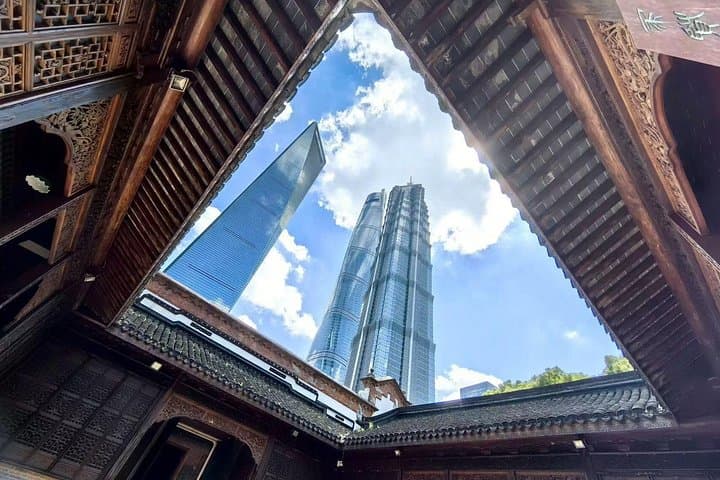
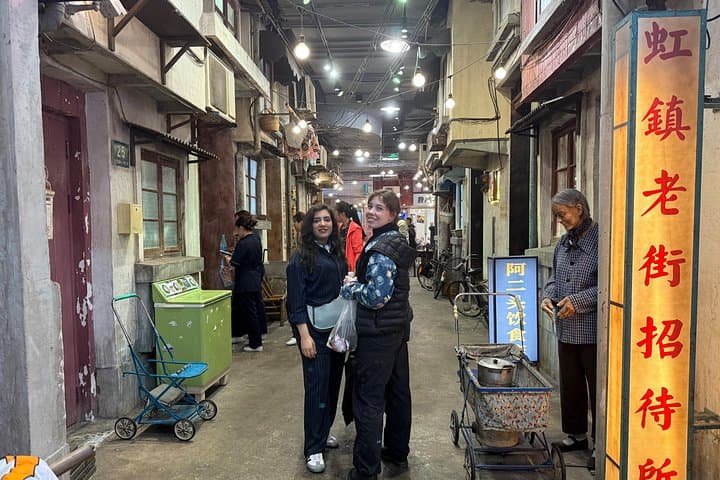
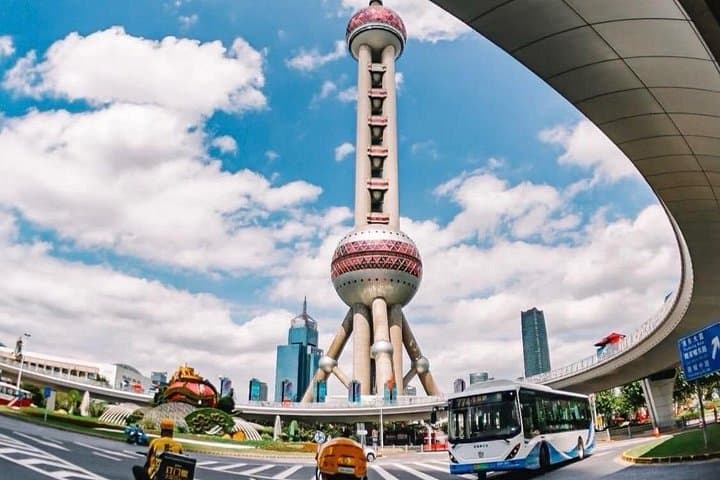
The route threads history and modern engineering: the Bund’s colonial-era facades face Pudong’s recent skyscrapers, evidence of Shanghai’s role as China’s trade hinge. Xiahai Temple preserves folk religiosity and roof-carved craftsmanship tied to Mazu worship, while City Mart and surrounding lanes recall late-20th‑century everyday life. Geologically, the broad Huangpu River shaped settlement and commerce; culturally, tea and snacks hold social rhythms that still set the city’s pace.
Expect mixed surfaces: paved riverfront promenades, busy bike lanes, short market alleys and a brief ferry crossing. The guide times stops for snacks, a tea ceremony, and a temple visit; light walking and easy bike segments dominate. Wear closed shoes, keep a refillable bottle, and be ready for traffic noise near main roads. Morning or late afternoon reduces heat and crowds; bring a hat in summer and a windproof layer by the river in cooler months.
Practical notes: the tour uses public transportation and shared bikes (consider mobility needs beforehand). Photography-friendly stops include river viewpoints and temple courtyards. With clear timing and local insight, this compact loop gives a tangible sense of Shanghai’s accelerating present and the pockets of tradition that persist beneath it.
Yes—urban shared bikes are basic and intended for casual riders; the guide keeps pace moderate and routes use bike lanes where possible.
Yes—the itinerary includes a commuter ferry ride as part of the experience and is timed into the four-hour schedule.
Advise the operator at booking; guides can often select alternatives at the market and tea stops but advance notice is recommended.
Not fully—ferry boarding and market alley surfaces may present obstacles; contact the operator before booking to discuss accessibility needs.
iTour Shanghai operates guided outdoor trips and adventures with an emphasis on safety, stewardship, and memorable experiences.

You step off a commuter ferry with the river breeze pushing papers and umbrellas, then mount an urban shared bike where the glass towers of Lujiazui drain light into the Huangpu. Street vendors call out; the smell of frying batter and warm tea threads through narrow alleys. In four hours the city tightens and loosens around you — stacked modernity, a temple courtyard, and a neighborhood market that keeps memory in its storefronts.
You step off a commuter ferry with the river breeze pushing papers and umbrellas, then mount an urban shared bike where the glass towers of Lujiazui drain light into the Huangpu. Street vendors call out; the smell of frying batter and warm tea threads through narrow alleys. In four hours the city tightens and loosens around you — stacked modernity, a temple courtyard, and a neighborhood market that keeps memory in its storefronts.
The route threads history and modern engineering: the Bund’s colonial-era facades face Pudong’s recent skyscrapers, evidence of Shanghai’s role as China’s trade hinge. Xiahai Temple preserves folk religiosity and roof-carved craftsmanship tied to Mazu worship, while City Mart and surrounding lanes recall late-20th‑century everyday life. Geologically, the broad Huangpu River shaped settlement and commerce; culturally, tea and snacks hold social rhythms that still set the city’s pace.
Expect mixed surfaces: paved riverfront promenades, busy bike lanes, short market alleys and a brief ferry crossing. The guide times stops for snacks, a tea ceremony, and a temple visit; light walking and easy bike segments dominate. Wear closed shoes, keep a refillable bottle, and be ready for traffic noise near main roads. Morning or late afternoon reduces heat and crowds; bring a hat in summer and a windproof layer by the river in cooler months.
Practical notes: the tour uses public transportation and shared bikes (consider mobility needs beforehand). Photography-friendly stops include river viewpoints and temple courtyards. With clear timing and local insight, this compact loop gives a tangible sense of Shanghai’s accelerating present and the pockets of tradition that persist beneath it.