THE ADVENTURE COLLECTIVE® · Independent discovery and booking for outdoor travel

Move through Shanghai with a private guide who doubles as a language companion—bridging colonial history, Ming gardens, and neon skylines in a tailored 3–6 hour city tour. Learn where to go, when to avoid crowds, and how to get the most from conversations and transit.
Move through Shanghai with a private guide who doubles as a language companion—bridging colonial history, Ming gardens, and neon skylines in a tailored 3–6 hour city tour. Learn where to go, when to avoid crowds, and how to get the most from conversations and transit.
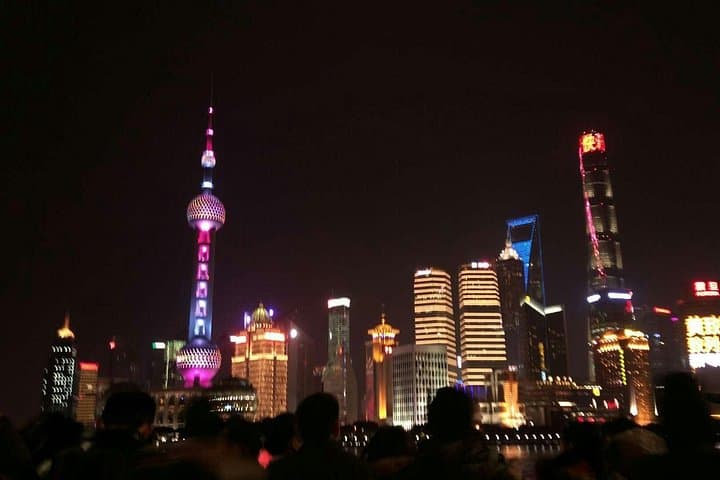
The Huangpu River pushes a cool breath across the waterfront as you step onto the Bund; glass towers and colonial façades trade stories while your guide translates the city's rhythm into a single, smart itinerary.
Verified experiences and guided adventures in the surrounding area.
Operated by Shanghai city walk travel in China private English tour guide in Shanghai · Shanghai, Shanghai
The Huangpu River pushes a cool breath across the waterfront as you step onto the Bund; glass towers and colonial façades trade stories while your guide translates the city's rhythm into a single, smart itinerary.
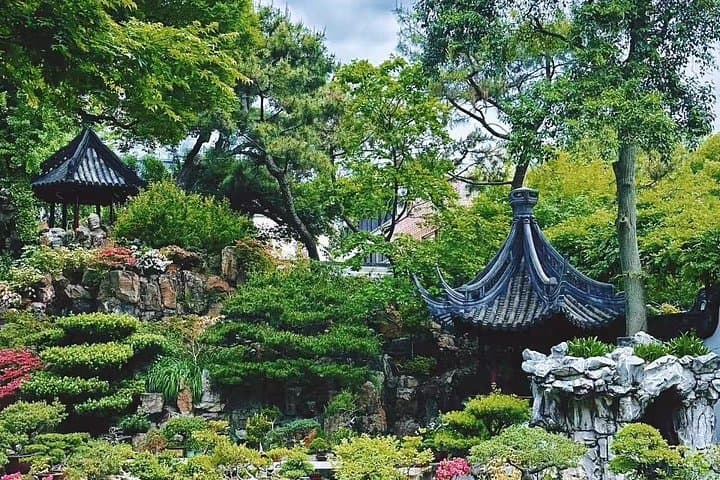
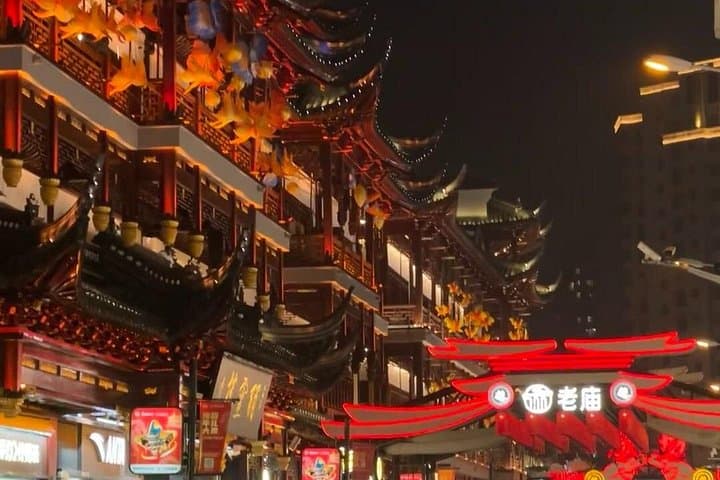
This private, language-focused walking tour threads Shanghai's modern skyline with the Old City's alleys. Expect stops at the Bund, where colonial banking houses recall the treaty-port era, a stroll down Nanjing Road with its layered commercial history, and a measured visit to Yuyuan Garden's Ming-era pavilions and the nearby City God Temple market. Geology here is flat river delta—muddy silt underfoot transformed into reclaimed land that allowed Shanghai's rapid expansion.
Culturally, the tour bridges local life and visitor perspective: your guide decodes food customs at a street-food stall, points out Shikumen lanes, and offers pronunciation cues to open conversations. The language companion role is practical: ordering, bargaining, reading transit signs, and easing museum interactions.
Practical guidance: tours run 3–6 hours and are walk-heavy with short public-transport segments; comfortable shoes and frequent water stops matter more than fitness. Mornings bring softer light and fewer crowds; late afternoon delivers neon energy but busier streets. Carry a transit card or small change for taxis and metro, and ask your guide to flag quieter routes if you prefer a gentler pace.
For first-time visitors, prioritize the Bund and Yuyuan Garden; for repeat travelers, request a neighborhoods-focused route—Longtang lanes, French Concession cafés, or an evening river-crossing to watch Shanghai glitter from Pudong.
The tour is walk-heavy and uses public transport; request a gentler route and notify the operator in advance so the guide can plan accessible options where possible.
Many street vendors accept cash only; carry small bills for markets and a transit card for the metro—cards and major establishments usually accept electronic payment.
Yes—this offering emphasizes language support and can assist with basic business introductions and phrase preparation; specify needs when booking.
Confirm language capabilities with the provider before booking; the service is positioned as a language companion and typically supports English and Mandarin, but check for other languages.
Shanghai city walk travel in China private English tour guide in Shanghai operates guided outdoor trips and adventures with an emphasis on safety, stewardship, and memorable experiences.
The Huangpu River pushes a cool breath across the waterfront as you step onto the Bund; glass towers and colonial façades trade stories while your guide translates the city's rhythm into a single, smart itinerary.
The Huangpu River pushes a cool breath across the waterfront as you step onto the Bund; glass towers and colonial façades trade stories while your guide translates the city's rhythm into a single, smart itinerary.
This private, language-focused walking tour threads Shanghai's modern skyline with the Old City's alleys. Expect stops at the Bund, where colonial banking houses recall the treaty-port era, a stroll down Nanjing Road with its layered commercial history, and a measured visit to Yuyuan Garden's Ming-era pavilions and the nearby City God Temple market. Geology here is flat river delta—muddy silt underfoot transformed into reclaimed land that allowed Shanghai's rapid expansion.
Culturally, the tour bridges local life and visitor perspective: your guide decodes food customs at a street-food stall, points out Shikumen lanes, and offers pronunciation cues to open conversations. The language companion role is practical: ordering, bargaining, reading transit signs, and easing museum interactions.
Practical guidance: tours run 3–6 hours and are walk-heavy with short public-transport segments; comfortable shoes and frequent water stops matter more than fitness. Mornings bring softer light and fewer crowds; late afternoon delivers neon energy but busier streets. Carry a transit card or small change for taxis and metro, and ask your guide to flag quieter routes if you prefer a gentler pace.
For first-time visitors, prioritize the Bund and Yuyuan Garden; for repeat travelers, request a neighborhoods-focused route—Longtang lanes, French Concession cafés, or an evening river-crossing to watch Shanghai glitter from Pudong.