THE ADVENTURE COLLECTIVE® · Independent discovery and booking for outdoor travel

Spend a full day tracing Shanghai’s layers — Shikumen neighborhoods and Jing’an Temple, the China Art Museum’s Expo-born galleries, and a sky-high view from Shanghai Tower. This private 7–8 hour tour blends history, contemporary art, and panoramic urban views with local food guidance.
Spend a full day tracing Shanghai’s layers — Shikumen neighborhoods and Jing’an Temple, the China Art Museum’s Expo-born galleries, and a sky-high view from Shanghai Tower. This private 7–8 hour tour blends history, contemporary art, and panoramic urban views with local food guidance.
Morning light skims the Huangpu River and the glass face of Lujiazui rises like a modern cliff — the tour begins in the compact streets of the Former French Concession, draped in plane trees and low-slung Shikumen houses. A guide leads past cafes and narrow lanes, describing how merchants and diplomats rewrote this quarter a century ago while the city pushed ever skyward.
Verified experiences and guided adventures in the surrounding area.
Operated by MoreFunAsia · Shanghai, Shanghai
Morning light skims the Huangpu River and the glass face of Lujiazui rises like a modern cliff — the tour begins in the compact streets of the Former French Concession, draped in plane trees and low-slung Shikumen houses. A guide leads past cafes and narrow lanes, describing how merchants and diplomats rewrote this quarter a century ago while the city pushed ever skyward.
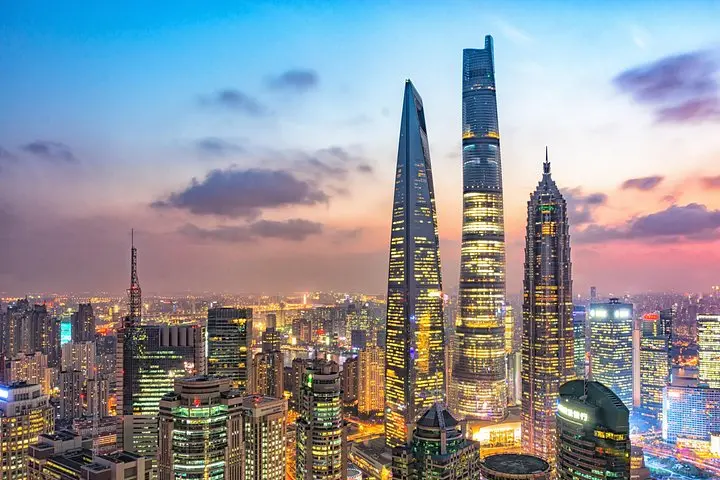
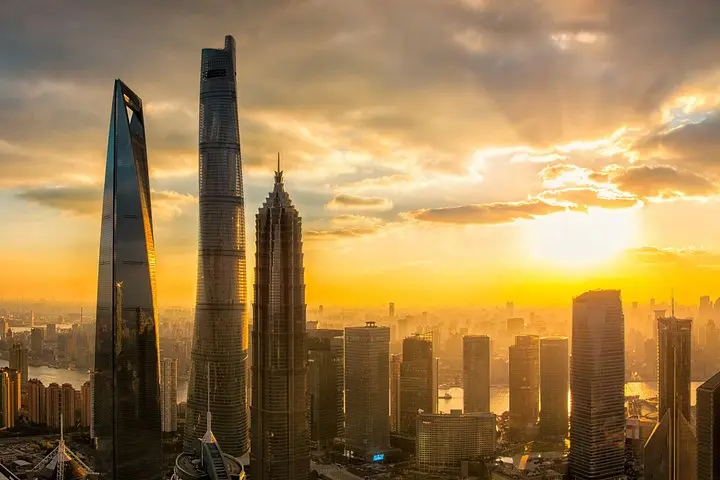
The day moves through layers of Shanghai history: a recreated 1920s Shikumen household that shows everyday urban life; Jing’an Temple’s Ming-era bell and refined Buddhist halls that hold centuries of devotion amid downtown commerce; the China Art Museum, converted from the Expo 2010 pavilion, where contemporary canvases and a multimedia Qingming Festival panorama stake a claim on national culture. The finale is vertical — the express elevator to the Shanghai Tower observation levels and Duoyun Books, a quiet garden-of-books perched above the city.
Geology here is coastal plain; the Huangpu’s mud and modern reclamation allowed a skyline that reads as recent boldness atop old river routes. Culturally, the route threads colonial-era urban planning, revolutionary literature in Duolun Road, and the Expo’s recent reinvention.
Practical notes: expect about 7–8 hours of mostly flat walking with intermittent museum stairs and elevators; comfortable shoes and weather-appropriate layers are essential. Bring a passport for some ticketed entries, carry cash for small snacks, and time your visit to the tower for clearer afternoon light. The guide can tailor food stops from local noodles to refined Shanghainese dining, making this a full-city primer for first-time visitors.
Yes — the itinerary notes wheelchair accessibility for most stops; confirm specific mobility needs when booking to ensure seamless transport and access.
Entrance to the listed attractions is included as indicated; your booking specifies which admissions are covered — verify for any temporary exhibitions or extra-cost sections.
Yes — guides will recommend or arrange food stops tailored to your preferences, from local snacks to sit-down Shanghainese meals.
This is a private guided tour, so language availability depends on the guide assigned; request your preferred language at booking.
MoreFunAsia operates guided outdoor trips and adventures with an emphasis on safety, stewardship, and memorable experiences.
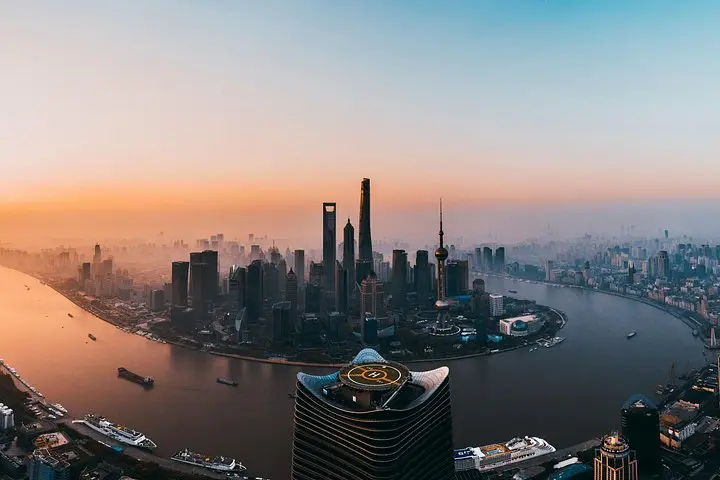
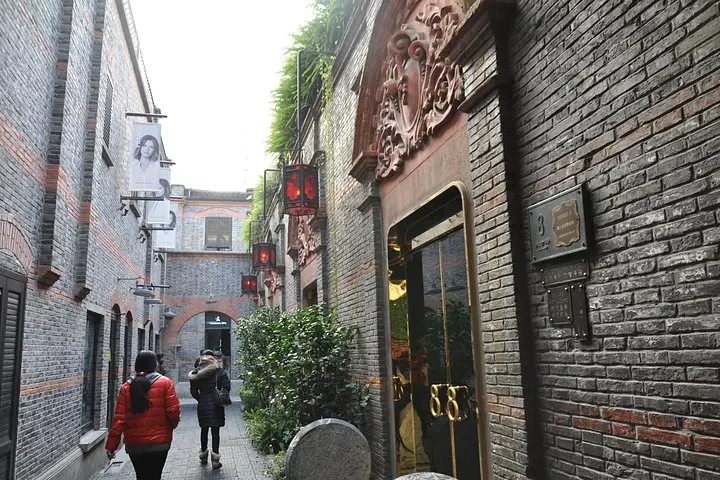
Morning light skims the Huangpu River and the glass face of Lujiazui rises like a modern cliff — the tour begins in the compact streets of the Former French Concession, draped in plane trees and low-slung Shikumen houses. A guide leads past cafes and narrow lanes, describing how merchants and diplomats rewrote this quarter a century ago while the city pushed ever skyward.
Morning light skims the Huangpu River and the glass face of Lujiazui rises like a modern cliff — the tour begins in the compact streets of the Former French Concession, draped in plane trees and low-slung Shikumen houses. A guide leads past cafes and narrow lanes, describing how merchants and diplomats rewrote this quarter a century ago while the city pushed ever skyward.
The day moves through layers of Shanghai history: a recreated 1920s Shikumen household that shows everyday urban life; Jing’an Temple’s Ming-era bell and refined Buddhist halls that hold centuries of devotion amid downtown commerce; the China Art Museum, converted from the Expo 2010 pavilion, where contemporary canvases and a multimedia Qingming Festival panorama stake a claim on national culture. The finale is vertical — the express elevator to the Shanghai Tower observation levels and Duoyun Books, a quiet garden-of-books perched above the city.
Geology here is coastal plain; the Huangpu’s mud and modern reclamation allowed a skyline that reads as recent boldness atop old river routes. Culturally, the route threads colonial-era urban planning, revolutionary literature in Duolun Road, and the Expo’s recent reinvention.
Practical notes: expect about 7–8 hours of mostly flat walking with intermittent museum stairs and elevators; comfortable shoes and weather-appropriate layers are essential. Bring a passport for some ticketed entries, carry cash for small snacks, and time your visit to the tower for clearer afternoon light. The guide can tailor food stops from local noodles to refined Shanghainese dining, making this a full-city primer for first-time visitors.