THE ADVENTURE COLLECTIVE® · Independent discovery and booking for outdoor travel

Two days across Henan place you between martial arts and stone-carved Buddhas. This private tour from Xiamen links Shaolin Temple’s living traditions with the monumental Longmen Grottoes, with private transport, guide and an overnight in Luoyang.
Two days across Henan place you between martial arts and stone-carved Buddhas. This private tour from Xiamen links Shaolin Temple’s living traditions with the monumental Longmen Grottoes, with private transport, guide and an overnight in Luoyang.
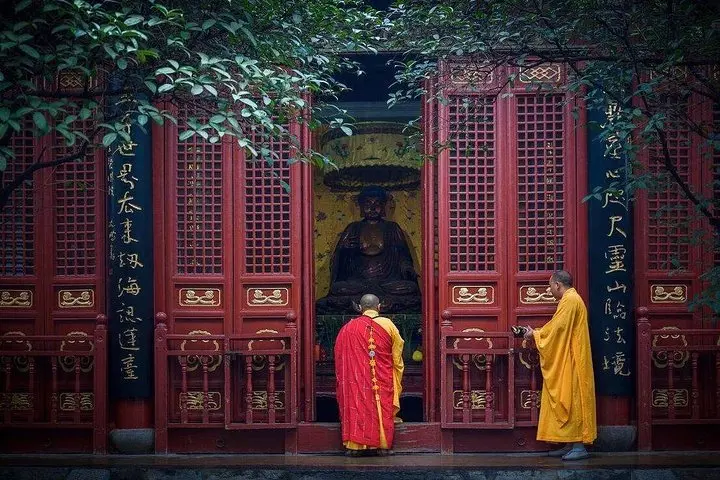
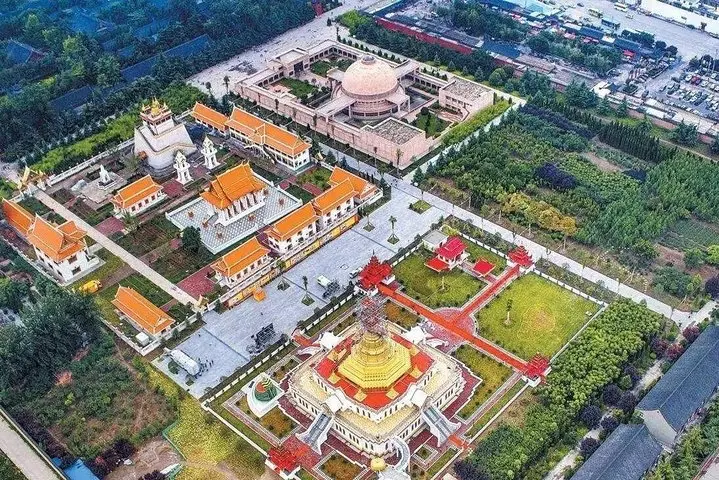
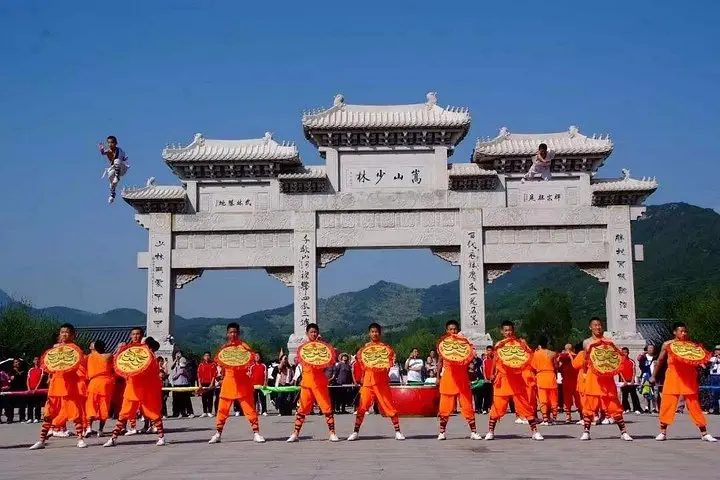
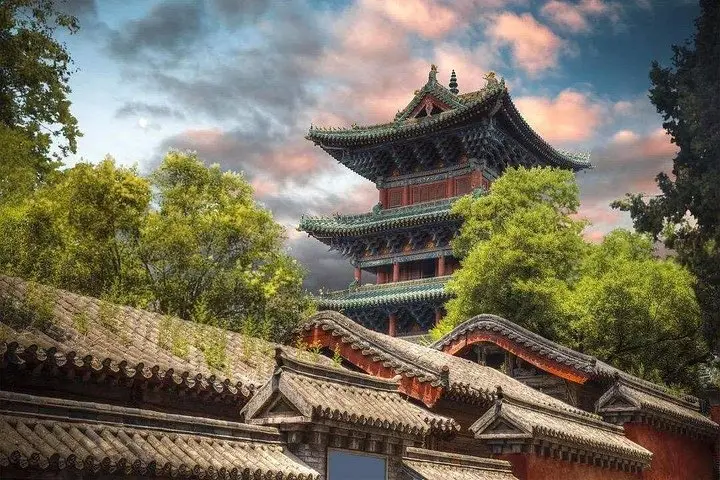
You step off the short flight into Henan and the air feels different — dryer, edged with limestone and the quiet discipline of centuries-old monasteries. The first day folds into the low hills outside Dengfeng where Shaolin Temple perches; monks move like the place expects purpose, and the pagoda forest rises behind them with stones that hold names and stories. On day two the Yi River narrows into a ribbon beside the Longmen cliffs, where thousands of Buddhas stare out of the rock, their faces worn by wind, river spray and human reverence.
Verified experiences and guided adventures in the surrounding area.
Operated by Unique Beijing Tours · Luoyang, Henan
You step off the short flight into Henan and the air feels different — dryer, edged with limestone and the quiet discipline of centuries-old monasteries. The first day folds into the low hills outside Dengfeng where Shaolin Temple perches; monks move like the place expects purpose, and the pagoda forest rises behind them with stones that hold names and stories. On day two the Yi River narrows into a ribbon beside the Longmen cliffs, where thousands of Buddhas stare out of the rock, their faces worn by wind, river spray and human reverence.
The region is a crossroads of history: Shaolin’s halls date to the northern dynasties (5th–6th centuries) and became the cradle of Chan Buddhism and Chinese martial traditions; Longmen’s grottoes, carved primarily during the Northern Wei and Tang dynasties, map artistic shifts across centuries. Geology is obvious here — steep limestone cliffs that were once seabed now host carved sanctuaries, while the surrounding plains carried grain and pilgrims to Luoyang, an ancient capital.
Practical guidance: plan two full days with a local guide, comfortable shoes for stone steps and uneven paths, and modest clothing for temple interiors. Expect several short drives (1–2 hours between sites), a boat ride at Longmen, and stair climbs to highest overlooks. Bring water, a power bank, and be ready to slow your pace — this is a tour of detail as much as distance. Morning light reveals carving textures; late afternoon softens the cliffs, and timing your visit for those windows gives the best photos and quieter crowds.
No — the itinerary is suitable for most visitors; you will walk on stairs and uneven surfaces but long hikes are not required.
Yes — the tour price includes economy plane tickets, all entrance fees listed, and transfers by private air-conditioned vehicle.
Yes — the tour offers options to finish in Luoyang or Zhengzhou or return to Xiamen; confirm your preferred drop-off when booking.
Photography rules vary by site and specific halls; flash and tripods are often prohibited to protect artwork, so follow local signage and guide instructions.
Unique Beijing Tours operates guided outdoor trips and adventures with an emphasis on safety, stewardship, and memorable experiences.
You step off the short flight into Henan and the air feels different — dryer, edged with limestone and the quiet discipline of centuries-old monasteries. The first day folds into the low hills outside Dengfeng where Shaolin Temple perches; monks move like the place expects purpose, and the pagoda forest rises behind them with stones that hold names and stories. On day two the Yi River narrows into a ribbon beside the Longmen cliffs, where thousands of Buddhas stare out of the rock, their faces worn by wind, river spray and human reverence.
You step off the short flight into Henan and the air feels different — dryer, edged with limestone and the quiet discipline of centuries-old monasteries. The first day folds into the low hills outside Dengfeng where Shaolin Temple perches; monks move like the place expects purpose, and the pagoda forest rises behind them with stones that hold names and stories. On day two the Yi River narrows into a ribbon beside the Longmen cliffs, where thousands of Buddhas stare out of the rock, their faces worn by wind, river spray and human reverence.
The region is a crossroads of history: Shaolin’s halls date to the northern dynasties (5th–6th centuries) and became the cradle of Chan Buddhism and Chinese martial traditions; Longmen’s grottoes, carved primarily during the Northern Wei and Tang dynasties, map artistic shifts across centuries. Geology is obvious here — steep limestone cliffs that were once seabed now host carved sanctuaries, while the surrounding plains carried grain and pilgrims to Luoyang, an ancient capital.
Practical guidance: plan two full days with a local guide, comfortable shoes for stone steps and uneven paths, and modest clothing for temple interiors. Expect several short drives (1–2 hours between sites), a boat ride at Longmen, and stair climbs to highest overlooks. Bring water, a power bank, and be ready to slow your pace — this is a tour of detail as much as distance. Morning light reveals carving textures; late afternoon softens the cliffs, and timing your visit for those windows gives the best photos and quieter crowds.