THE ADVENTURE COLLECTIVE® · Independent discovery and booking for outdoor travel

A comfortable, economical shared shuttle links Montezuma and Santa Teresa on the Nicoya Peninsula with the cool cloud forests of Monteverde. Expect a roughly five-hour transfer, possible ferry crossing, onboard Wi‑Fi, and scheduled rest stops.
A comfortable, economical shared shuttle links Montezuma and Santa Teresa on the Nicoya Peninsula with the cool cloud forests of Monteverde. Expect a roughly five-hour transfer, possible ferry crossing, onboard Wi‑Fi, and scheduled rest stops.
You slide into an air-conditioned minivan as the Pacific coast light fades, the driver greeting you in polished English and Spanish. Windows frame the last palms of the Nicoya Peninsula while the road angles inland toward the mist of Monteverde’s hills. Somewhere along the way the van may pause at a ferry dock; the Gulf of Nicoya’s tide and ferry horns remind you that Costa Rica is stitched from land and sea.
Verified experiences and guided adventures in the surrounding area.
Operated by Faro Travel Costa Rica · Santa Elena, Puntarenas
You slide into an air-conditioned minivan as the Pacific coast light fades, the driver greeting you in polished English and Spanish. Windows frame the last palms of the Nicoya Peninsula while the road angles inland toward the mist of Monteverde’s hills. Somewhere along the way the van may pause at a ferry dock; the Gulf of Nicoya’s tide and ferry horns remind you that Costa Rica is stitched from land and sea.
The journey ties together coastal surf towns—Montezuma and Santa Teresa, born of fishermen and later artists—with Monteverde’s highland settlers who in the mid-20th century established the cloud forest preserves. Geologically, you cross from volcanic, sedimentary coastal plains up into steep ridgelines where orographic lift tugs moisture from the air and creates the famous cloud forest. Culturally, drivers and small vendors at stops offer a quick window into local life—fresh fruit stands and coffee-grower signs are common.
Practically, expect roughly a five-hour transfer that can include a ferry crossing across the Nicoya Gulf. Shared shuttles are door-to-door in many hotel zones but may require a short taxi if your lodging sits off the main route. Vehicles are air-conditioned, equipped with onboard Wi‑Fi, and include a complimentary water bottle; there’s usually one 10-minute rest/snack stop. Drivers run to a strict pickup schedule (be ready 15 minutes early) and will wait a maximum of 10 minutes for late passengers. Morning runs typically operate with at least two passengers; afternoons often require four to run. For a stress-free trip, pack a light jacket, charge devices before departure, and keep small luggage accessible for the ferry transfer. This option is straightforward, economical, and one of the smoothest ways to move between Costa Rica’s coastlines and cloud forest highlands.
The published duration is approximately 5 hours, but travel time can vary with traffic, ferry schedules, and pickup routing.
Shuttle service aims for door-to-door within main hotel zones; hotels outside the main area may require a short taxi transfer to the shuttle pickup point.
Some routes cross the Gulf of Nicoya by ferry; if your shuttle route requires it, you may disembark and board a second vehicle after the ferry.
All sales are final—this service does not offer refunds for cancellations, and schedules may change due to weather or operational needs.
Faro Travel Costa Rica operates guided outdoor trips and adventures with an emphasis on safety, stewardship, and memorable experiences.
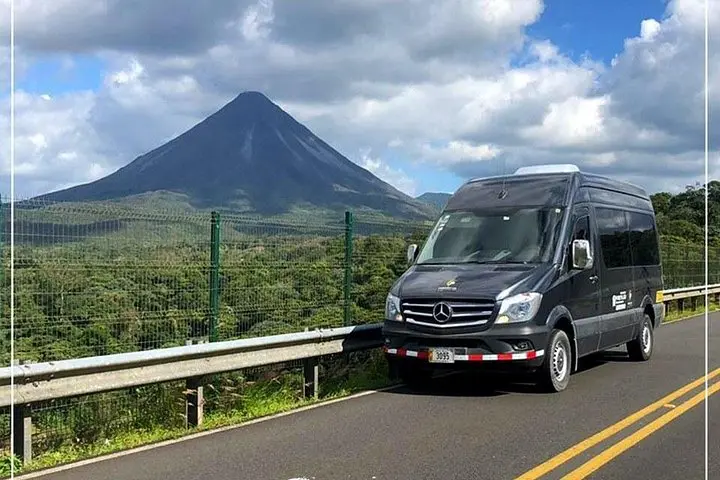
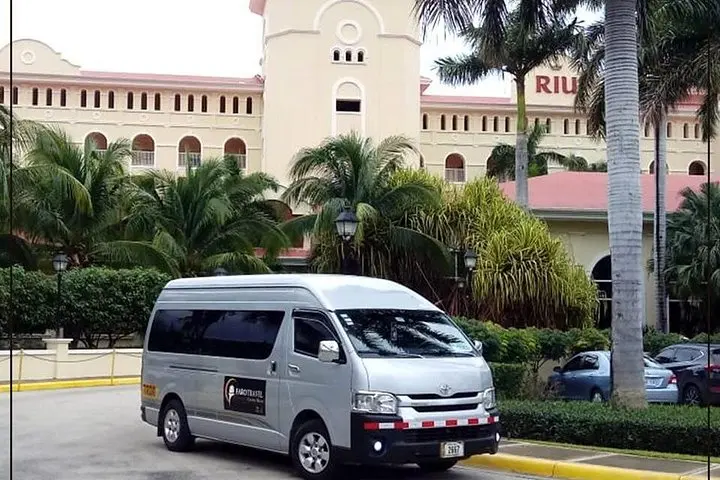
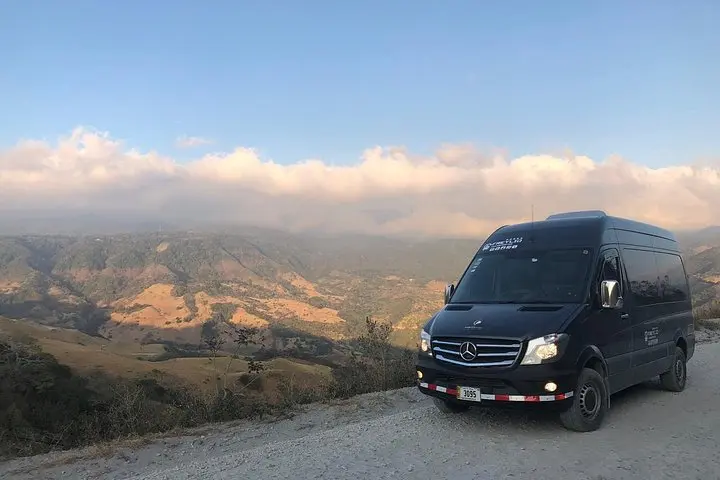
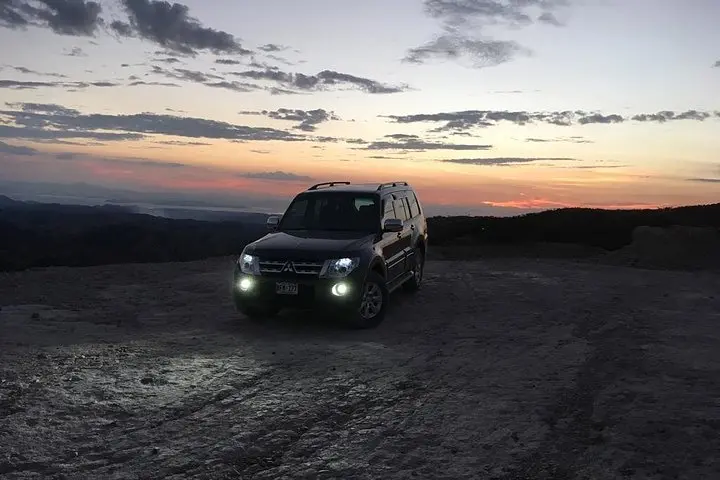
You slide into an air-conditioned minivan as the Pacific coast light fades, the driver greeting you in polished English and Spanish. Windows frame the last palms of the Nicoya Peninsula while the road angles inland toward the mist of Monteverde’s hills. Somewhere along the way the van may pause at a ferry dock; the Gulf of Nicoya’s tide and ferry horns remind you that Costa Rica is stitched from land and sea.
You slide into an air-conditioned minivan as the Pacific coast light fades, the driver greeting you in polished English and Spanish. Windows frame the last palms of the Nicoya Peninsula while the road angles inland toward the mist of Monteverde’s hills. Somewhere along the way the van may pause at a ferry dock; the Gulf of Nicoya’s tide and ferry horns remind you that Costa Rica is stitched from land and sea.
The journey ties together coastal surf towns—Montezuma and Santa Teresa, born of fishermen and later artists—with Monteverde’s highland settlers who in the mid-20th century established the cloud forest preserves. Geologically, you cross from volcanic, sedimentary coastal plains up into steep ridgelines where orographic lift tugs moisture from the air and creates the famous cloud forest. Culturally, drivers and small vendors at stops offer a quick window into local life—fresh fruit stands and coffee-grower signs are common.
Practically, expect roughly a five-hour transfer that can include a ferry crossing across the Nicoya Gulf. Shared shuttles are door-to-door in many hotel zones but may require a short taxi if your lodging sits off the main route. Vehicles are air-conditioned, equipped with onboard Wi‑Fi, and include a complimentary water bottle; there’s usually one 10-minute rest/snack stop. Drivers run to a strict pickup schedule (be ready 15 minutes early) and will wait a maximum of 10 minutes for late passengers. Morning runs typically operate with at least two passengers; afternoons often require four to run. For a stress-free trip, pack a light jacket, charge devices before departure, and keep small luggage accessible for the ferry transfer. This option is straightforward, economical, and one of the smoothest ways to move between Costa Rica’s coastlines and cloud forest highlands.